A rainy day of batik, shadow puppets and museums
When the afternoon storms roll in, learn to draw with hot wax, wander a museum of Javanese treasures, and watch leather puppets cast their shadows.

- Area
- Kraton & old city
- Start from
- Central Yogyakarta
- Distance
- walking distance around the northern square
- Time needed
- 1 day
- Best season
- Best in the wet season, November – March
- Difficulty
- Easy
- Transport
- On foot and short ride-hailing trips
- Tickets & rules
- Museum tickets; workshop fees for batik classes
Why go
In the rainy season Jogja runs on a simple rhythm: bright mornings, heavy clouds by early afternoon, and a downpour that turns the streets into rivers for an hour or two. It’s the perfect excuse for a day indoors, and the city has some of the best indoor culture in Indonesia.
Batik is the obvious place to start. Several studios in town offer short classes where you sit at a low stool with a canting, a small copper pen filled with hot wax, and trace a pattern onto cotton. It is harder than it looks: the wax drips, the line wobbles, and you quickly develop a deep respect for the women who spend weeks on a single hand-drawn cloth. You dye your piece, boil off the wax and take it home.
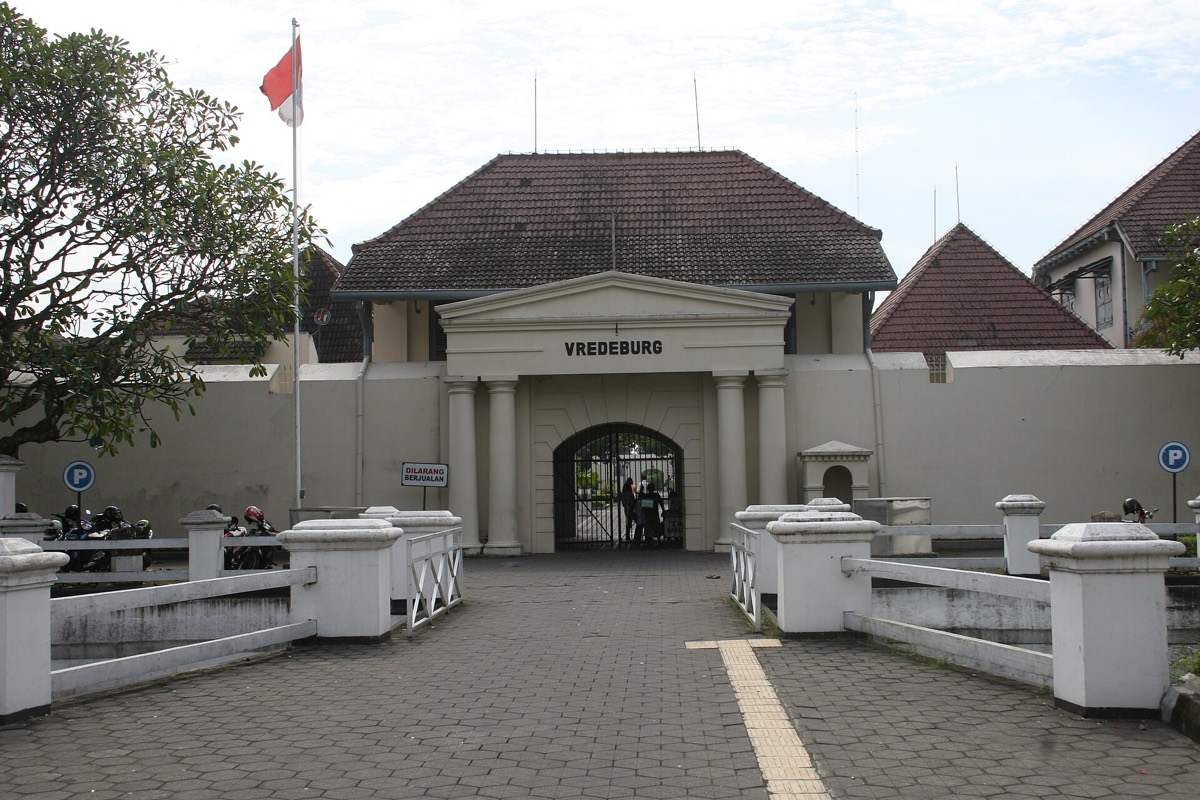
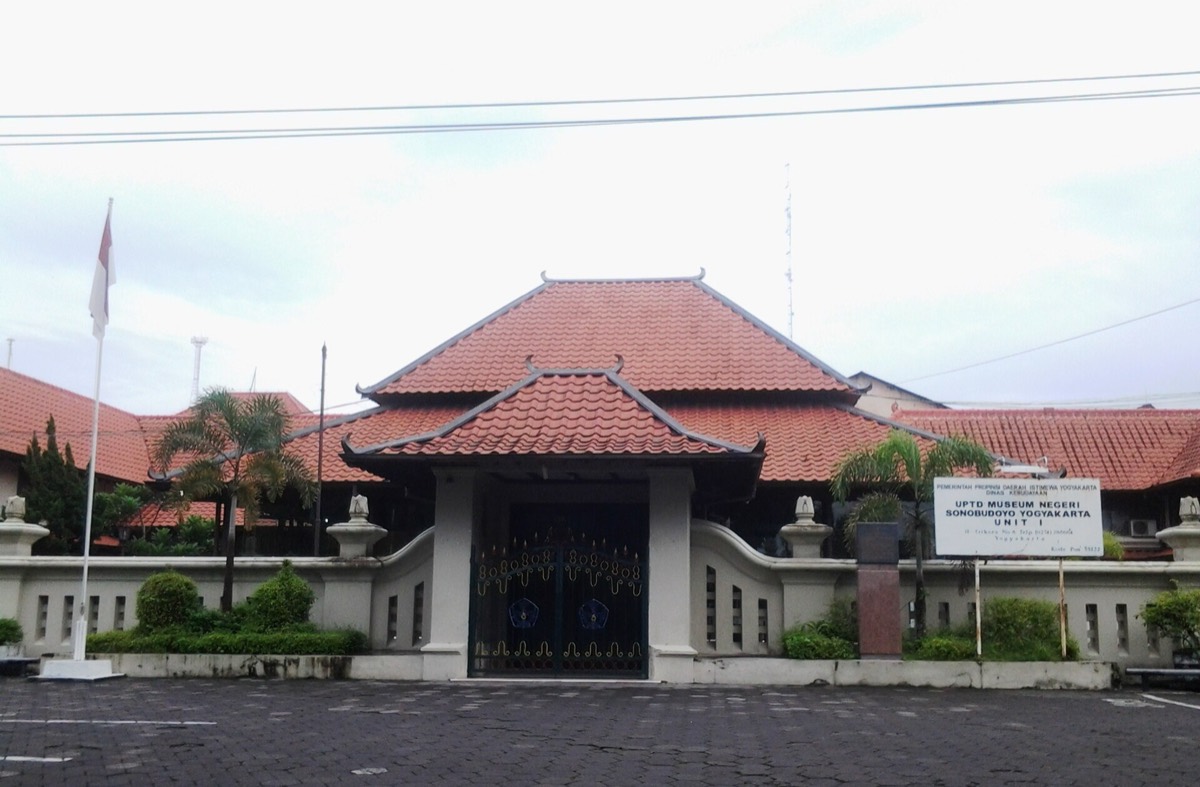
Then there are the museums. Sonobudoyo, on the northern square, holds a rich collection of Javanese and Balinese art: bronze Hindu-Buddhist statues, keris daggers, masks, gamelan instruments and hundreds of wayang puppets. Nearby Fort Vredeburg tells the story of the city through dioramas inside thick colonial walls. And in the evening, if you are lucky, there is a wayang performance.
The story
Batik is the art of resist dyeing: wax is applied to the parts of the cloth that should stay uncoloured, the cloth is dyed, and the process is repeated for each colour. In Central Java it reached extraordinary refinement in the royal courts. Yogyakarta batik is known for its strong contrasts of white, deep indigo and brown, while Solo batik tends towards softer, yellowish browns. In 2009 UNESCO inscribed Indonesian batik on its list of the intangible cultural heritage of humanity.
There is an important distinction to understand. Batik tulis is drawn entirely by hand with a canting and can take weeks or months. Batik cap is stamped with copper blocks, which is quicker. Much of what is sold cheaply as batik is actually printed fabric with a batik pattern, which is not batik at all. Hold a cloth up to the light: on real hand-drawn batik, the pattern goes through to the back.
Wayang kulit, shadow puppetry with flat, intricately punched leather figures, is one of the great storytelling traditions of Java. A single puppeteer, the dalang, voices all the characters, directs the gamelan with taps of a wooden mallet and can perform through the whole night. The stories mostly come from the Mahabharata and Ramayana, adapted over centuries into a Javanese world of clown-servants, wise kings and fierce giants. UNESCO recognised wayang as intangible heritage in 2003.
Fort Vredeburg itself has an interesting history. Built by the Dutch in the eighteenth century to keep an eye on the Kraton, it served as a garrison until the twentieth century and was later turned into a museum of the independence struggle. Walking along its walls, you can see straight across to the palace grounds.

Getting there
Sonobudoyo and Fort Vredeburg are both near the northern end of the Kraton, by the Titik Nol, within a few minutes’ walk of each other. Batik studios are scattered around town, including in the Taman Sari kampung and around Prawirotaman.
Ride-hailing cars are the most comfortable option in heavy rain, though they may take longer to arrive during a storm.
A suggested plan
- 9:00A two- or three-hour batik class in a small studio.
- 12:30Lunch near the Titik Nol.
- 13:30Sonobudoyo Museum, especially the wayang and keris rooms.
- 15:30Fort Vredeburg and its ramparts, if the rain allows.
- 19:00A wayang kulit or wayang golek performance, if one is scheduled; ask at Sonobudoyo or your guesthouse.
Where to stay
Any central base works. The Kraton quarter and Prawirotaman are close to most batik studios and both museums.
Good to know
- Full-night wayang performances are long; it’s normal to come for an hour or two and leave quietly.
- Batik classes vary from one-hour tasters to full-day courses; a half-day is a good compromise.
- Bring a light raincoat rather than an umbrella when walking; downpours often come with wind.
- The classic Jogja scam involves a friendly stranger who tells you about a ‘student batik exhibition’ ending today. You will be taken to a shop with high prices. Simply say no thanks.
- Flooded streets hide potholes and open drains; walk carefully after heavy rain.