Carcar’s old houses and the Simala shrine
A heritage town of Spanish-era houses, crunchy chicharon and a striking hilltop church, then a castle-like shrine where pilgrims queue for hours.

- Area
- Highlands & heritage
- Start from
- Cebu City
- Distance
- about 50 km south
- Time needed
- 1 day
- Best season
- All year; Simala is very busy at weekends
- Difficulty
- Easy
- Transport
- Bus or hired car
- Tickets & rules
- Simala has a strict dress code; long trousers or skirts and covered shoulders
Why go
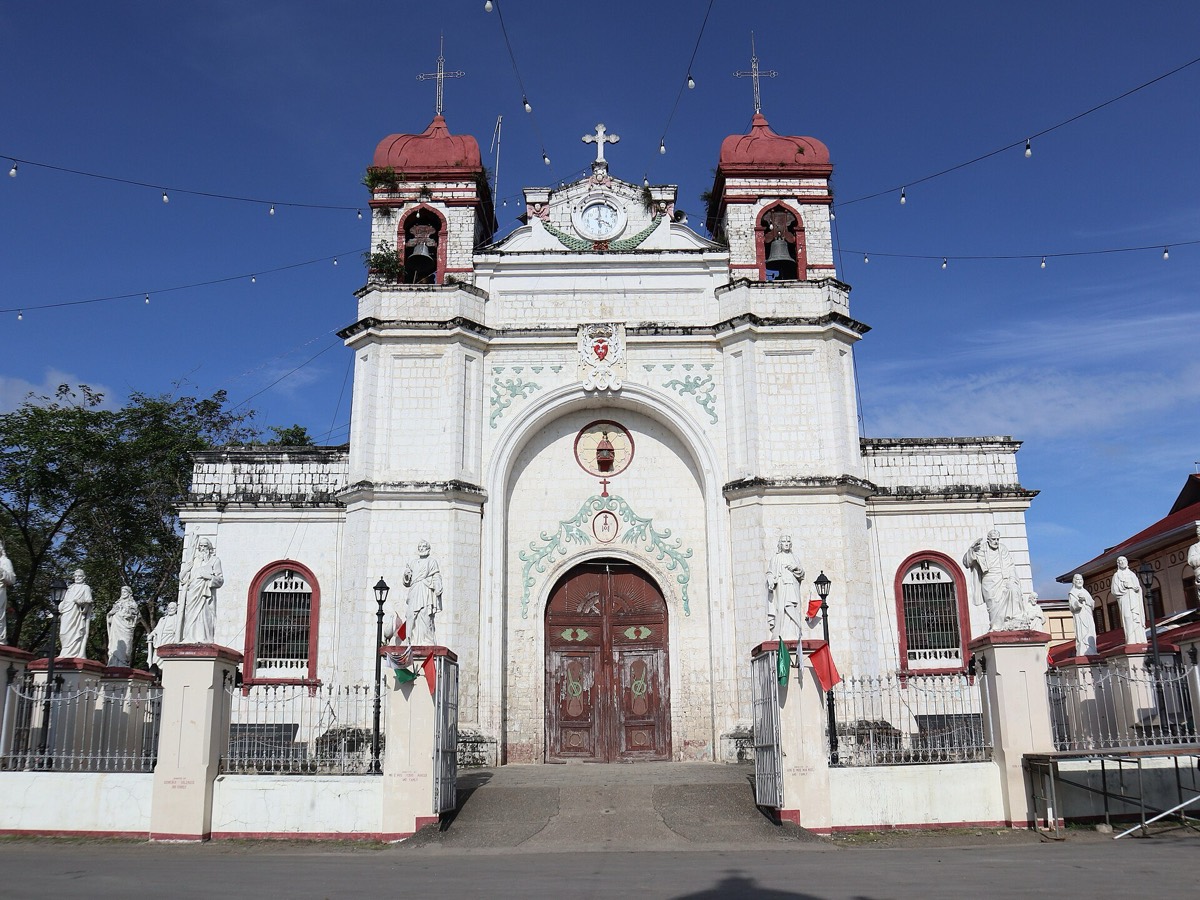
Carcar is one of my favourite places in Cebu for slow wandering: wide streets, old houses with wooden upper floors and capiz windows, a central plaza with a rotunda and the Church of Saint Catherine of Alexandria on a hill, looking over it all. It’s close enough to Cebu City for a day trip, but it feels like another century.
Carcar is famous for its chicharon, crunchy pork rind, sold in bags from shops along the main road, and for ampao, puffed rice cakes. There’s also a strong tradition of shoemaking, and small stalls sell sandals and leather goods.
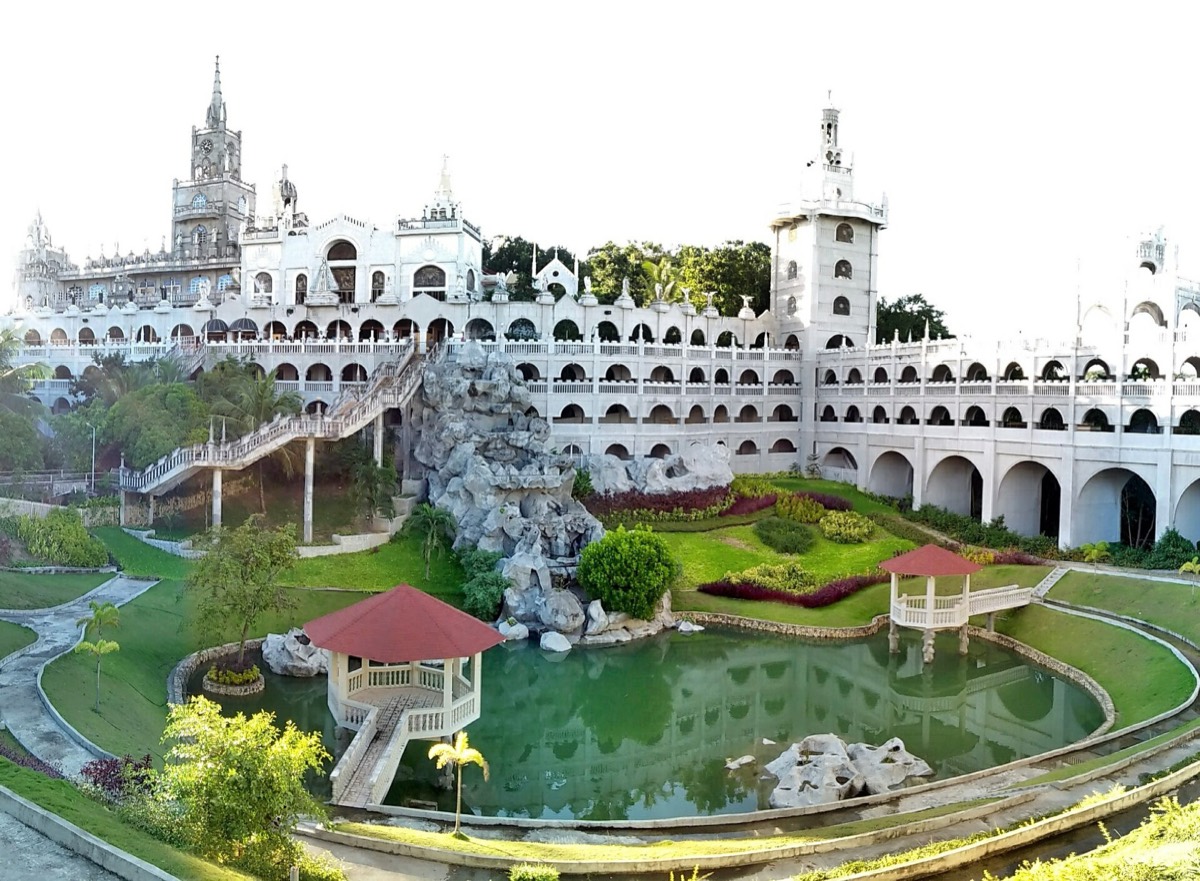
Further inland in Sibonga, the Simala shrine, officially the Monastery of the Holy Eucharist, looks like a fairy-tale castle on a hill. It’s one of Cebu’s most popular pilgrimage sites; people come to pray to an image of the Virgin Mary and leave letters of thanks for answered prayers, which line long corridors.
The story
Carcar was an important Spanish-era town, and many families grew rich from sugar and trade in the 19th century. Their houses, built of wood and stone, still line the streets, and the town has been officially recognised for its heritage. The Church of Saint Catherine of Alexandria was built in the late 19th century in an eclectic style with Moorish touches and onion-like domes.
The Carcar rotunda, at the heart of town, dates from the American period and is a landmark. Around it, the market and old shops keep the old rhythm of trade. Carcar chicharon is made by boiling and frying pork rind until it puffs up, and every family has its own recipe.
The Simala shrine was founded by the Marian Monks of Eucharistic Adoration, who moved to the area in the late 1990s. The current building, with turrets, towers and stone walls, was built in stages over the following years. Devotees believe the Virgin Mary’s image there has performed miracles, and visitors come from across the Philippines.
Inside Simala, the walls of glass cases are filled with crutches, graduation photos, medical certificates, toys and letters, all left by people who say their prayers were answered. It’s a moving place even for non-believers.

Getting there
Buses leave Cebu South Bus Terminal for Carcar regularly (about an hour, depending on traffic). From Carcar, jeepneys or buses go to Sibonga, and habal-habal or tricycles go up to Simala. A hired car makes it simpler.
Simala is about 30 minutes from Carcar by car.
A suggested plan
- 8:00Bus or drive to Carcar.
- 9:00Walk around the rotunda, the church and the old houses.
- 11:00Buy chicharon and ampao; lunch in town.
- 13:00Drive to Simala; walk around the castle and the corridors of letters.
- 16:00Return to Cebu City, or continue south.
Where to stay
Most people visit from Cebu City. If continuing south, stay in Argao, Dalaguete or Moalboal.
Good to know
- Simala enforces a strict dress code; bring long trousers or a skirt and a shirt with sleeves.
- Weekdays are much calmer at Simala.
- Carcar chicharon is best fresh; buy it on your last stop.
- Combine with Argao or Boljoon churches if you have a car.
- Simala gets very crowded on weekends and holidays; watch your bags.
- Don’t take photos during prayers or Mass.
- Traffic on the south highway can be heavy; leave early.