Argao, Dalaguete and Boljoon: coral-stone churches of the southeast coast
A quiet drive down the southeast coast past fortified churches of coral stone, watchtowers built against raiders and small towns facing the sea.

- Area
- Highlands & heritage
- Start from
- Cebu City
- Distance
- about 100 km south
- Time needed
- 1 day
- Best season
- All year
- Difficulty
- Easy
- Transport
- Bus or hired car down the east coast
- Tickets & rules
- Modest dress in churches; small museum fee in Boljoon
Why go
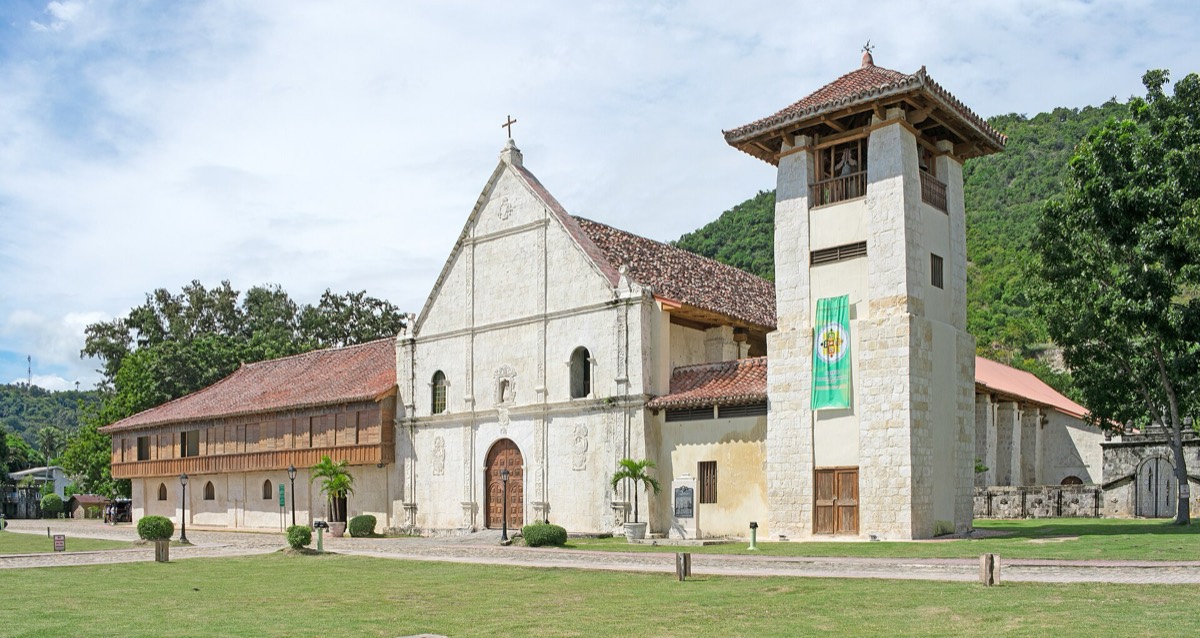
The east coast road south of Cebu City runs past a chain of old Spanish-era churches, built of cut coral stone, with thick walls, bell towers and watchtowers that once kept an eye on the sea. Argao, Dalaguete and Boljoon are my favourite stretch: each has a church, a plaza and a little old town around it.
Argao’s Church of Saint Michael the Archangel stands inside a walled compound with gates, almost like a fort, with a richly decorated interior. Dalaguete’s church has a carved facade and a painted ceiling, and the town has a breezy seafront.
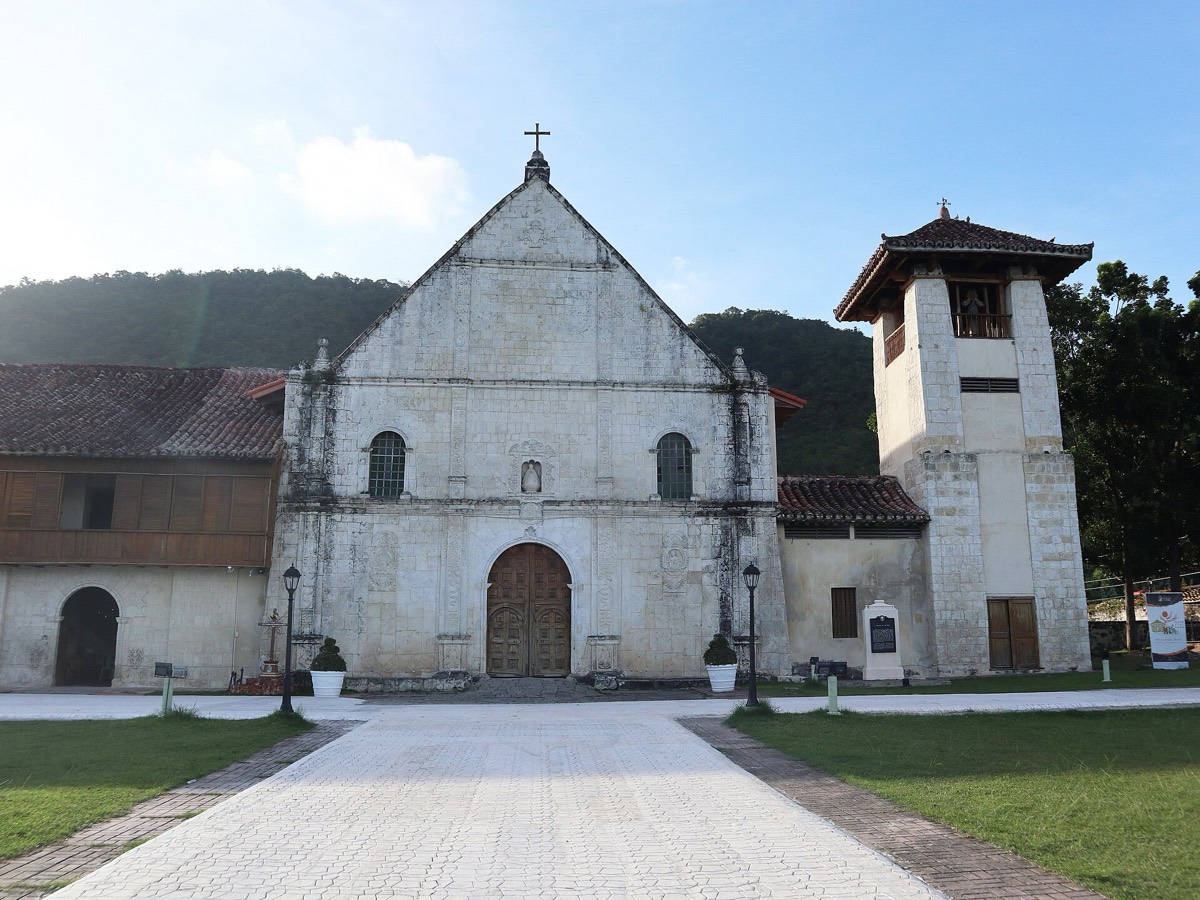
Boljoon is the jewel: its Church of Our Lady of Patronage sits right by the sea, with a stone watchtower, a museum in the old convent and a quiet, almost timeless feeling. If you love old buildings, this is one of the most beautiful drives in the Visayas.
The story
In the 18th and early 19th centuries, raiders from the south often attacked coastal towns in the Visayas, capturing people and goods. In response, towns built stone churches with thick walls and watchtowers, called bantayan, along the coast. The churches doubled as fortresses where people sheltered during raids.
Argao’s church was completed in the late 18th century, with a decorated interior and wall paintings. Its fortified compound, with gates and walls, is one of the best preserved in Cebu.
Boljoon’s church was built in the late 18th and early 19th centuries and is recognised as a National Cultural Treasure. Excavations in the churchyard found pre-Hispanic burials with pottery and gold, showing the site was settled long before the Spaniards came. The convent museum displays finds and church treasures.
Dalaguete’s Church of Saint William of Aquitaine was built in the early 19th century; its painted ceiling and carved altar are lovely. Like the others, it faces the sea with a watchtower nearby, a reminder of a time when every sail on the horizon was a possible threat.
The builders worked with what the sea gave them. Blocks of coral were cut from reefs, shaped and bound with lime mortar, which was often made by burning shells and, according to old accounts, mixed with egg whites or plant sap. Many of these walls have survived centuries of earthquakes and typhoons, though the 2013 Bohol earthquake cracked several churches in the region and led to careful restoration work.

Getting there
Buses from Cebu South Bus Terminal to Oslob stop in all three towns along the way. A hired car is easier for a day of stops; the drive to Boljoon takes about three hours.
Combine with Osmeña Peak or Oslob for a longer trip south.
A suggested plan
- 7:00Leave Cebu City heading south along the east coast.
- 9:00Argao: the walled church compound and plaza.
- 11:00Dalaguete: church, ceiling and seafront; lunch.
- 13:00Boljoon: church, watchtower and museum.
- 15:00Continue to Oslob or return north.
Where to stay
Argao and Dalaguete have simple resorts and guesthouses; Oslob has more options. Many people do this as a day trip from Cebu City or on the way to Oslob.
Good to know
- Dress modestly for church visits.
- Check museum opening times before you go.
- Argao is known for its torta, a sweet bread; try it.
- Ask locally about Masses so you don’t interrupt services.
- Highway traffic can be fast; be careful when crossing.
- Some churches close in the middle of the day.
- Respect worshippers and avoid flash photography inside.