Puka Shell Beach and the wild north tip
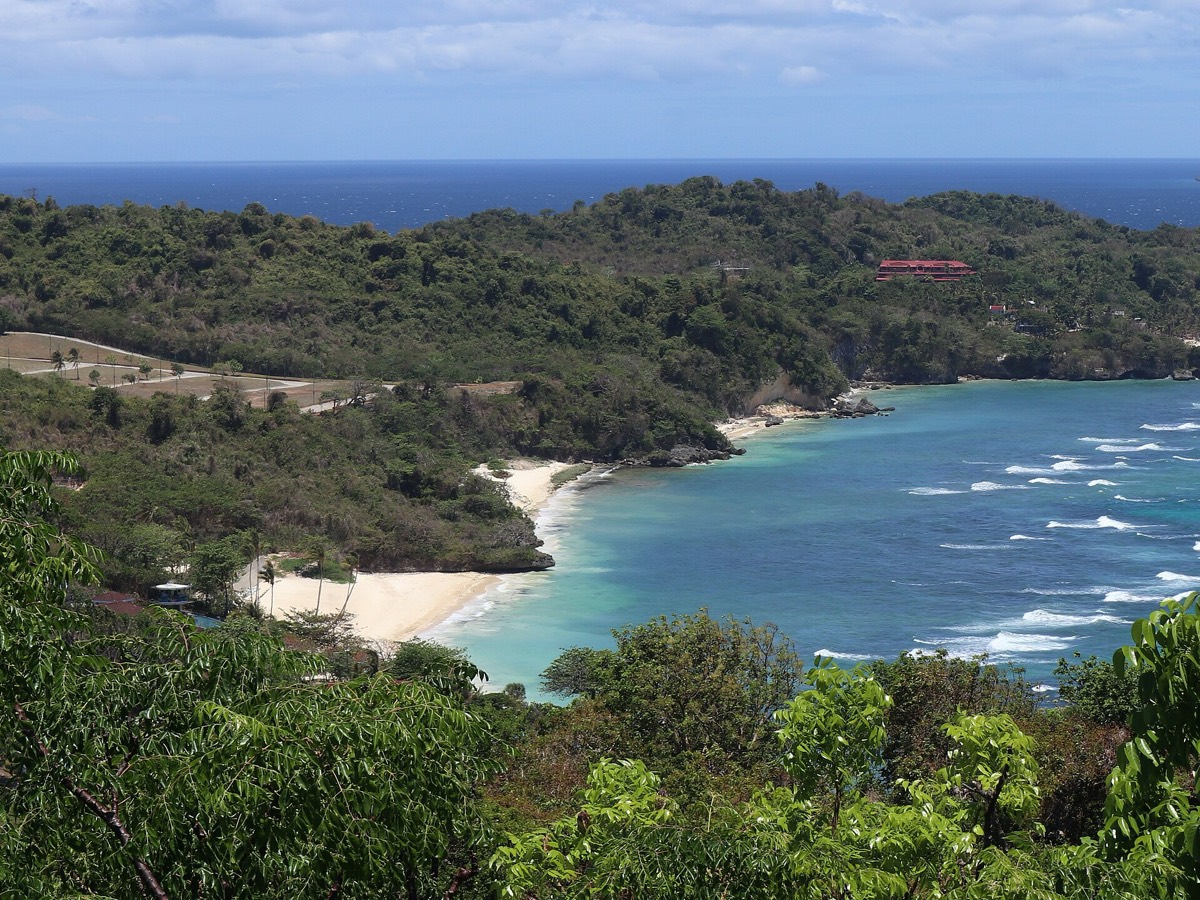
A long, wilder beach of coarse shell-sand and rough surf at the northern end of the island, where Boracay feels closest to how it used to be.

- Area
- Boracay’s quieter shores
- Start from
- Boracay, Station 1
- Distance
- about 4–5 km north of Station 1 by e-trike
- Time needed
- half a day
- Best season
- Best roughly November – May; rough surf possible in the habagat
- Difficulty
- Easy
- Transport
- E-trike or scooter
- Tickets & rules
- None; small fees may apply for facilities
Why go
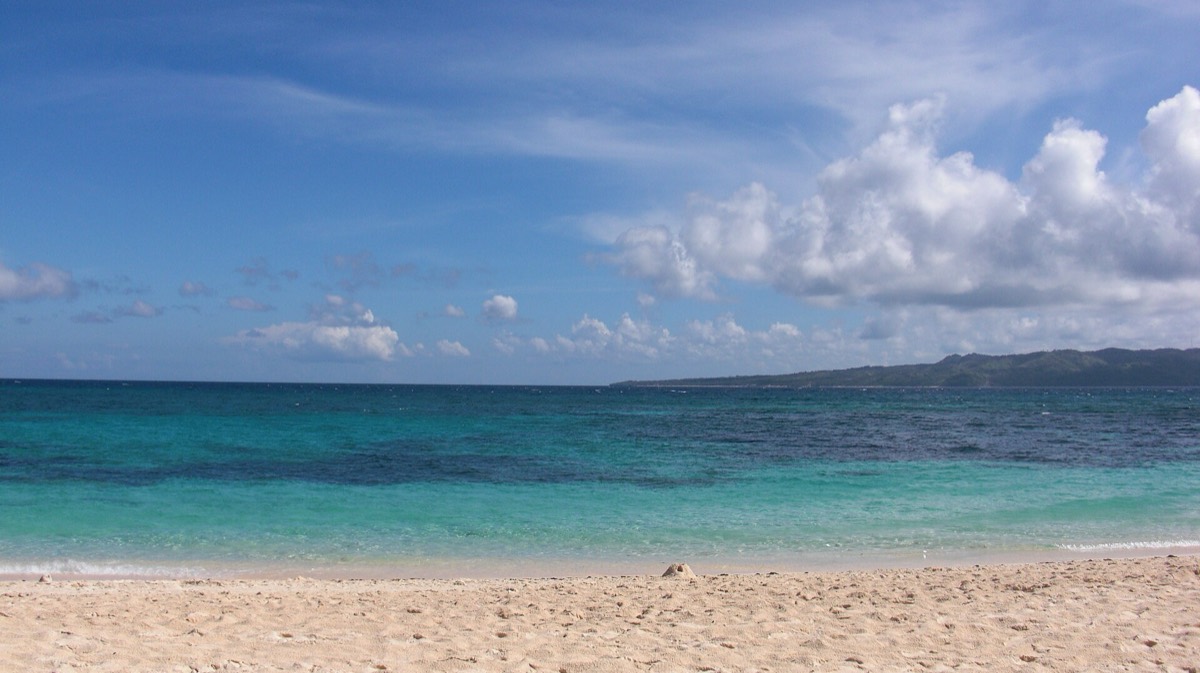
If White Beach is Boracay at its most polished, Puka Shell Beach is the island with its hair down. It lies on the far northern tip, in the barangay of Yapak, and the sand here is coarser and more golden, full of fragments of shell and coral. The water is often a deeper, more vivid blue, the waves are bigger, and there are no resorts lined up along the sand.
It is the place I go when White Beach starts to feel too busy. A few simple stalls sell coconuts and grilled food under the trees, a handful of people lie in the shade of the vegetation at the back of the beach, and the rest is just wind and surf. On a weekday morning you can walk for long stretches without passing anyone.
The ride there is part of it, too: a winding road through what is left of Boracay’s inland greenery, past small homes and churches, before the trees suddenly open onto the sea.
The story
The beach is named after puka shells, small, round, naturally holed shells that were once collected here in great numbers and strung into necklaces. In the 1970s and 1980s puka shell necklaces became fashionable far beyond the Philippines, and Boracay was one of the places that supplied them. Locals tell of times when the sand was almost white with them.
Collecting on that scale took its toll, and today the shells are much rarer. Taking shells, sand or coral from Boracay’s beaches is now discouraged and can be fined, and many visitors are surprised to find that the beach is named after something they can barely spot. Look closely, though, near the tideline, and you may still find a few.
Yapak, the barangay that covers the northern part of the island, has long been one of its more rural corners. Some of the land is held by large resorts and some is still forest, and the area around the north tip gives a sense of how Boracay looked before the main road filled with traffic.
Because it faces north, Puka catches different weather from White Beach. In the habagat months it can be the calmer side; in other seasons it takes the swell, and the waves crashing on this coarse sand are part of the reason it has stayed relatively undeveloped.

Getting there
From Station 1, an e-trike to Puka Shell Beach takes roughly fifteen to twenty minutes. Agree the fare before leaving and ask the driver to return at an agreed time, as fewer vehicles wait at the beach than on the main road.
You can also combine Puka with an island-hopping or sailing trip that stops off the beach, though landing depends on the waves.
A suggested plan
- 7:30E-trike to Yapak while the road is quiet.
- 8:00Walk the length of the beach and look for shells along the tideline, leaving them where they are.
- 9:30Swim only if the waves are gentle and others are in the water.
- 11:00Fresh coconut and grilled snacks at the stalls under the trees.
- NoonHead back south before the hottest part of the day.
Where to stay
There is little to stay at right on Puka. Base yourself at Station 1 or in the north near Diniwid for the shortest ride.
Good to know
- Go on a weekday morning for the emptiest sand.
- Bring water shoes if the shell fragments bother your feet.
- Leave shells and coral on the beach; the beach depends on them.
- Arrange a pick-up time with your driver before he leaves.
- The surf can be strong with powerful backwash; there are fewer lifeguards here than on White Beach.
- There is not much shade at midday; bring a hat and plenty of water.
- Avoid vendors offering shells or coral; buying them encourages harvesting.