Island hopping around Boracay
A slow loop by outrigger boat past caves, coral gardens and tiny islets, with snorkelling stops and a swim off a limestone cove.

- Area
- Around Boracay
- Start from
- White Beach or Bulabog
- Distance
- a few kilometres by boat around the island
- Time needed
- half a day to 1 day
- Best season
- Best roughly November – May; routes change in rough weather
- Difficulty
- Easy
- Transport
- Motorised bangka (outrigger boat)
- Tickets & rules
- Boat hire; separate entrance fees on some islands; snorkel gear rental
Why go
Boracay looks very different from the water. Once the boat rounds the headlands, the busy beaches disappear and you see cliffs, rocky coves and small islands just offshore, with colours in the water that change from turquoise over the sand to almost black over the reef.
Island hopping here is a relaxed, half-day affair rather than an expedition. Most trips stop at Crystal Cove Island, with its small beaches and sea caves, at the rocky Crocodile Island, named for its shape, for snorkelling, and at coral spots where the fish crowd around the boat. Some include Magic Island, known for its jumping platforms, and a beach lunch.
It is the best way to escape the crowd without leaving Boracay, and on a calm morning it is simply very beautiful: warm water, fish under the hull and a long view back to the white strip of sand.
The story
Before tourism, the waters around Boracay were the domain of fishermen who knew every reef and current. Many of the boatmen who now run island-hopping trips come from those families, and if you ask they will point out where their fathers set nets or where the best fishing was before the reefs grew busy.
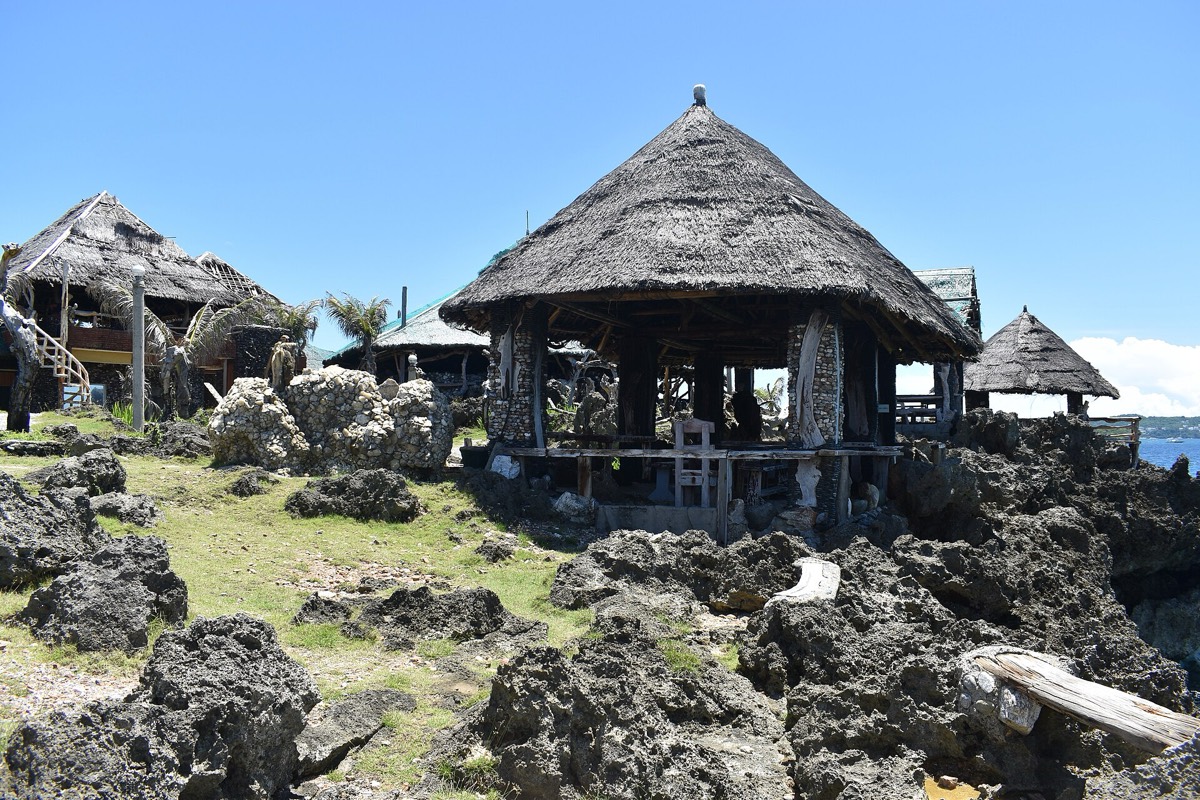
Crystal Cove Island, off Boracay’s southeast coast, is a small private island with paths, viewpoints and two caves that open onto the sea. It charges its own entrance fee and is run as a mini-park. Crocodile Island, close by, is uninhabited and rocky, and from the right angle its ridge does look like the back of a crocodile lying in the water.
The coral around Boracay has suffered over the years from runoff, boat traffic and warm-water events, and protecting it was one of the reasons for the 2018 closure. Since then there have been more efforts to manage snorkelling sites, limit anchoring on the reef and control what boats can do. The coral is not pristine, but it is alive, and it supports schools of sergeant majors, parrotfish and occasional turtles.
There is also a seasonal rhythm to the routes. When the amihan blows from the north-east, boats favour the sheltered west and south; when the habagat swings round, they shift to the other side. The boatmen read the water rather than a fixed itinerary.
Getting there
Trips can be booked through hotels, tour desks or boatmen on the beach. Shared tours are cheaper; a private bangka lets you set the pace and the stops.
Boats launch from White Beach or, depending on the season, from Bulabog or the southern ports. Your operator will tell you where to go and usually arrange an e-trike if needed.
A suggested plan
- 8:00Meet the boat and check life jackets and snorkelling gear.
- 8:30Crystal Cove Island: walk the paths and explore the sea caves.
- 10:00Snorkelling at Crocodile Island and a nearby coral garden.
- 11:30Optional stop at Magic Island or a beach for a swim.
- 13:00Lunch on a beach or back at the station.
Where to stay
You can do this from anywhere on Boracay. Choose an operator near your base to keep transfers short.
Good to know
- Bring reef-safe sunscreen and a rash guard to protect both skin and coral.
- Check that life jackets fit before leaving the shore.
- If you have your own mask, bring it; rental gear varies in quality.
- Carry cash for island entrance fees and snacks.
- Do not stand on or touch coral; it is fragile and can cut you.
- Boats should not anchor on the reef; you can ask your boatman to use buoys where they exist.
- Weather can change quickly; if the boatman says it is too rough, trust him.