Kalibo: piña looms, Ati-Atihan and the mangrove boardwalk
A day on the Aklan mainland, from workshops where pineapple fibres become gossamer cloth to a long boardwalk through replanted mangroves.

- Area
- Around Boracay
- Start from
- Boracay, via Caticlan
- Distance
- about 70 km from Caticlan by road
- Time needed
- 1 day
- Best season
- All year; Ati-Atihan festival in January
- Difficulty
- Easy
- Transport
- Boat to Caticlan, then van or bus; tricycles in Kalibo
- Tickets & rules
- Small entrance fee for the mangrove park; none for town
Why go
Most visitors see Kalibo only as an airport and a blur of road, but the provincial capital of Aklan is worth a day, especially when it rains on Boracay. This is the home of piña, the fine, translucent cloth woven from the fibres of pineapple leaves, and in small workshops around the town you can still see the whole process: leaves scraped by hand, fibres knotted thread by thread, and looms clacking in the shade.
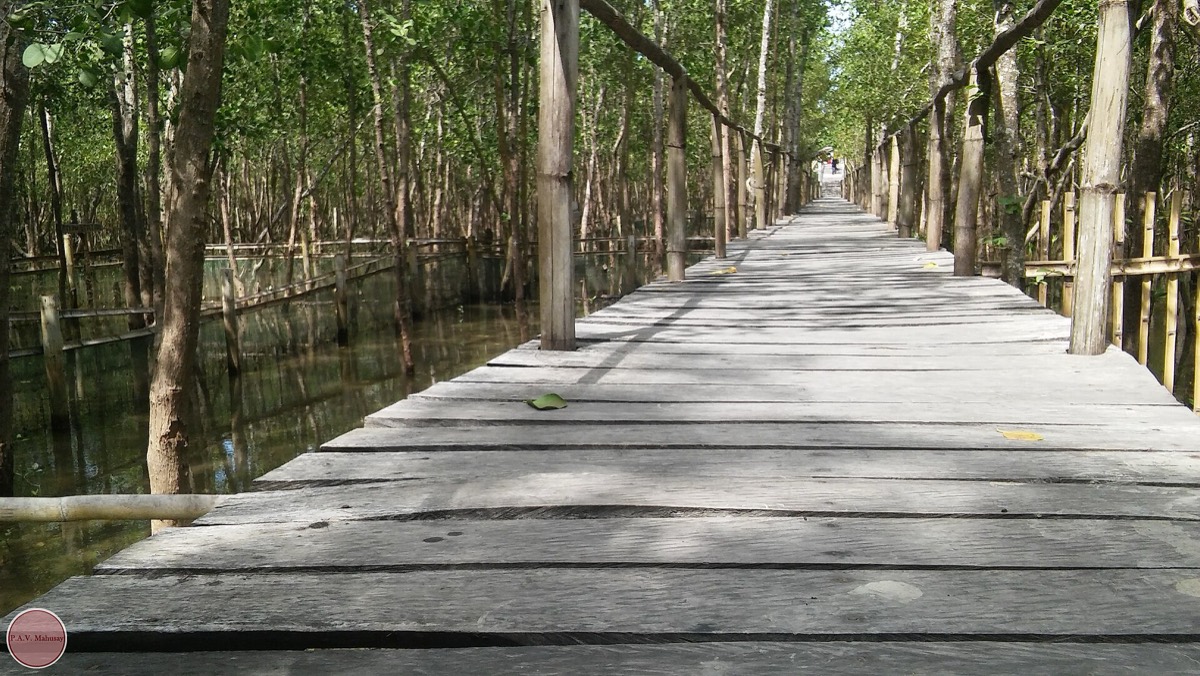
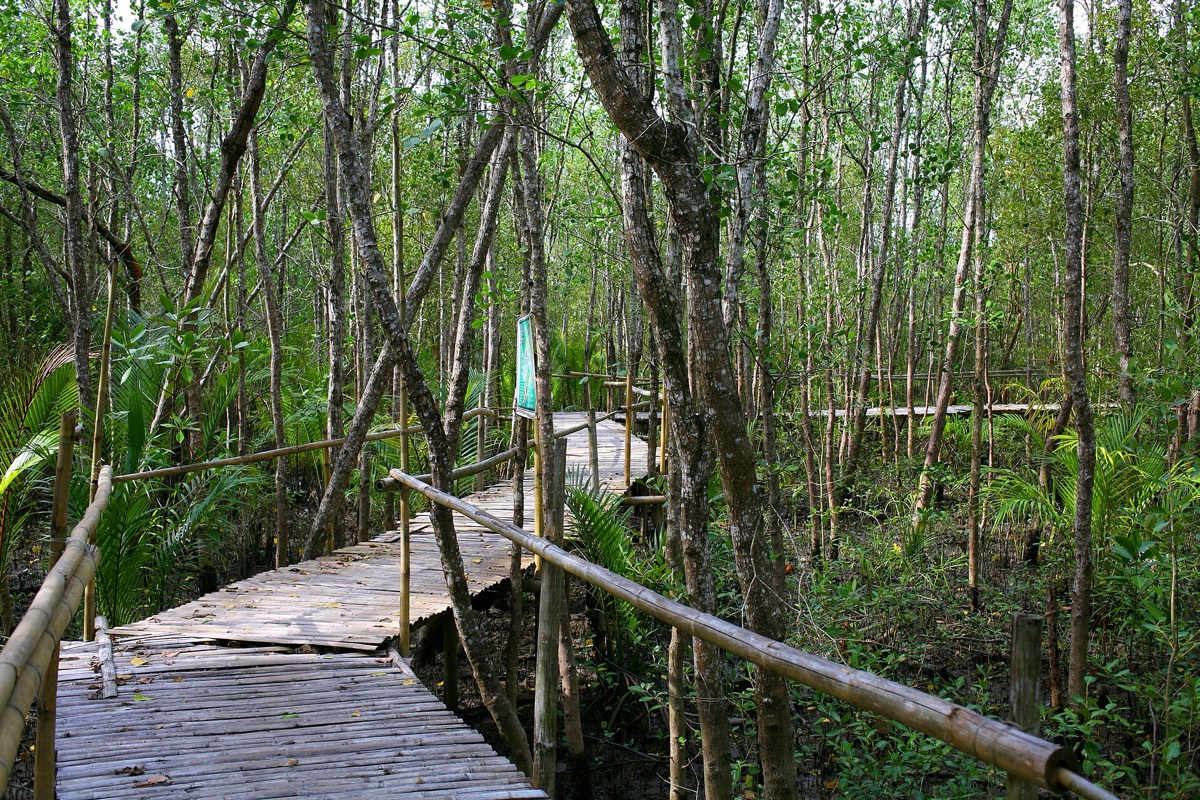
Just outside town, the Bakhawan Eco-Park is a large mangrove forest with a bamboo boardwalk running through it to the sea. Walking it is quiet and green and surprisingly cool, with crabs scuttling in the mud and the roots of the mangroves arching above the water like ribs.
Together, they show a side of the region that has nothing to do with beach holidays: craft, community and a coastline that people have worked hard to protect.
The story
Piña weaving in Aklan goes back centuries. Under Spanish rule the fabric became a luxury, prized for its fineness and its sheen, and it was exported and worn by the elite. The Barong Tagalog, the embroidered formal shirt of Filipino men, is traditionally made from piña, and wedding and state occasions across the country still call for it. A single length of fine cloth can take weeks of patient work.
Kalibo is also the home of the Ati-Atihan festival, held in January in honour of the Santo Niño, the Holy Child. For days the streets fill with drums and dancers, many with their faces and bodies blackened with soot in tribute to the Ati, the island’s first inhabitants. One popular legend connects the festival to a meeting between Ati people and settlers from Borneo centuries ago, later woven together with Catholic devotion. It is loud, joyful and one of the oldest festivals in the Philippines.
The Bakhawan Eco-Park began as a community response to disaster. Storms and floods had battered the coast, and from around 1990 local groups began planting mangroves on the mudflats to protect the shore. The trees took, and the result is now a forest covering a large area, with a long boardwalk that lets visitors walk deep into it.
Mangroves are nurseries for fish and crabs, buffers against storm surges and stores of carbon, and Bakhawan is often held up in the Philippines as an example of what replanting can achieve.

Getting there
From Boracay, take the boat to Caticlan and then a van or bus to Kalibo, roughly one and a half to two hours. If you are flying out of Kalibo, you can fit this in on the way.
In Kalibo, tricycles are the easiest way around town and out to the eco-park; agree a fare or hire one for a few hours.
A suggested plan
- 8:00Early boat to Caticlan and a van to Kalibo.
- 10:00Visit a piña weaving workshop and watch the fibres being prepared.
- NoonLunch in town; try local dishes such as inubarang manok, chicken cooked with banana pith.
- 14:00Tricycle to Bakhawan Eco-Park and walk the boardwalk to the sea.
- 16:00Return to Caticlan and Boracay, or on to Kalibo airport.
Where to stay
Most people visit from Boracay or stop on the way to the airport. During Ati-Atihan, Kalibo’s hotels fill months ahead.
Good to know
- Buy piña directly from workshops; real piña is expensive, so be wary of cheap imitations.
- Ask before photographing weavers at work.
- Bring insect repellent for the mangroves.
- If you visit during Ati-Atihan, expect to be pulled into the dancing.
- During Ati-Atihan, crowds are huge and pickpockets work the streets.
- Boardwalks can be slippery after rain; watch your step.
- Leave enough time for the road back; traffic and weather can delay you.