Ilig-Iligan and the quiet east coast
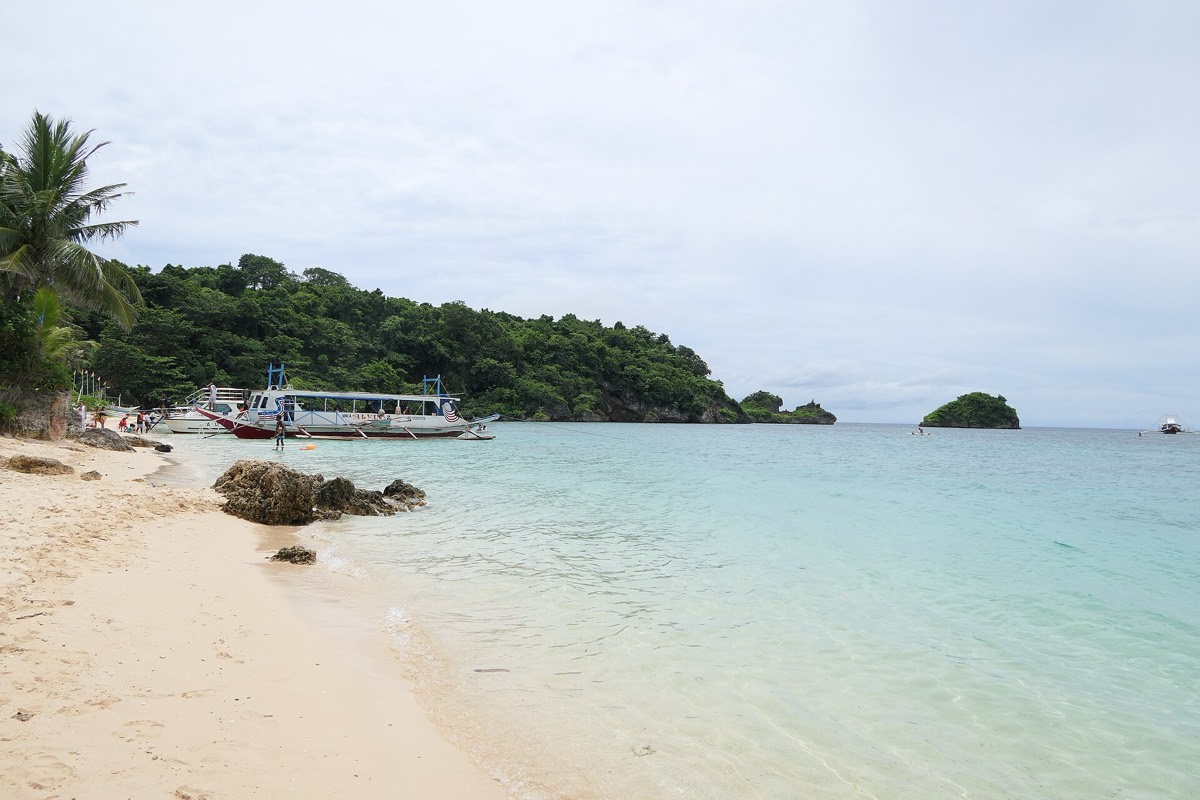
A little-visited beach with rocky caves on the north-east coast, a reminder that Boracay still has corners where you can be almost alone.

- Area
- Boracay’s quieter shores
- Start from
- Boracay, Station 2
- Distance
- about 4 km by e-trike
- Time needed
- half a day
- Best season
- Best in calm weather; rough when the amihan blows hard
- Difficulty
- Easy
- Transport
- E-trike or scooter
- Tickets & rules
- None; some beaches are reached through private land with small access fees
Why go
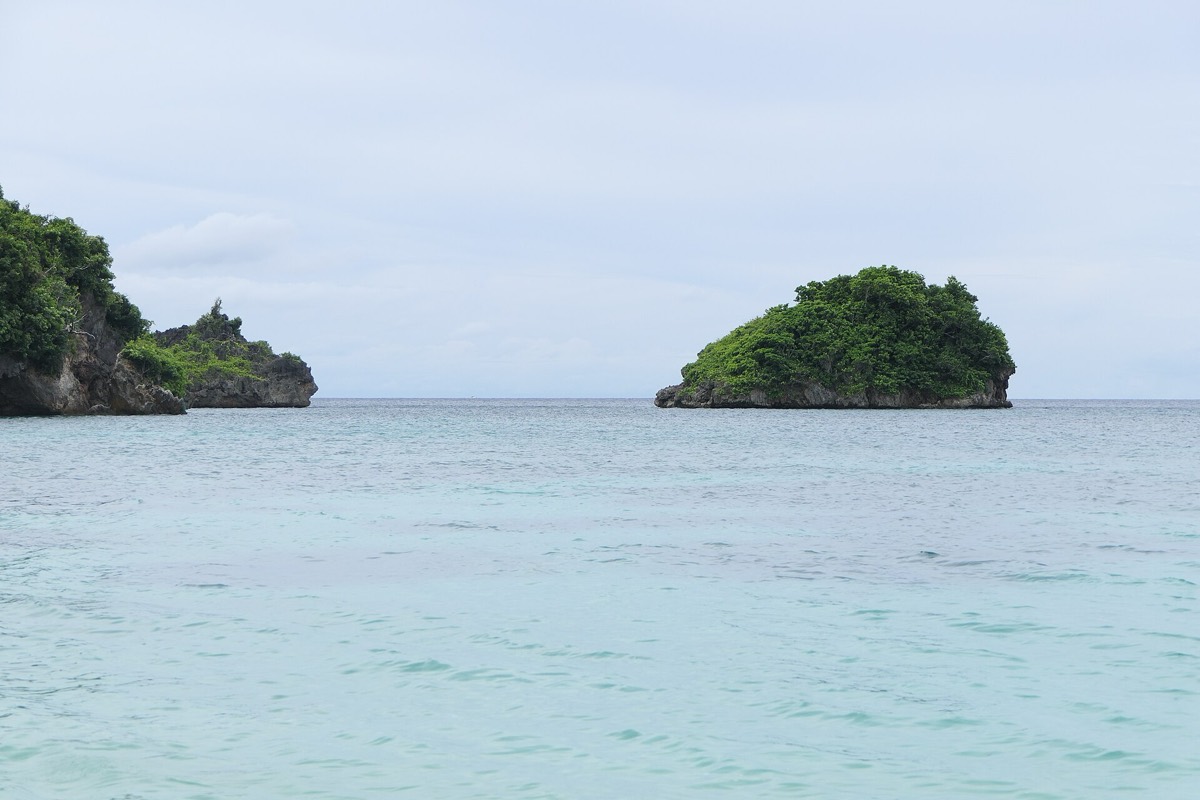
Ilig-Iligan Beach lies on Boracay’s north-east side, tucked between rocky points and edged with trees. It is not as fine or as white as White Beach, and the sea is often livelier, but that is precisely why I like it. On most days there are only a few people on the sand, and the rocks at either end are worth exploring for their small caves and tide pools.
Getting there means turning off the main road onto quiet lanes, past small houses and patches of forest. It is a good way to see the inland, residential side of Boracay, where families live, dogs doze in the shade and children walk to school.
It suits a slow morning: a swim when the sea is calm, a book under the trees, a look at the rocks and caves, and nothing else planned.
The story
The north-east of Boracay has long been the island’s quieter quarter. Exposed to the amihan winds and with rocky, irregular coastline, it was less suited to resorts than the sheltered west, so it kept more of its trees and its scattered communities.
The rocky headlands around Ilig-Iligan are honeycombed with small caves cut by the sea into old coral limestone. Some are big enough to step inside, others are just hollows and arches. Local stories sometimes attach legends to caves like these, of hiding places and spirits, and they are a reminder that Boracay was a lived-in landscape long before it was a holiday one.
Parts of the coast here are owned by large resorts, and access paths can shift as properties change. That is a common pattern in the Philippines, where beaches are legally public up to a certain line but the land behind them is private. Where access is through private land, a small fee or a polite request is often how it works.
For birdwatchers, the forest patches in the north still hold some birdlife, and early morning is the time to listen for it before the heat and traffic pick up.

Getting there
From Station 2, an e-trike to Ilig-Iligan takes roughly fifteen minutes along the main road and then down side lanes. Ask the driver to wait or arrange a time to be picked up.
With a scooter, take it slowly on the narrow lanes and park only where it is clearly allowed.
A suggested plan
- 7:30E-trike to the north-east coast while the lanes are quiet.
- 8:00Walk the beach and explore the rock caves at low tide.
- 9:30Swim if the sea is calm, or read under the trees.
- 11:00Ride back via Mount Luho or Bulabog if you want to combine.
- NoonLunch back on White Beach.
Where to stay
There are few places to stay right here; most people visit from White Beach or Bulabog. A resort in the north of the island will put you closest.
Good to know
- Low tide is best for the caves and rock pools.
- Bring water and snacks; there may be little to buy.
- Combine with Mount Luho, which is nearby inland.
- Respect any signs about private land and access.
- Waves can be strong here in the amihan season; swim only when it is calm.
- Rocks are sharp and slippery; wear sandals with grip.
- Do not enter deeper caves without light and someone who knows them.