D’Talipapa, paluto dinner and the evening beach path
Choose fish at the wet market, have it cooked to order next door, then stroll the lantern-lit beach path as Boracay’s evening comes alive.
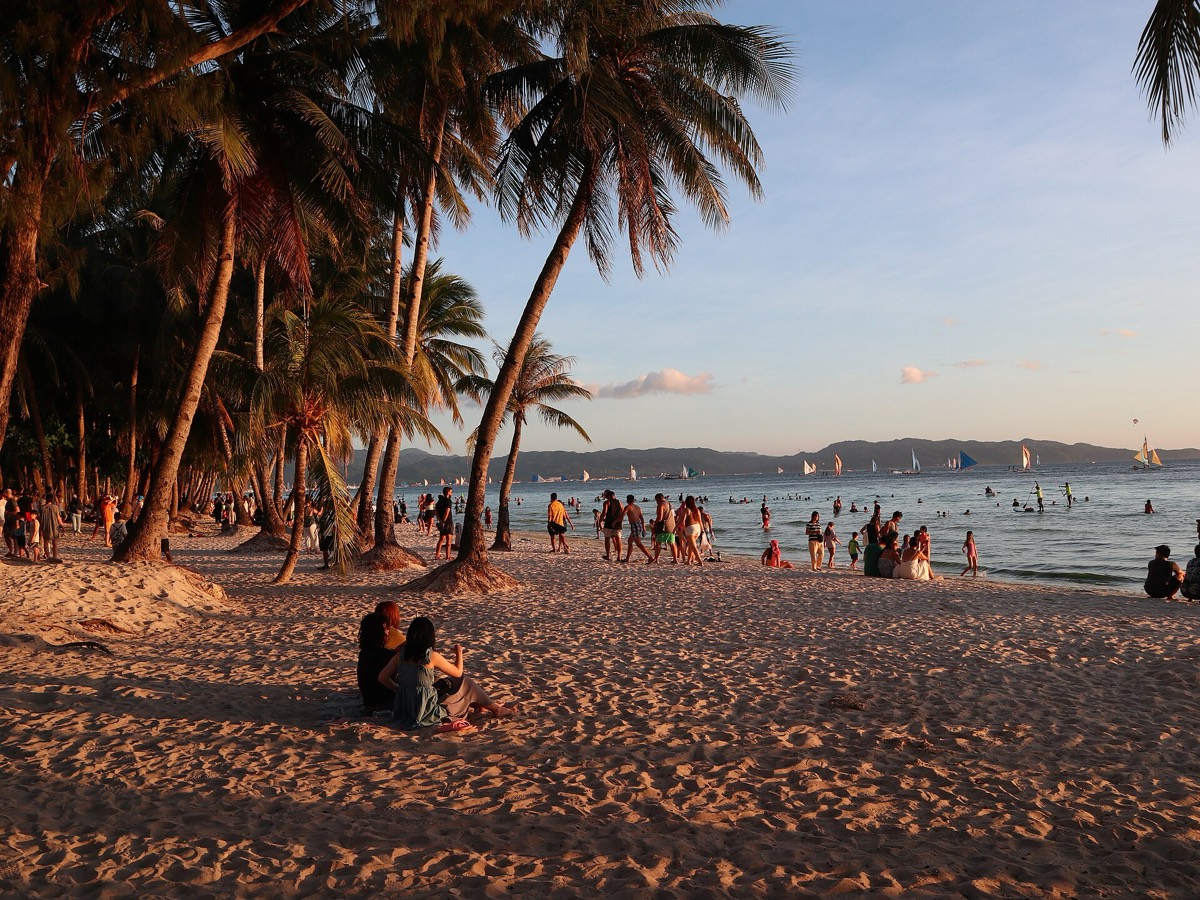

- Area
- White Beach & the stations
- Start from
- Boracay, Station 2
- Distance
- walking distance between Station 2 and Station 3
- Time needed
- 1 evening
- Best season
- All year
- Difficulty
- Easy
- Transport
- On foot
- Tickets & rules
- None
Why go
Boracay is full of restaurants, but the most fun meal I had on the island was at D’Talipapa, the wet market just inland from Station 2. The idea is simple: you walk through the stalls, choose fish, prawns, squid or crabs, haggle a little, and then carry your bag to one of the small restaurants around the market, which will cook it for a fee in whatever style you like. This is called paluto, from the Filipino word for ‘to have cooked’.
It is noisy, informal and very Filipino. Sellers call out prices, ice glistens on the trays, and the cooks clatter pans behind the counters. Grilled fish with soy and calamansi, garlic prawns, squid in its ink, a plate of rice each: it is hard to eat better on the island.
Afterwards, the evening walk along the beach path is the perfect follow-up, with music drifting from bars, candles on the sand and the sea lapping softly in the dark.
The story
‘Talipapa’ is the Filipino word for a small market, and D’Talipapa grew up as a place where fishermen and traders sold their catch to the island’s cooks and residents. As tourism grew, the paluto restaurants appeared around it, and the market became an attraction in its own right without ever quite losing its working character.
Paluto dining is common all over the Philippines’ coasts. It reflects a habit of buying food fresh and getting it cooked quickly, and it is a good introduction to Filipino seafood cooking: sinigang, a sour soup flavoured with tamarind; kinilaw, raw fish cured in vinegar and calamansi; grilled fish wrapped in banana leaves; and garlicky stir-fries.
Not far away, D’Mall, the open-air shopping area at Station 2, was built as a pedestrian lane of shops and restaurants opening onto White Beach. It is busy and touristy, but it also has small bakeries and dessert places worth trying. Boracay’s calamansi muffins, sweet and tart, are a local favourite.
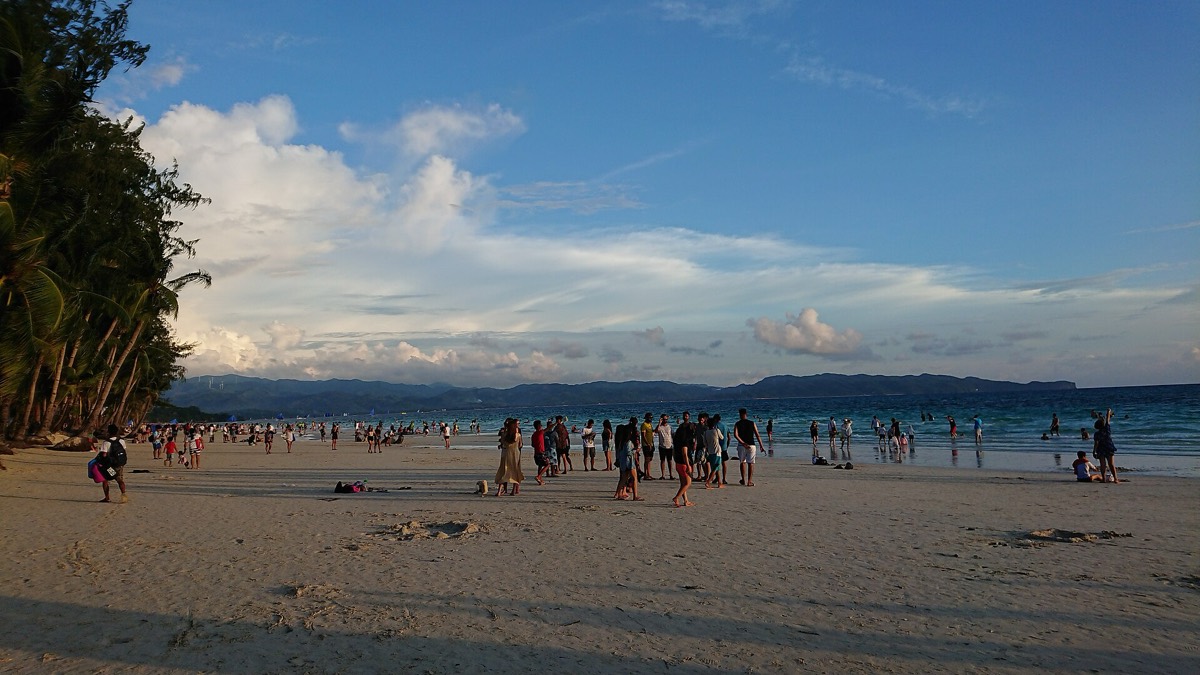
The beach path itself has changed since 2018. Many beachfront buildings were pulled back, the sand is clearer, and the evening atmosphere is quieter than in the island’s wildest years, but it is still full of life once the sun goes down.

Getting there
D’Talipapa sits a few minutes inland from Station 2. Walk from White Beach through D’Mall or ask anyone for directions; everyone knows it.
After dinner, walk back to the beach path and follow it north or south as far as you like. E-trikes along the main road can take you home.
A suggested plan
- 5:30 pmWatch the sunset from Station 2.
- 6:30 pmWalk to D’Talipapa and browse the fish and seafood stalls.
- 7:00 pmChoose a paluto restaurant, agree the cooking fee and the dishes.
- 8:00 pmDinner, with fresh fruit shakes or cold drinks.
- 9:00 pmStroll the beach path north to Station 1 or south to Station 3.
Where to stay
Station 2 puts you right in the middle of the action; Station 1 or 3 are quieter but still within easy walking distance of the market.
Good to know
- Ask the price per kilo at a few stalls before buying.
- Agree the cooking fee per kilo or per dish before handing over your bag.
- Order rice and a vegetable dish to balance a seafood feast.
- Calamansi muffins from local bakeries make a good breakfast the next day.
- Some sellers inflate prices for tourists; a polite haggle is normal.
- Be wary of touts trying to steer you to a particular restaurant.
- Avoid eating shellfish during red tide warnings; ask locally if unsure.