Fireflies on the Abatan river
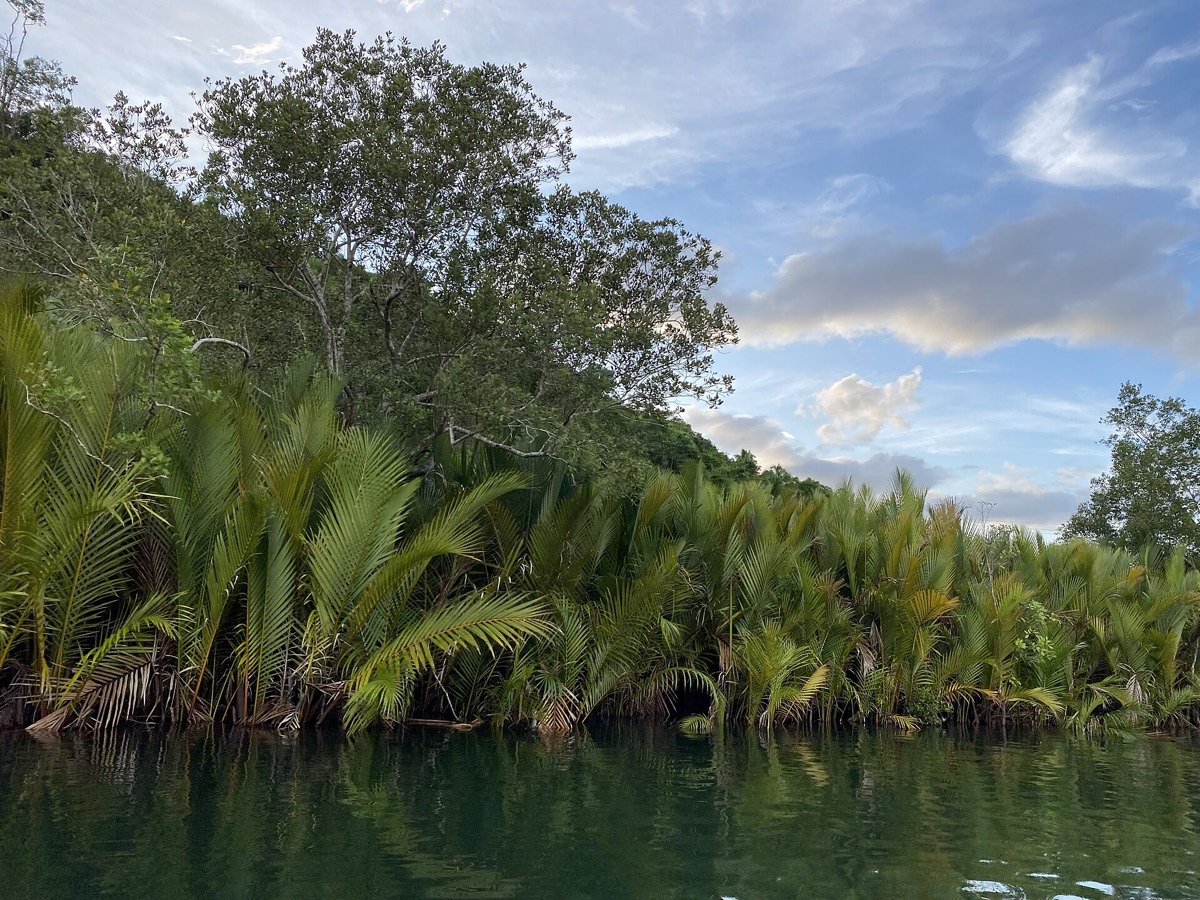
After dark, the mangroves and nipa palms of the Abatan river light up with thousands of fireflies blinking in time, one of the quietest and most magical evenings on Bohol.

- Area
- Tagbilaran & coast
- Start from
- Tagbilaran
- Distance
- about 15 km to the river; 1–2 hours on the water
- Time needed
- evening
- Best season
- All year; best on dark, dry nights
- Difficulty
- Easy
- Transport
- Car or tricycle to the river, then kayak, paddle board or small boat
- Tickets & rules
- Tour fee; life jacket provided
Why go
I nearly skipped this because it sounded like a tour-desk gimmick. It isn’t. You set off at dusk from a small landing on the Abatan, the water brown and glassy, nipa palms leaning over both banks. The last light goes, the mosquitoes come out, the guide stops paddling and points, and one tree after another starts to blink like a strand of Christmas lights that someone forgot to switch off.
The fireflies here gather on particular mangrove trees and flash together, so the light seems to breathe. There is no music, just the drip of paddles, frogs, the occasional splash of a fish, and a guide whispering the names of trees. It is the kind of thing you cannot photograph properly, and that is part of its charm.
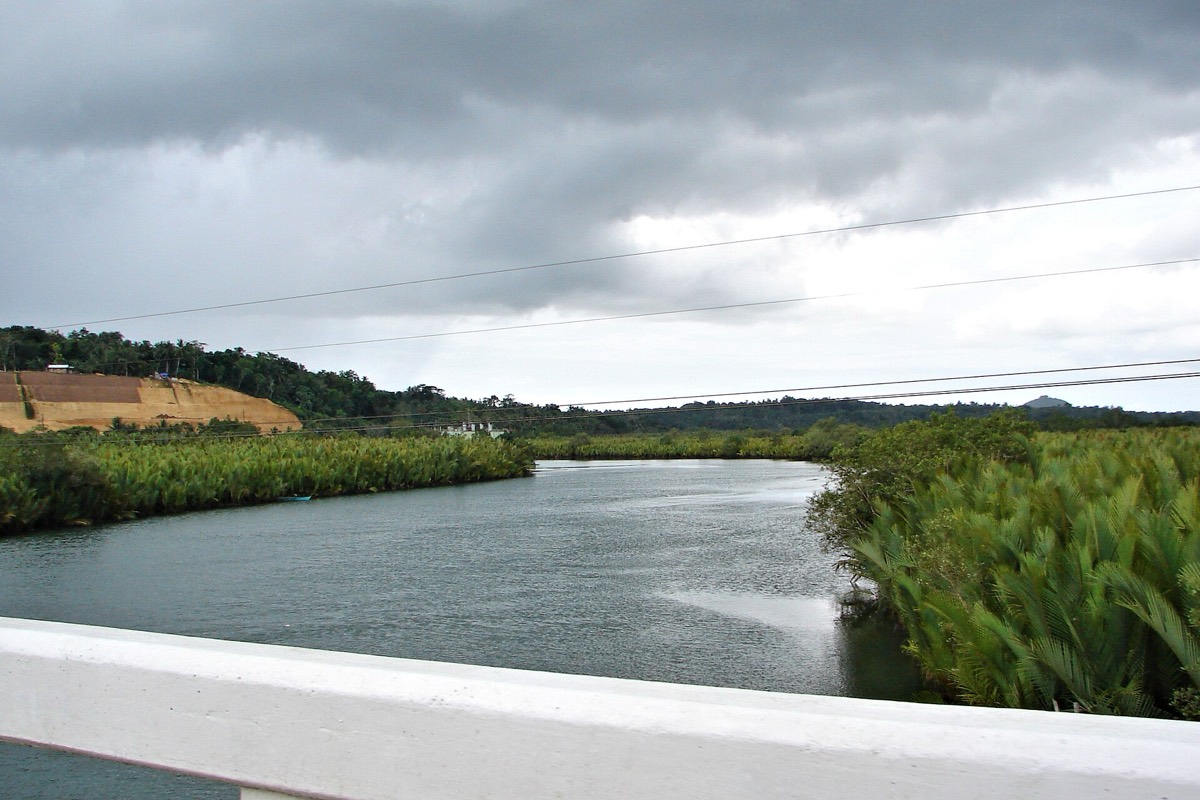
It is also a gentle introduction to the river system that feeds Bohol’s western coast. By day the Abatan is a working river, used by fishermen and nipa thatch harvesters; at night it belongs to insects and herons.
The story
The Abatan winds through several towns, including Cortes, Antequera, Balilihan and Maribojoc, before reaching the sea. Its lower reaches are lined with nipa palms, whose leaves were for centuries the standard roofing material across the Visayas. Families along the river still cut, fold and stitch the fronds into shingles, and you may pass bundles of them drying on bamboo racks.
Firefly tourism here grew from community projects in the 2000s and 2010s, partly as a way to give riverside villages an income that depended on keeping the mangroves healthy. Fireflies need dark, undisturbed vegetation and clean water for their larvae, so a healthy display is a good sign of a healthy river.
Siquijor, the island further south, was once called Isla del Fuego by Spanish sailors, apparently because of the glow of fireflies swarming in its trees. Seeing the Abatan at night makes that name easy to believe.
Local guides tell children that fireflies are the souls of the dead, or small spirits who carry lights for those lost in the forest. One guide told me that his grandmother would not let anyone catch them, because whoever did would be followed home.

Getting there
Firefly trips leave from landings in the Cortes and Maribojoc area, about 30–40 minutes by road from Tagbilaran and a little longer from Panglao. Most operators can arrange a pick-up; otherwise hire a tricycle or car for the evening and agree a waiting fee.
Tours usually start around sunset. Kayak and stand-up paddle trips are popular, and there are also motorised or paddled boats for those who prefer to sit still.
A suggested plan
- 17:00Leave Panglao or Tagbilaran; apply insect repellent before you go.
- 17:45Arrive at the landing, get a safety briefing and a life jacket.
- 18:15Paddle upriver in the last light, watching for kingfishers and herons.
- 18:45Darkness falls; drift beside the firefly trees with lights off.
- 19:45Return to the landing and have dinner on the way back.
Where to stay
There is little accommodation along this stretch of the river, so most people come from Panglao or Tagbilaran. It combines well with the Blood Compact and Punta Cruz route earlier in the day.
Good to know
- Go on a night without a bright moon if you can; the display is stronger in deep darkness.
- Wear long sleeves and trousers in light fabric; mosquitoes are out at dusk.
- Phone cameras won’t capture much. Put them away and just watch.
- Bring a dry bag for keys and phones if you are kayaking.
- Never shine torches at the trees and never catch fireflies; it disrupts their mating signals.
- Heavy rain makes the river fast and muddy, and trips may be cancelled; don’t push it.
- Make sure your boat has a light for the return and that everyone wears a life jacket.