Coral-stone churches of the south coast
A short drive east of Tagbilaran, the old Jesuit churches of Baclayon, Loay and Dauis tell four centuries of Bohol’s story in coral, lime and earthquake scars.

- Area
- Tagbilaran & coast
- Start from
- Tagbilaran
- Distance
- about 25 km along the coast
- Time needed
- half a day
- Best season
- All year (drier December – May)
- Difficulty
- Easy
- Transport
- Tricycle, hired car or scooter
- Tickets & rules
- Small museum fee at Baclayon; covered shoulders and knees inside churches
Why go
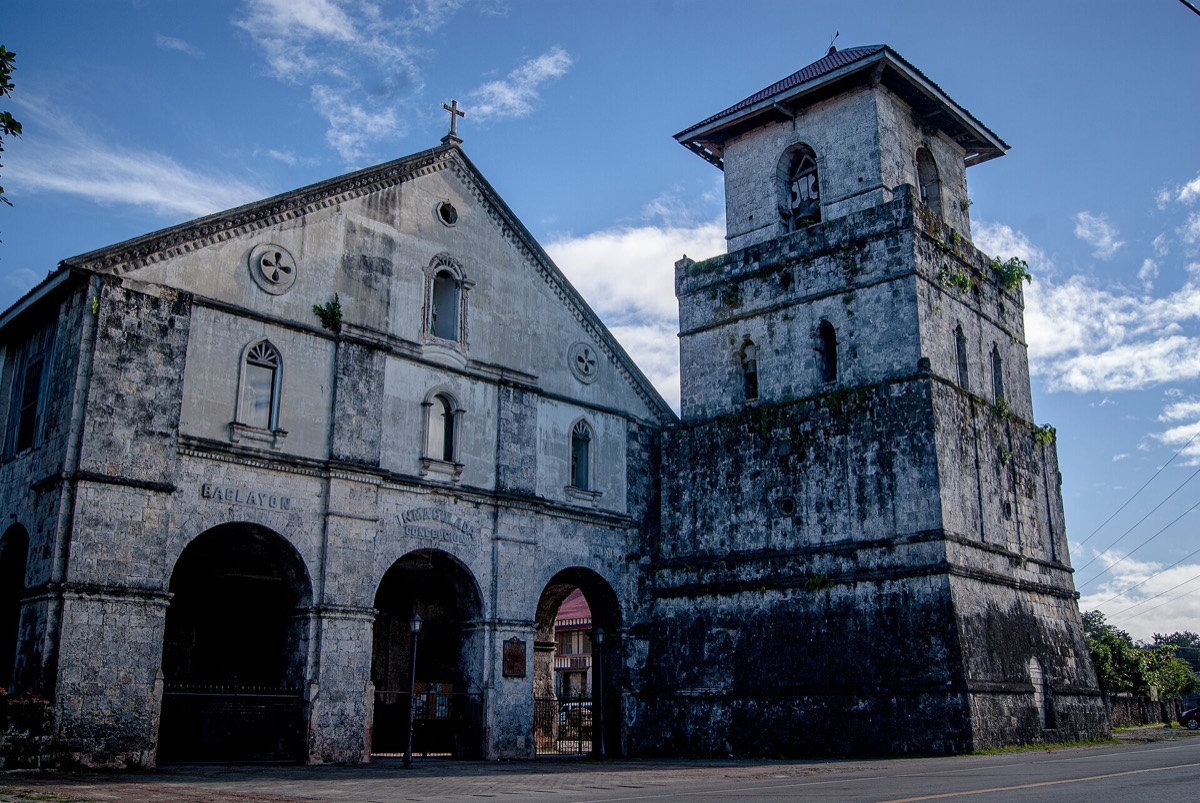
Most people pass Baclayon on the way to the Loboc river and give it ten minutes. I think it deserves a slow morning. The church of Our Lady of the Immaculate Conception sits a few steps from the sea, its walls made of coral blocks cut from the reef and bound with mortar that, by tradition, was mixed with egg whites. In the early light the stone turns the colour of weak tea, and the inside smells of wax, old wood and sea air drifting through the side doors.
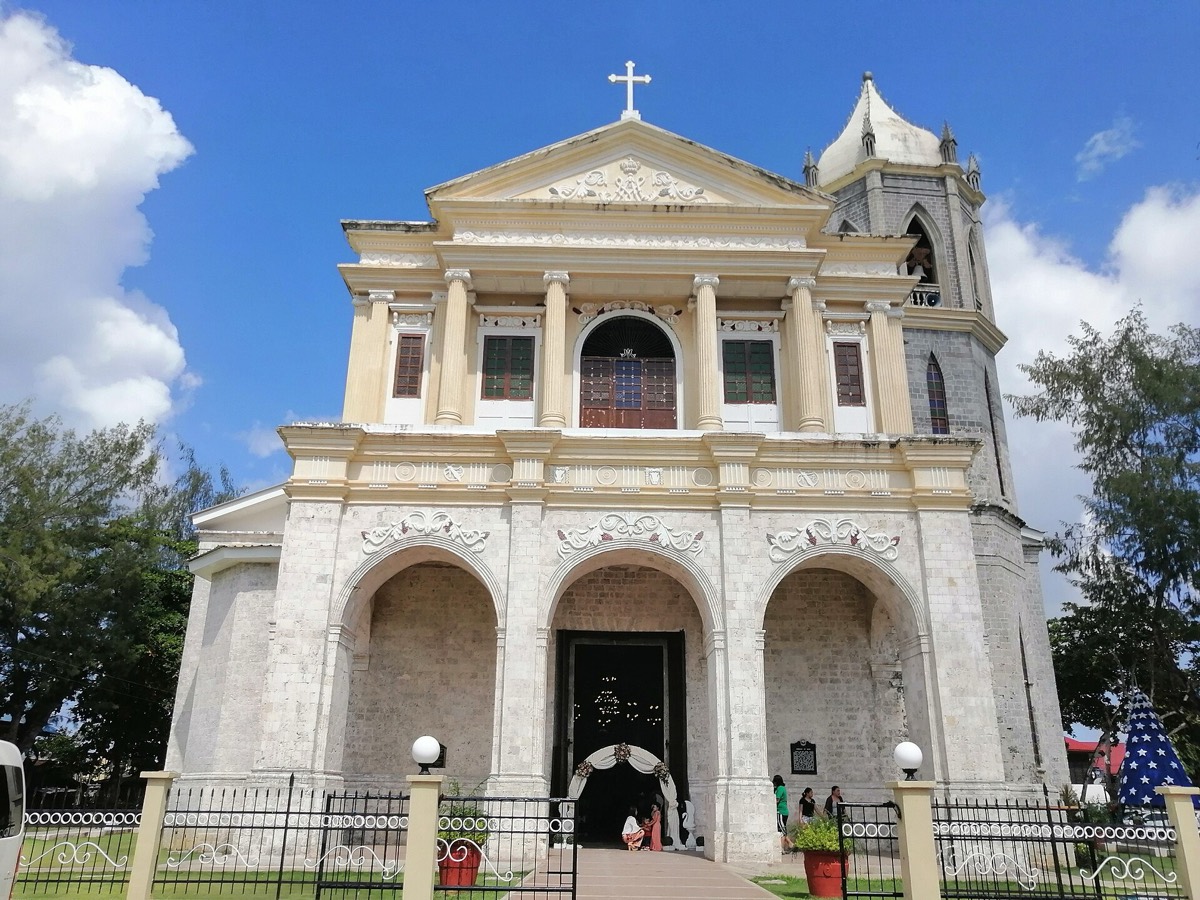
What makes the route rewarding is the contrast between buildings. Baclayon is solid, heavy and plainly built for defence as much as worship. Further along the coast road, the church at Loay looks out over the mouth of the Loboc river, and in Dauis, on the Panglao side of the channel, a church with a painted ceiling hides a freshwater well under its altar that pilgrims still drink from.
It is also a gentle introduction to how Boholanos live with their churches. These are not museums. On a weekday morning you will find an old woman praying the rosary in a back pew, children in school uniforms cutting across the plaza, and a man sweeping fallen leaves from steps worn smooth by three hundred years of feet.
The story
Baclayon is usually described as one of the oldest Christian settlements in the Philippines. Jesuit missionaries arrived in the area in the 1590s, and the stone church that stands today was finished in the early eighteenth century, traditionally dated to 1727. The work was done by forced labour from surrounding villages, which is part of the story that local guides sometimes tell quietly and sometimes not at all.
The Jesuits were expelled from the Spanish colonies in 1768, and the Augustinian Recollects took over Bohol’s parishes. They added and rebuilt, which is why so many churches on the island mix styles: a sober Jesuit core, then a nineteenth-century bell tower or façade grafted on. The convent at Baclayon now holds a small museum of vestments, carved saints, old hymn books written on animal hide and silver altar pieces.
On 15 October 2013 a magnitude 7.2 earthquake struck Bohol. Several of these churches were badly damaged; Baclayon lost its façade and part of its bell tower, and Loay’s church partly collapsed. Restoration has been slow and careful, using original stones where they could be recovered and numbered. Walking around, you can sometimes tell old blocks from new by their colour and by the tiny fossil shells still visible in the coral.
Dauis has its own legend. During a long siege by raiders, the townspeople are said to have taken refuge in the church. When the water ran out, a spring appeared beneath the altar. The well is still there, and some people fill bottles from it to take home to the sick.

Getting there
Baclayon is roughly 6–7 km east of Tagbilaran on the coastal highway, and Loay is a little further. Jeepneys and buses heading east pass both towns, but a tricycle or a hired car for a few hours is easier if you want to stop at several churches.
Dauis is on Panglao island, just across the bridge from Tagbilaran, so it fits neatly at the start or end of the loop if you are staying on Panglao.
A suggested plan
- 7:30Start at the Dauis church while it is cool and quiet; look for the well under the altar.
- 9:00Cross back through Tagbilaran and drive east to Baclayon. Walk around the outside before going in.
- 9:45Visit the Baclayon museum in the old convent, then sit on the seawall opposite the plaza.
- 11:00Continue to Loay, where the Loboc river meets the sea, and see the church and the old Spanish bridge area.
- 12:00Join a river lunch cruise or head back to town for lunch.
Where to stay
Panglao is the obvious base, with everything from simple guesthouses to large resorts, and Dauis is on the way. Tagbilaran itself is practical rather than pretty but has malls, banks and an easy ferry port if you are heading on to Siquijor or Cebu.
Good to know
- Mornings are best for both light and temperature; coral stone radiates heat by early afternoon.
- Bring small notes for donation boxes and the museum fee.
- If a mass is on, sit at the back or wait outside; visits resume afterwards.
- Look up at the ceilings: several churches have painted panels from the nineteenth and twentieth centuries.
- Coastal traffic is fast and tricycles stop suddenly; take care crossing the highway.
- Restoration areas may be fenced off; don’t climb on loose stones or scaffolding.