Bayan Beleq and Segenter: old Lombok in the north
A thatched mosque that may be the oldest on the island and a walled hamlet of bamboo houses show how Islam and older customs came together in north Lombok.

- Area
- Rinjani & Senaru
- Start from
- Senaru
- Distance
- about 20 km by road
- Time needed
- half a day
- Best season
- All year
- Difficulty
- Easy
- Transport
- Car or scooter; short walks
- Tickets & rules
- Donation at the mosque and village; modest dress, sarong provided at the mosque
Why go
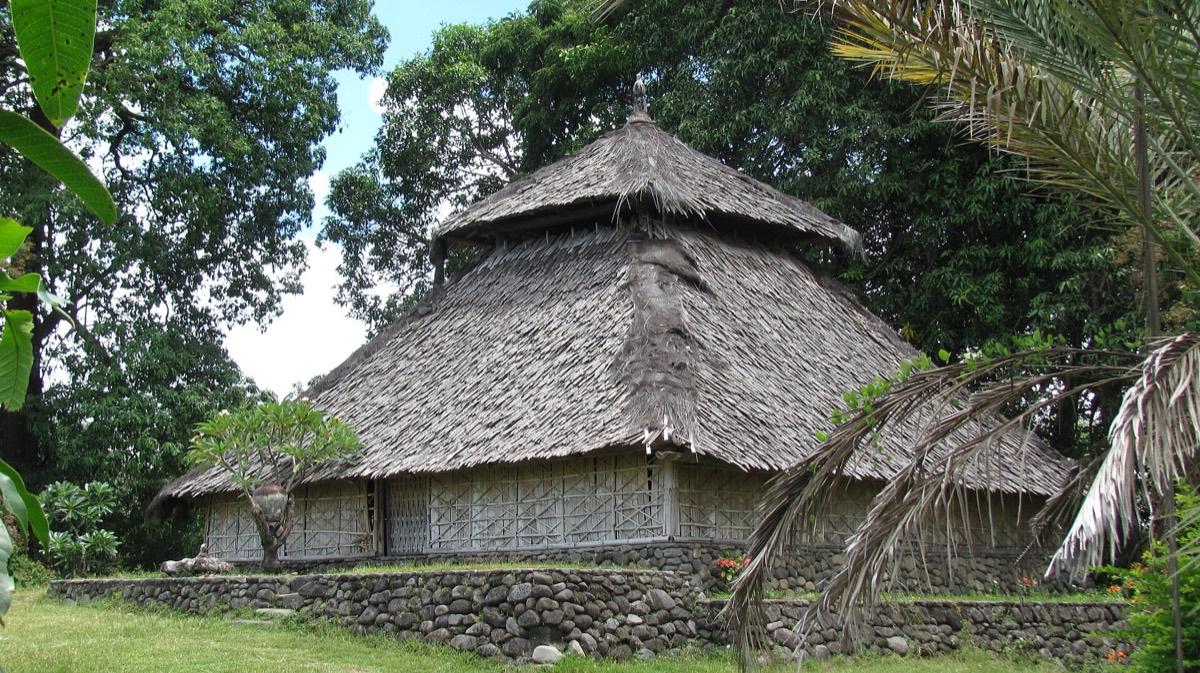
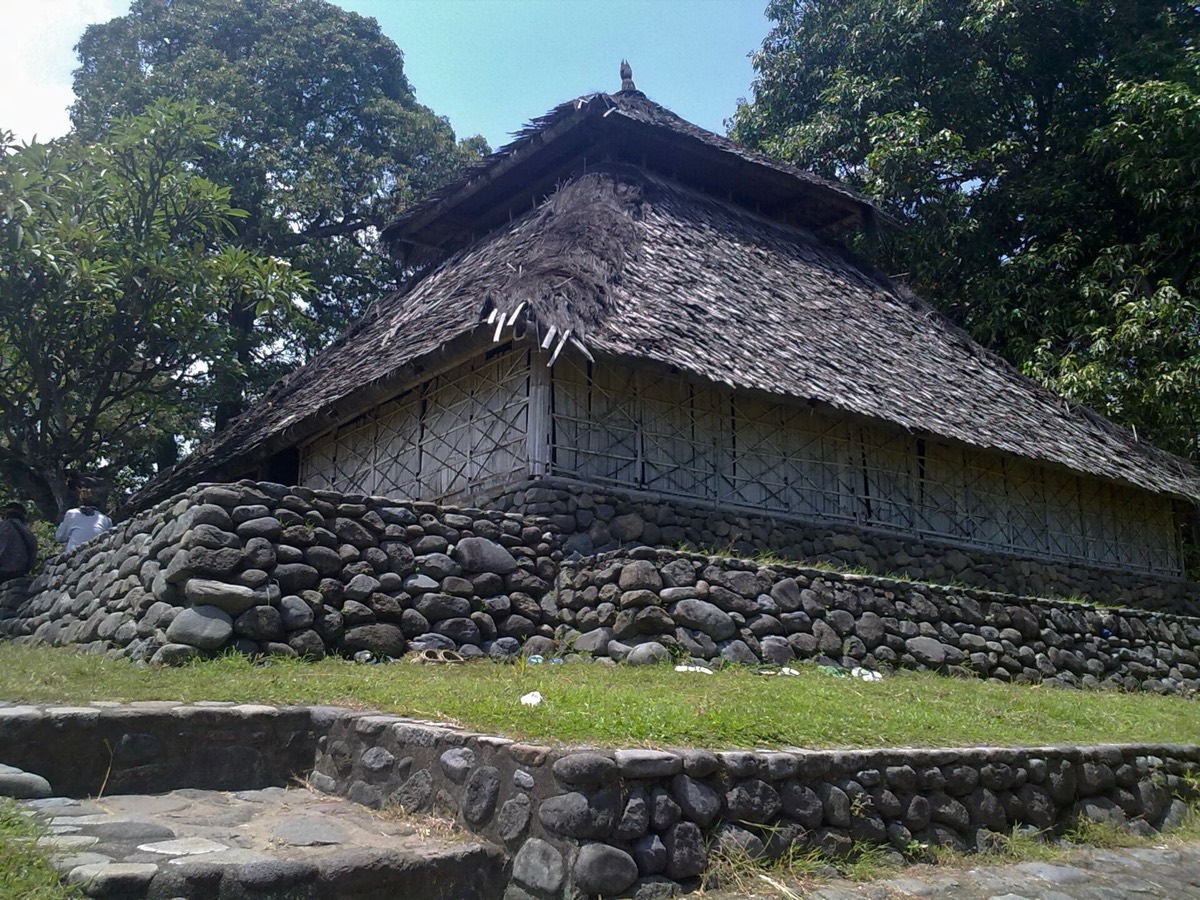
Most visitors to the north go straight to the waterfalls and the volcano. A few kilometres away, in the village of Bayan, stands one of the most unusual buildings on the island: Masjid Bayan Beleq, an ancient mosque with walls of woven bamboo, a high pyramid roof of bamboo shingles and a floor of packed earth. It sits on a low stone terrace, surrounded by the graves of local founders and a few equally old buildings.
It does not look like any mosque you will see elsewhere in Lombok, where shining domes and minarets rise over almost every village. Inside, it is dim and cool, held up by four great wooden pillars, and it is used today mainly for special ceremonies rather than daily prayers.
Nearby, Segenter is a traditional Sasak hamlet laid out in neat rows inside a fence, with houses on stilts of bamboo and thatch, rice barns and open pavilions for gatherings. It is quieter and less commercial than the villages of the south, and a resident will usually walk you round and show you how a house works.
The story
Bayan is closely linked to the arrival of Islam in Lombok, which is often dated to the sixteenth century or so, with preachers coming from Java. Local tradition gives the mosque a very old foundation, sometimes linked to an early missionary, though the building has been repaired and re-roofed many times since, including after the 2018 earthquakes.
The area is the heartland of Wetu Telu, sometimes translated as ‘three times’. Its followers are Muslims, but their practice blends Islam with ancestral customs and local cosmology, and ritual duties have traditionally been carried out by religious officials on behalf of the community. Over the twentieth century most Sasak moved towards orthodox Islam, often called Waktu Lima, ‘five times’, after the five daily prayers, but Bayan keeps the older ways alive in its ceremonies.
Segenter’s layout reflects these customs. The houses face each other in rows, with the most important family buildings in particular positions, and each household has a sleeping platform, a hearth and a raised inner room. Rice is still stored in barns and handled with ritual care.
Visiting is quiet and respectful. You are a guest in a living community where people farm, weave and go about their day. A donation, a few words of greeting and a willingness to listen will get you much further than a camera.

Getting there
Bayan is on the main road around the north of the island, a short drive from Senaru; Segenter is a few kilometres off it. A driver from Senaru or Senggigi can include both on the way to or from the waterfalls.
There is no public transport worth relying on, so hire a car or scooter.
A suggested plan
- MorningDrive from Senaru to Bayan and visit Masjid Bayan Beleq with the caretaker.
- Late morningContinue to Segenter and walk round the hamlet with a resident guide.
- MiddayLunch at a warung on the main road; try local coffee from the Rinjani slopes.
- AfternoonReturn to Senaru for the waterfalls, or continue along the coast towards the Gilis.
Where to stay
Senaru is the natural base, with homestays on the ridge. Alternatively, visit as a stop between the Gilis and Sembalun.
Good to know
- Wear long trousers or a long skirt and cover shoulders; women may be asked to cover their hair at the mosque.
- Ask before photographing people or the inside of houses.
- Leave a donation in the box or with the guide.
- Mornings are best; the light is softer and people are around.
- Non-Muslims may not be allowed inside the mosque at certain times; follow the caretaker’s guidance.
- The north coast road has sharp bends and trucks; drive carefully.
- Avoid visiting during Friday midday prayers.