Komodo Island: walking with the dragons
On the island that gave the dragons their name, rangers with forked sticks lead you through dry savannah and lontar palms to meet the largest lizards on earth.

- Area
- Komodo National Park
- Start from
- Labuan Bajo
- Distance
- about 40 km by boat each way
- Time needed
- 1 day (or part of a boat trip)
- Best season
- April – November; trails can close in the mating season
- Difficulty
- Moderate
- Transport
- Speedboat or wooden boat, then a guided walk
- Tickets & rules
- National park fees and a mandatory ranger guide; check current rules and prices
Why go
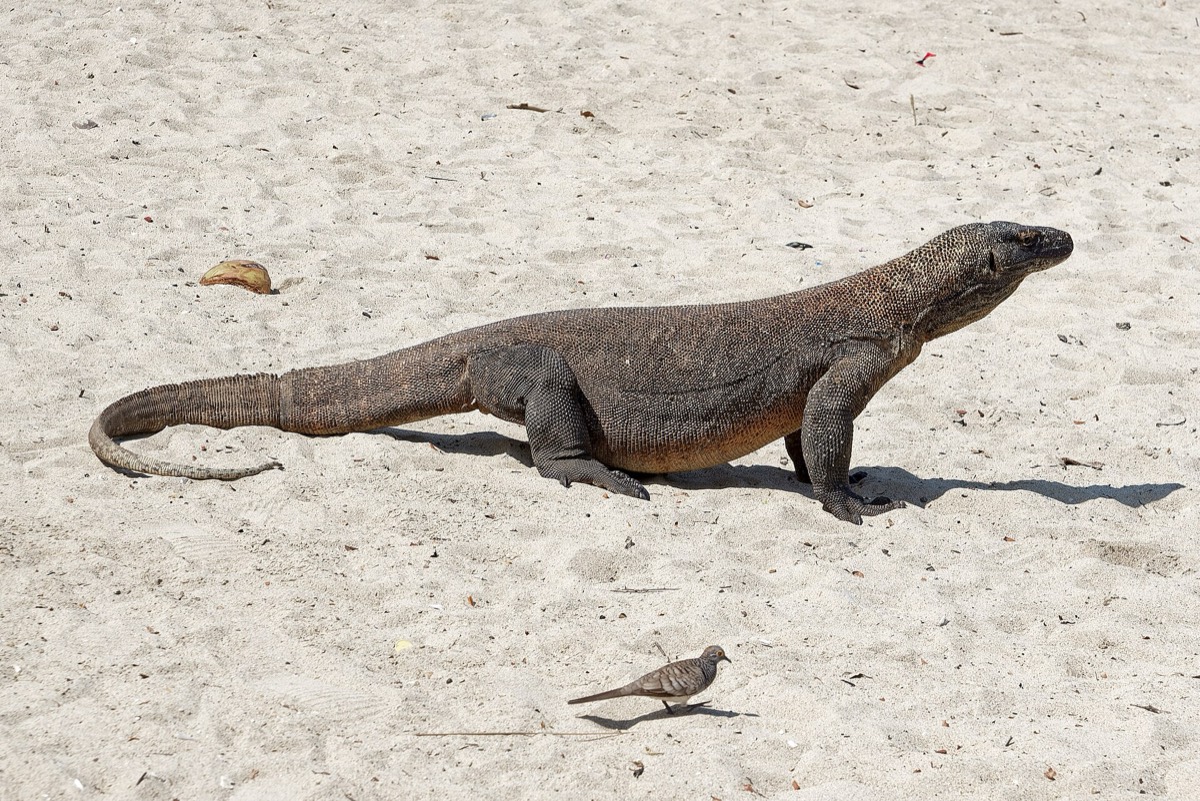
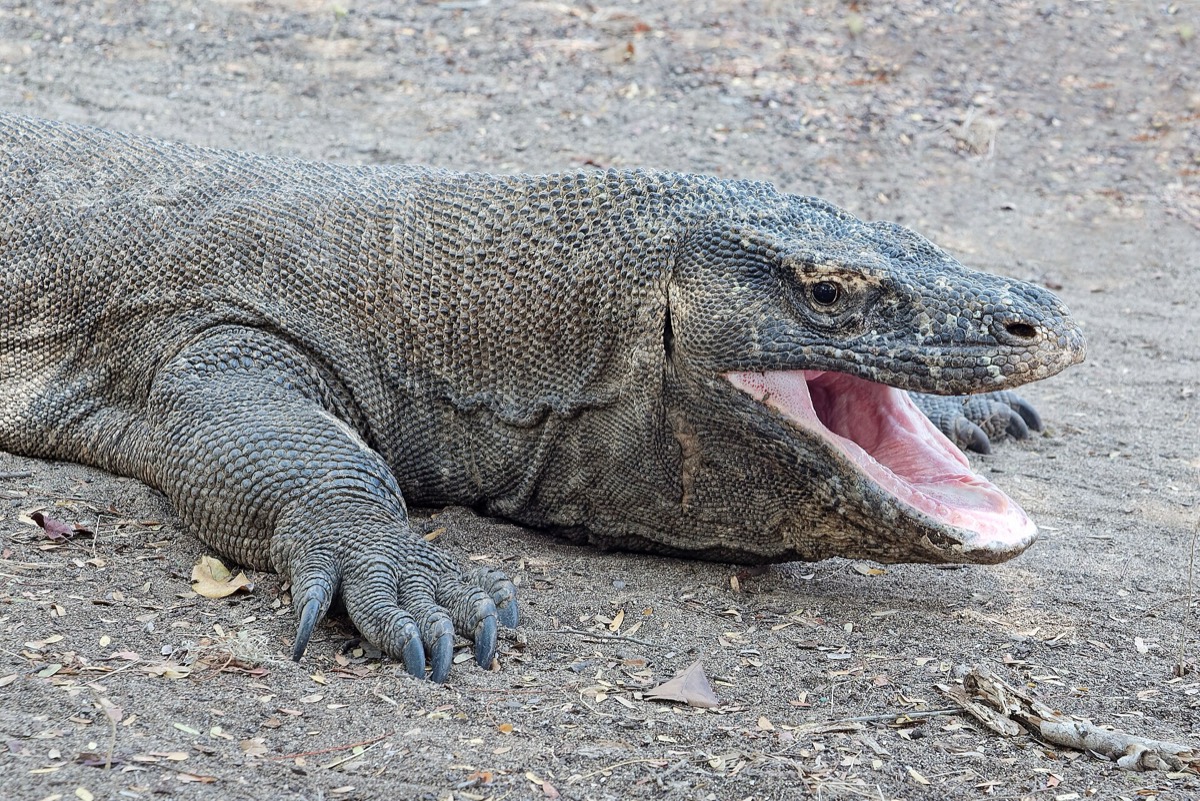
Nothing quite prepares you for the first one. You are walking through dry forest behind a ranger in a khaki shirt, the ground is pale and dusty, cicadas are deafening, and then there it is, lying across the path like a fallen log: three metres of grey scaled body, a tail as thick as your leg, and a long yellow tongue tasting the air in your direction.
Komodo Island is the most famous place in the park and the largest of the dragon islands. The walks start at Loh Liang, a bay on the east coast with a ranger station and a village a short distance away. Trails range from a short loop of an hour or so to longer hikes up to ridges with views across the island’s brown hills and green bays. Besides dragons you may see Timor deer, wild boar, water buffalo and the noisy orange-footed scrubfowl that build huge nest mounds the dragons sometimes dig into.
The landscape itself is half the reason to go. In the dry season Komodo looks more like East Africa than tropical Indonesia: open savannah dotted with lontar palms, steep bare slopes and clear blue sea at the edge of everything.
The story
Local people have always known the ora, as the dragons are called in the Komodo language. Rumours of giant land crocodiles reached the Dutch colonial administration in the early twentieth century, and in 1910 a Dutch officer on Flores, Lieutenant van Steyn van Hensbroek, went to see for himself and sent a skin and a photograph to Java. In 1912 Peter Ouwens, director of the zoological museum at Buitenzorg, now Bogor, described the animal scientifically as Varanus komodoensis.
The Ata Modo, the people of Komodo village, have a legend that explains why they live peacefully alongside the dragons. A princess known as the dragon princess gave birth to twins: a human boy, Gerong, and a female dragon, Orah. The two were raised apart and later met in the forest as strangers, until their mother stepped between them and told them they were siblings. Since then, the story goes, people and dragons have been family and should not harm each other.
Komodo National Park was established in 1980 to protect the dragons and their habitat, and it became a UNESCO World Heritage Site in 1991. The dragons hunt by ambush, can eat a large share of their body weight in one meal, and research published in 2009 showed that they have venom glands, overturning the old idea that only the bacteria in their saliva killed prey.

Getting there
Most visitors reach Komodo on a day trip by speedboat, which takes roughly one and a half to two hours each way, or as part of a longer wooden boat trip that also stops at Padar, Pink Beach and snorkelling spots. Agencies in Labuan Bajo sell both.
At Loh Liang you register, pay the park fees if they aren’t included in your trip, and are assigned a ranger. Walks can’t be done without one.
A suggested plan
- Early morningDepart Labuan Bajo by speedboat, ideally before 7am.
- MorningArrive at Loh Liang, register and set off on a guided trek in the cooler hours.
- Late morningWatch dragons near the ranger station and the waterholes, at the distance your ranger sets.
- MiddaySnorkel at a nearby reef or Pink Beach, often included in day trips.
- AfternoonReturn via another snorkel stop, back in town by late afternoon.
Where to stay
Base yourself in Labuan Bajo. Some boat trips overnight at anchor near Komodo, which gives you an early morning walk before the day boats arrive; there are also simple homestays in Komodo village, arranged locally.
Good to know
- Wear closed shoes, a hat and light long trousers; the trails are hot, dusty and thorny.
- Bring at least a litre and a half of water per person.
- Buy a carved wooden dragon or pearls from the village stalls if you want to support local families directly.
- Ask your ranger about the longer trails if you want fewer people and more landscape.
- Dragons are fast over short distances and their bite is dangerous. Never leave the group, never approach for a photo, and follow the ranger’s instructions exactly.
- Tell the rangers beforehand if you are menstruating or have an open wound; they may ask you to take extra care, as dragons are attracted by the smell of blood.
- Trails or parts of the island can close during the mating and nesting season, roughly July to September; check before you book.