Rinca: dragons, mangroves and a quieter trail
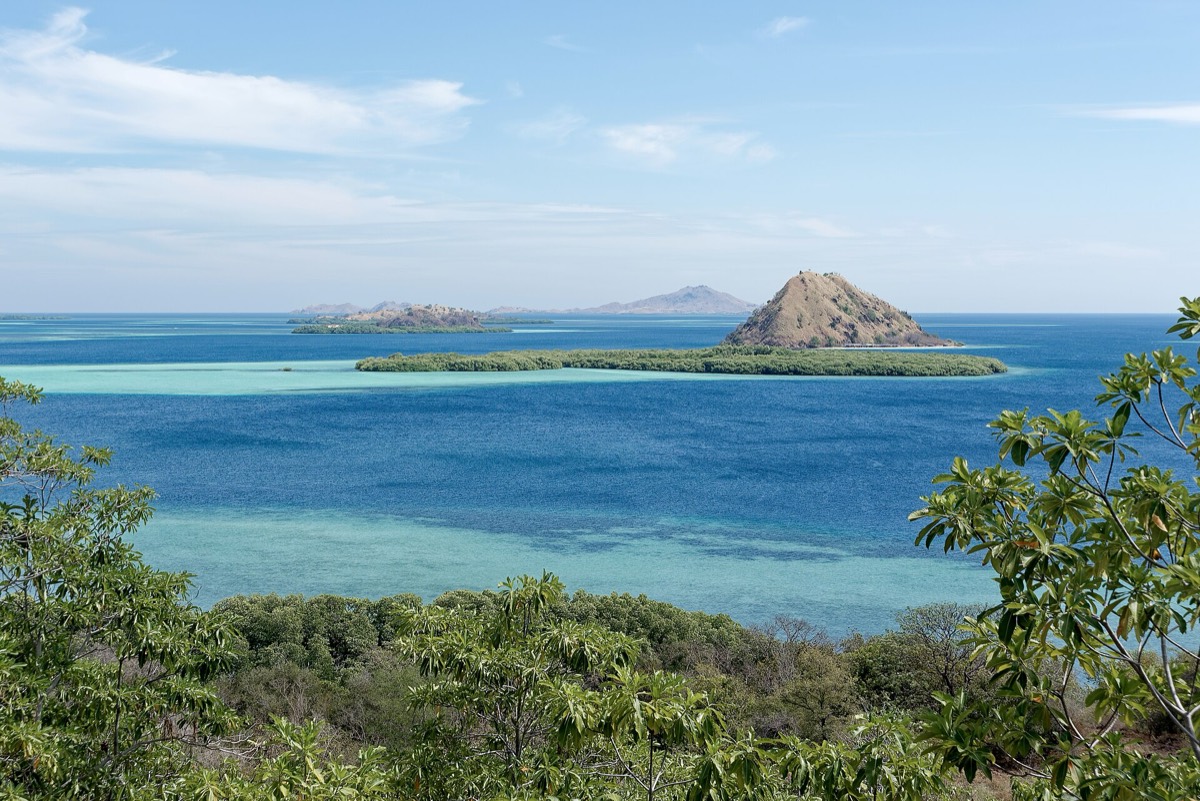
The closer of the two dragon islands, where mangrove channels open onto dry hills and the dragons often lie in the shade just a few steps from the boardwalk.

- Area
- Komodo National Park
- Start from
- Labuan Bajo
- Distance
- about 25 km by boat each way
- Time needed
- half a day to 1 day
- Best season
- April – November
- Difficulty
- Easy to Moderate
- Transport
- Boat from Labuan Bajo, then a guided walk
- Tickets & rules
- National park fees and a mandatory ranger guide; check current rules
Why go
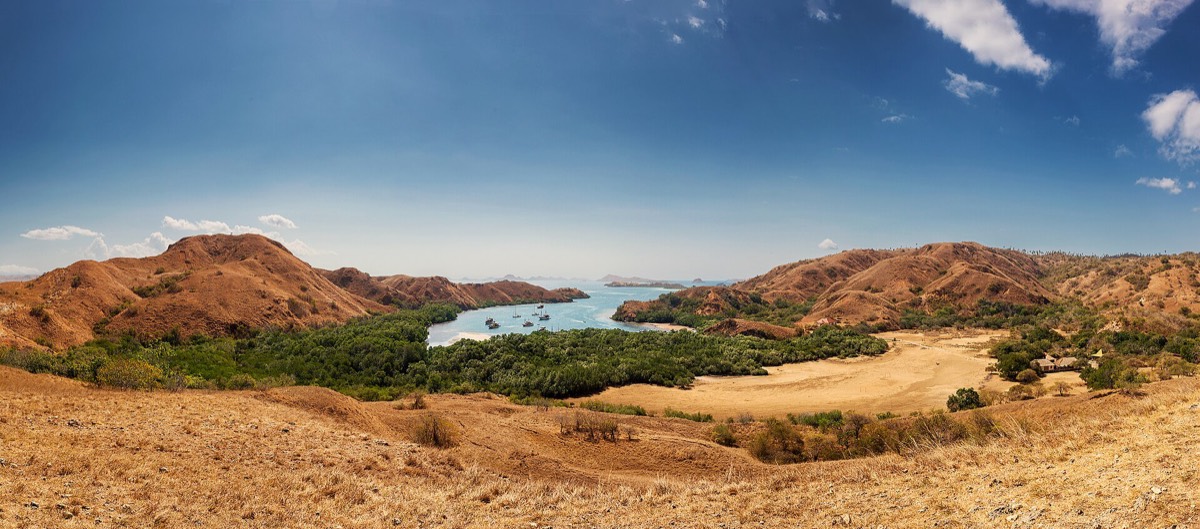
Rinca is the island many people visit first, simply because it is closer: around an hour or two by boat from Labuan Bajo depending on the vessel. It has a reputation, well deserved, for good dragon sightings. The ranger station at Loh Buaya, Crocodile Bay, sits at the end of a mangrove inlet, and dragons tend to gather nearby in the shade, attracted by the smell of the rangers’ kitchen.
Beyond the station, the trails climb into the dry hills. The longer walks lead past waterholes where buffalo wallow, through stands of tamarind and lontar, and up to bare ridges where you can look back over the inlet and the jumble of islands towards Flores. Long-tailed macaques watch from the trees, and in the dry season the grass turns the colour of straw.
Rinca feels a little rougher and wilder than Komodo, with smaller, steeper hills and fewer visitors on the longer trails. If you have time for only one dragon island, either is good. If you have time for both, Rinca in the early morning is a lovely start.
The story
Rinca is one of five islands in the park where dragons live today; the others are Komodo, Gili Motang, Gili Dasami and parts of the Flores coast. Each population is a little different, and scientists keep a close eye on the smaller ones, which are vulnerable to inbreeding and to changes in their prey.
The island has small villages too, mostly Bajau and Bimanese fishing families who arrived from Sumbawa and Sulawesi. Life in Rinca village, on the coast away from the trails, revolves around fishing and seaweed farming. Goats and chickens are kept in raised pens, and people have learned to live warily but calmly with the dragons in the scrub around them.
In the early 2020s the ranger station at Loh Buaya was rebuilt with a long elevated boardwalk, a visitor centre and viewing platforms. The project was widely discussed in Indonesia, and the new boardwalk keeps visitors at a safer height. Experienced rangers still lead the walks, and many of them grew up in the park’s villages and know individual dragons by sight.

Getting there
Many Labuan Bajo agencies run half-day or full-day trips to Rinca, often combined with snorkelling at Kelor or Kalong. You can also charter a small wooden boat with friends from the harbour and set your own pace.
At Loh Buaya you register, pay fees and meet your ranger. Choose a short, medium or long walk depending on time and heat.
A suggested plan
- Early morningLeave Labuan Bajo by boat around sunrise.
- MorningArrive at Loh Buaya, walk the boardwalk and take a medium or long trek.
- Late morningBack at the boat; snorkel at a nearby reef.
- AfternoonStop at Kelor for a short climb and a swim on the way back.
- SunsetOptional: anchor near Kalong to watch the flying foxes leave the mangroves.
Where to stay
Day trips from Labuan Bajo are the norm. Some overnight boat trips sleep at anchor near Rinca, which allows a walk in the cool, quiet early morning before the day boats arrive.
Good to know
- Go early; dragons are more active in the cool hours and the hills are brutal in the midday sun.
- Long trousers help against grass seeds and thorns.
- A wide-angle lens is more useful than a long one: the dragons are often closer than you expect.
- Dragons sometimes lie under the station buildings and boardwalk; always look before you step off it.
- Macaques can grab loose bags at the jetty.
- Boats can rock hard in the channel when wind and tide oppose; take seasickness tablets if you’re prone to it.