A rainy day in Kampot: pepper shops, cooking and coffee
When the monsoon closes in over Bokor, Kampot is a good town to be stuck in: a cooking class, a pepper tasting, old cafés and long afternoons with a book.
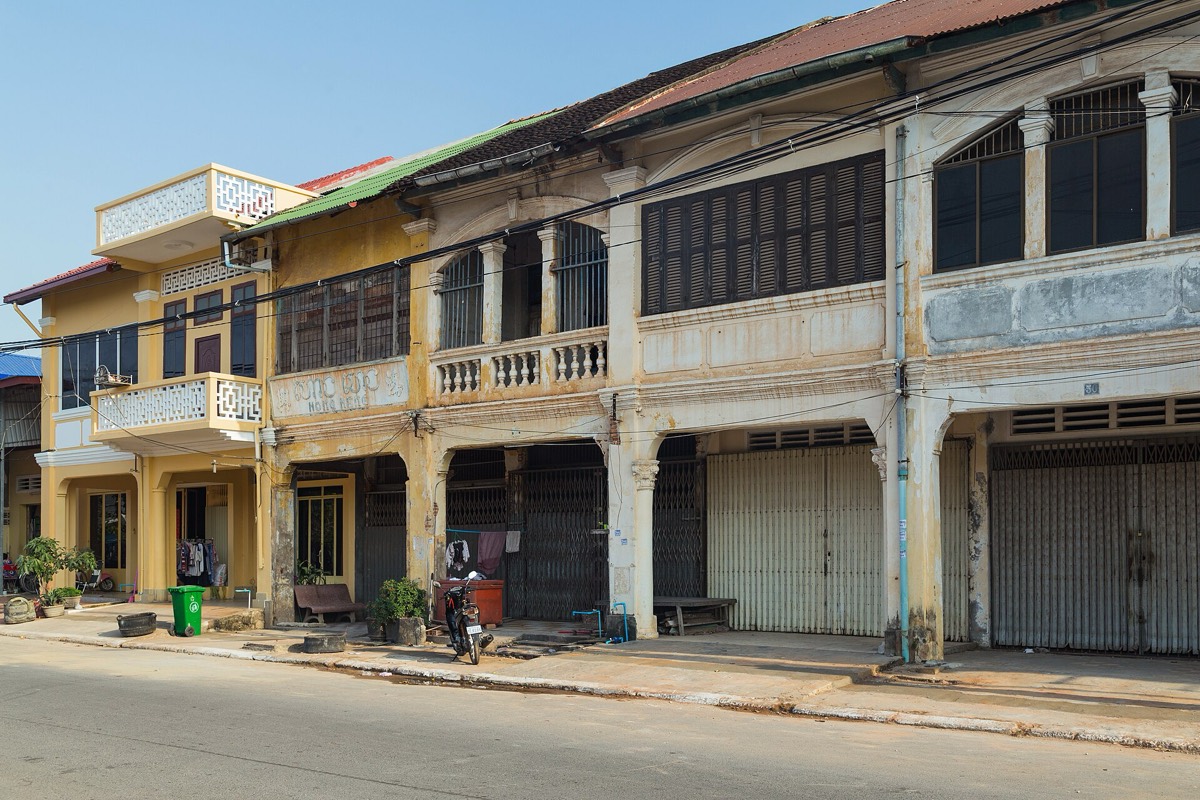

- Area
- Kampot town
- Start from
- Kampot old town
- Distance
- walking distance
- Time needed
- 1 day
- Best season
- Best in the rainy season, May – October
- Difficulty
- Easy
- Transport
- On foot, tuk-tuk for longer hops
- Tickets & rules
- Fees for cooking classes or any museum you visit
Why go
Between May and October the clouds pile up over Bokor almost every afternoon and then break with a roar. Rain on the tin roofs of Kampot is loud enough to stop conversation, and the streets turn into shallow brown streams within minutes. Then it stops, the air smells of wet earth, and everyone comes back out.
This is the route for those days. It is a loose collection of indoor things to do: learning to cook Khmer dishes, tasting the different colours of pepper, sitting in cafés in old shophouses, and browsing the small shops that sell local crafts, salt and spices.
It also suits travellers who simply want a slow day. Kampot is not a town of big sights, and a day spent eating, reading and watching the rain is not a wasted one.
The story
Kampot pepper is the town’s pride, and there is a lot to learn about it. The same vine gives four products: green pepper picked fresh, black pepper picked green and dried in the sun, red pepper picked fully ripe and dried, and white pepper made from ripe berries soaked and skinned. Tasting them side by side, the differences are startling, from the floral heat of black to the fruity sweetness of red.
In 2010 Kampot pepper became one of Cambodia’s first products with a protected geographical indication, and in 2016 it gained protected status in the European Union too. Producers have to follow rules about where and how it is grown, and the best shops will tell you which farm a batch came from.
Cooking classes in Kampot usually start with a trip to the market, where you learn to recognise the herbs, the prahok fish paste and the green papayas. Then you pound a kroeung, the spice paste of lemongrass, galangal, turmeric, kaffir lime and garlic that underpins dishes like amok and many soups.
The rainy season is also when Kampot is greenest. Rice fields fill, Bokor’s waterfalls roar, and prices for rooms drop. Many long-stayers prefer it.
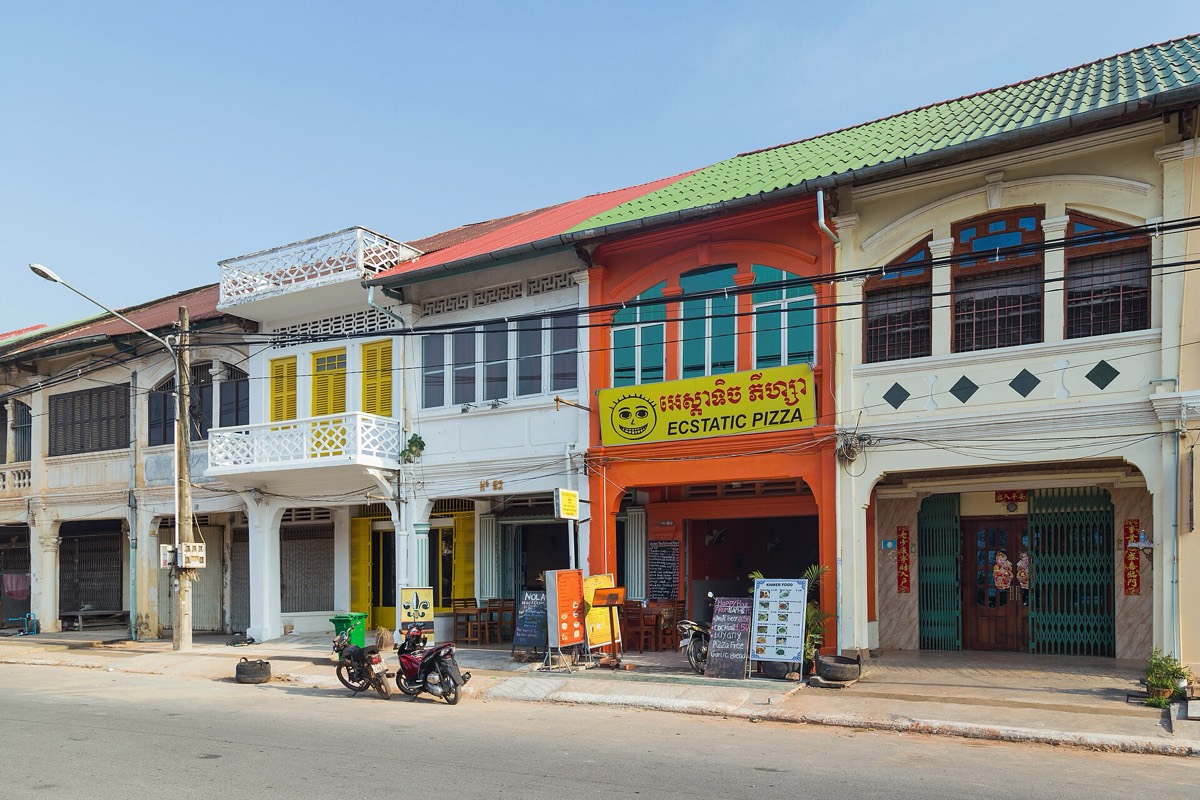

Getting there
Everything is in the centre of town or a short tuk-tuk ride away. Cooking classes are offered by several guesthouses and small restaurants; book a day ahead if you can. Pepper shops cluster around the old market and the riverfront.
A suggested plan
- MorningA cooking class that begins with a market visit; lunch is what you cook.
- Early afternoonPepper tasting at a shop selling certified Kampot pepper; buy a few small packets to take home.
- Mid-afternoonCoffee and a book in a café in an old shophouse while the rain falls.
- Late afternoonWhen the rain stops, a short walk along the steaming riverfront.
- EveningSoup or hotpot for dinner, which feels exactly right on a wet night.
Where to stay
An old-town guesthouse is best on wet days, so everything is within a short dash. Riverside bungalows upstream are atmospheric in the rain but can feel isolated.
Good to know
- Carry a cheap poncho rather than an umbrella; downpours often come with wind.
- Buy pepper in sealed bags with a certification label if you want the genuine article.
- Rain usually falls in the afternoon; plan outdoor things for the morning.
- Wear sandals rather than trainers; streets flood briefly after storms.
- Flooded streets hide potholes and open drains; walk where locals walk.
- Lightning storms are common; avoid the river and open fields during them.
- Mosquitoes, including those that carry dengue, are most active in the rainy season; use repellent day and night.