A rainy day: Museo Sugbo, the Cathedral Museum and old Cebu indoors
A former Spanish prison turned history museum, church treasures in a coral-stone house and a long lunch while the rain drums on the roofs.

- Area
- Cebu City
- Start from
- Downtown Cebu City
- Distance
- about 3 km with taxis
- Time needed
- 1 day
- Best season
- Best on wet days, June – November
- Difficulty
- Easy
- Transport
- Taxi or ride-hailing between stops
- Tickets & rules
- Small museum fees; check closing days
Why go
Cebu’s wet season brings heavy afternoon downpours and, now and then, a typhoon warning that grounds the ferries. On those days I head for the museums, which are small, quiet and full of stories that make the rest of the island make more sense.
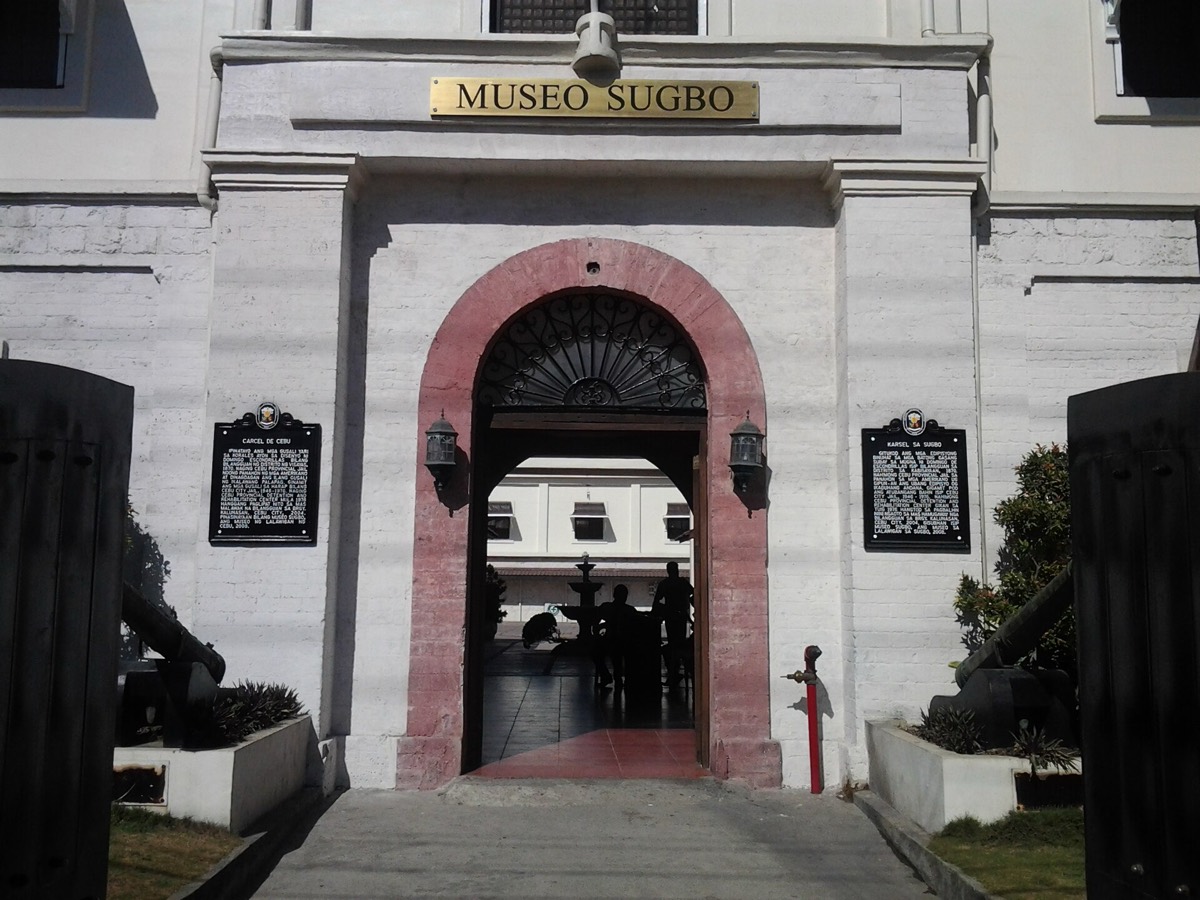
Museo Sugbo, in a 19th-century stone building on M. J. Cuenco Avenue, walks through the island’s past in a series of rooms around a courtyard: pre-Hispanic burial jars and gold, Spanish-era documents, the revolution, American rule, the war years. The building itself, a former provincial jail with thick walls and heavy doors, is part of the experience.
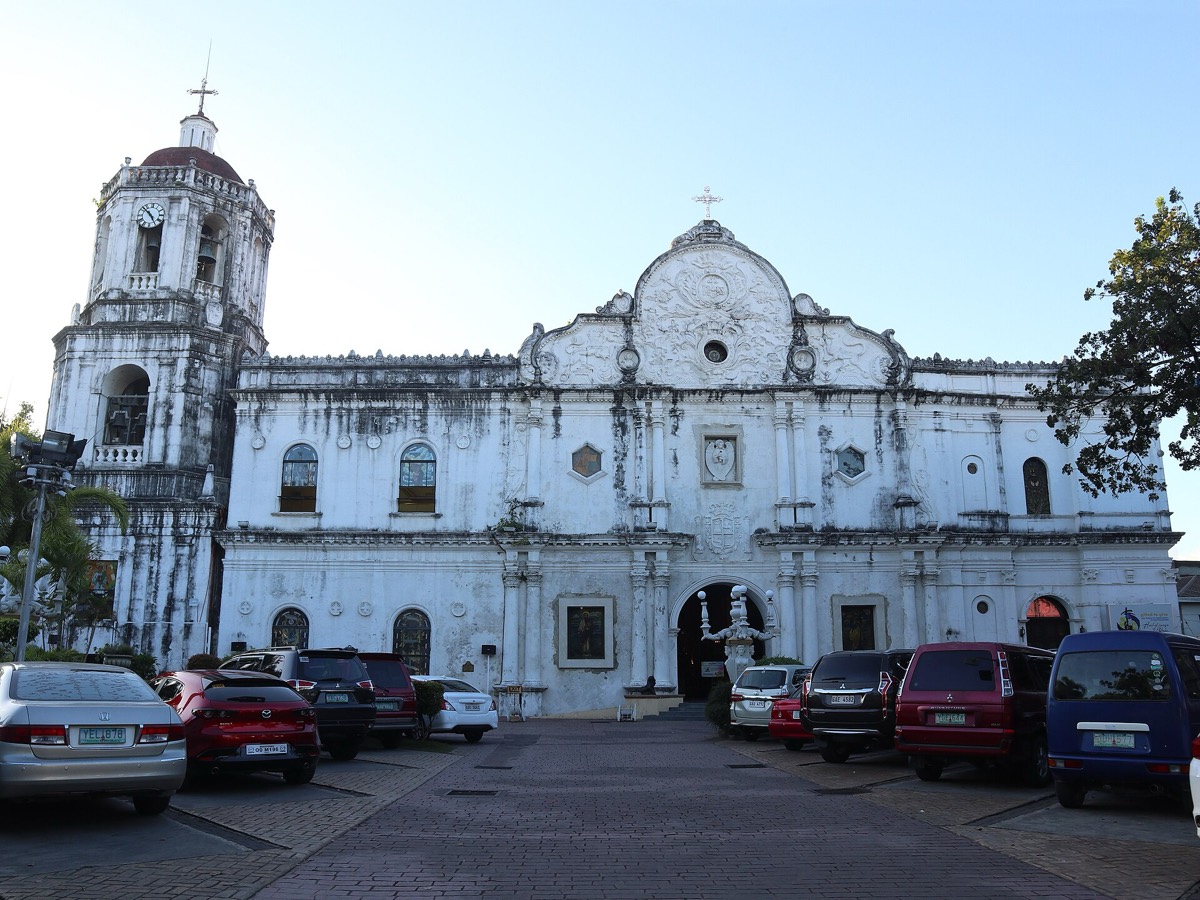
The Cebu Cathedral Museum, near the Metropolitan Cathedral, is housed in an old coral-stone parish building and holds religious art, carved santos, silver and vestments gathered from churches across the island. Upstairs you can find a reconstructed priest’s room and old ledgers, and the creaking floors and quiet make it a good place to wait out a storm.
The story
Museo Sugbo began life in the 1870s as the Cárcel de Cebu, the provincial jail, built of coral stone in the Spanish era. It kept that function for more than a century under different governments, and during the American and Japanese periods it held prisoners of the times. It became a museum in 2008, and one wing tells the story of those years.
The pre-colonial collections are the most surprising. Excavations around the old city have revealed trade ceramics from China and Southeast Asia, gold ornaments and burial goods showing that Cebu was a busy port long before 1521. Antonio Pigafetta, the chronicler on Magellan’s voyage, described the ruler’s wealth and the trade with Chinese and Siamese ships.
The Cathedral Museum’s building is one of the oldest in the city, once part of the cathedral complex. The cathedral itself was rebuilt several times, after fires and then after heavy bombing in the Second World War; parts of its facade survived and were restored.
There’s also a reminder in Museo Sugbo of how recent much of this history feels: old photographs of the port, of horse-drawn tartanillas, and of the city before the war, when Cebu was a prosperous trading hub for sugar, copra and abaca.

Getting there
Take a taxi or ride-hailing car between stops; on wet days, rides take longer and booking may surge, so allow extra time.
Museo Sugbo and the Cathedral Museum are both close to downtown and to the old-city route, so they combine easily.
A suggested plan
- 9:30Museo Sugbo: take it slowly, room by room, around the courtyard.
- 11:30Taxi to the Cathedral Museum and the Metropolitan Cathedral.
- 13:00Long lunch of lechon or a bowl of hot soup; wait for the rain to ease.
- 15:00The Basilica del Santo Niño museum, if open, or Casa Gorordo.
- EveningA café in IT Park or Ayala Center, and an early night.
Where to stay
The Ayala and IT Park areas are useful on wet days: covered malls, plenty of food and short taxi hops to the museums when it’s pouring.
Good to know
- Many museums close one day a week, often Monday; check before you go.
- Bring a light rain jacket rather than an umbrella; downpours come sideways with the wind.
- Photography rules differ by room; ask at the desk.
- Small cash for fees and donation boxes is useful.
- Low-lying streets flood quickly in heavy rain; don’t wade through deep water.
- During typhoon warnings, follow official advisories and avoid sea travel.
- Taxi drivers may refuse the meter during storms; agree a price or use an app.