The Parian: ancestral houses of the old Chinese quarter
Behind the noise of Colon Street, a 17th-century house of coral stone, a bishop’s family home and a bronze monument telling the whole story of Cebu.

- Area
- Cebu City
- Start from
- Parian, Cebu City
- Distance
- about 1.5 km on foot
- Time needed
- half a day
- Best season
- All year; mornings are cooler
- Difficulty
- Easy
- Transport
- On foot from Colon Street
- Tickets & rules
- Small entrance fees for the houses; check opening days
Why go
The Parian is easy to miss. Today it looks like any busy downtown neighbourhood, with hardware shops, tricycles and wires overhead, but for centuries it was the district where Chinese traders lived and married into local families. A handful of houses survive, and stepping inside them is like closing a heavy door on the century outside.
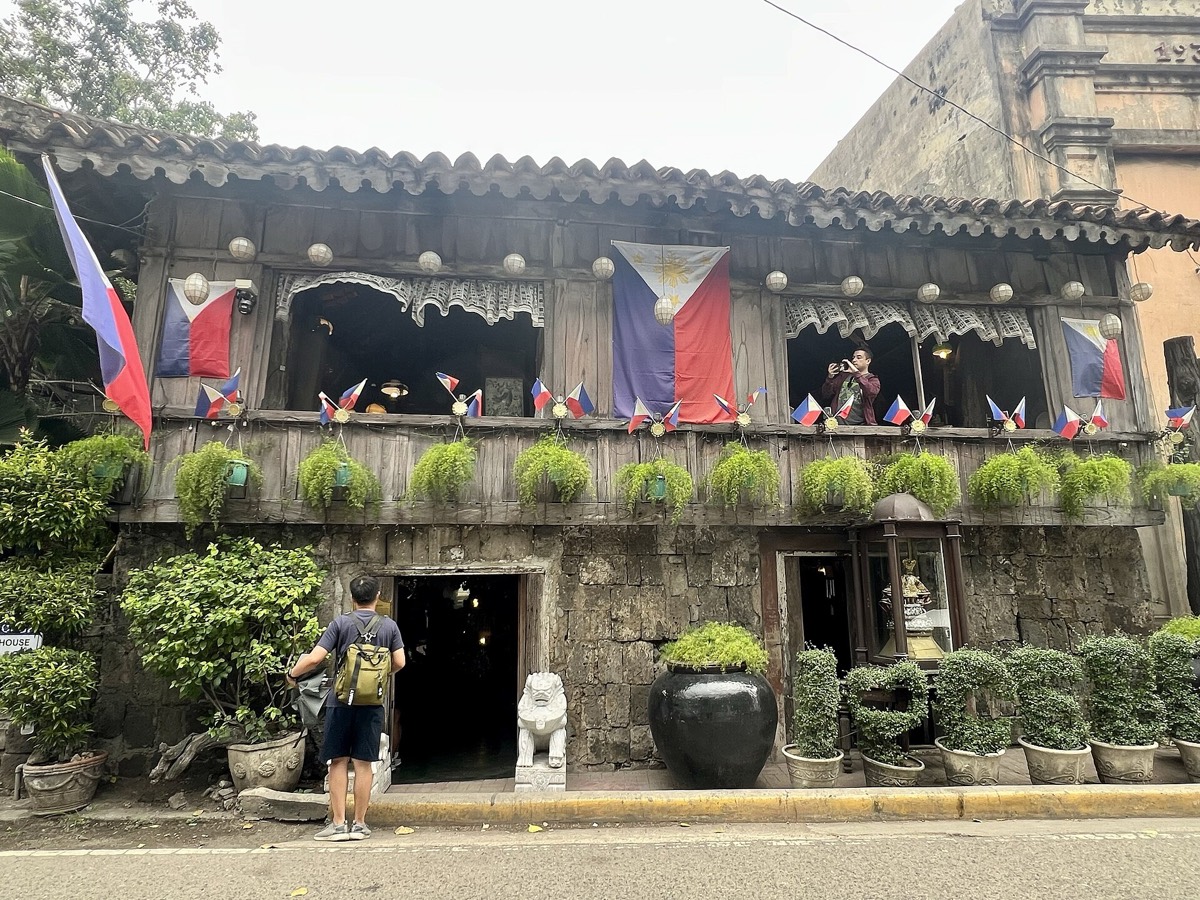
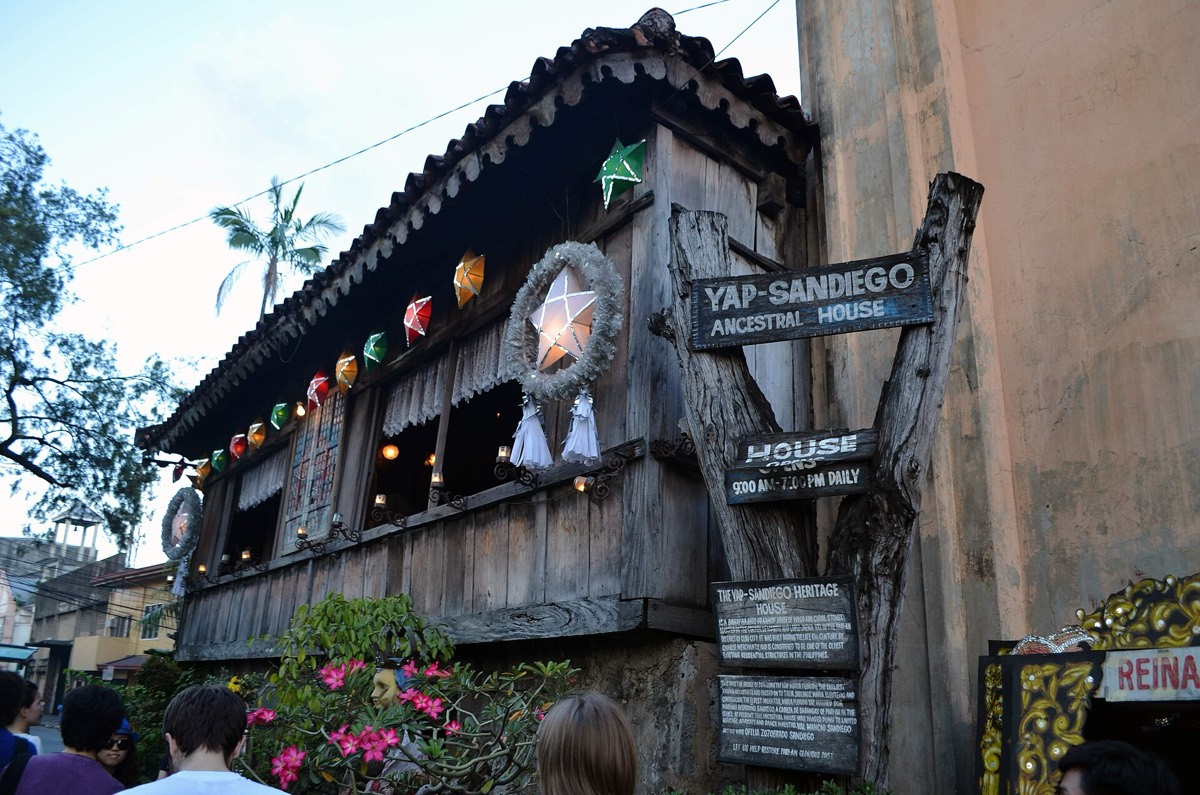
The Yap-Sandiego Ancestral House is my favourite: coral-stone walls on the ground floor, dark hardwood upstairs, creaking floorboards polished by generations of feet, religious statues, old furniture and a little garden. A few streets away, Casa Gorordo is a more formal museum, an elegant 19th-century house with capiz-shell windows sliding open over the street to let the breeze through.
Between them stands the Heritage of Cebu Monument, a crowded sculpture of concrete, bronze and steel that tells the island’s history in one chaotic tableau. I like to end at the Jesuit House of 1730, preserved inside what is now a working hardware warehouse, which says a lot about how Cebu treats its past: it uses it.
The story
Chinese merchants were trading in the Visayas long before the Spaniards came, bringing porcelain, silk and iron to exchange for gold, wax and forest goods. Under Spanish rule they were often required to live in designated districts called parianes, outside or beside the main settlement. Cebu’s Parian grew up beside the Spanish city, and by the 18th and 19th centuries many of its wealthy families were Chinese-Filipino mestizos who intermarried, converted and became part of the island’s elite.
The Yap-Sandiego house is generally dated to the late 17th century, which would make it one of the oldest surviving residential houses in the country. It was built by a Chinese merchant named Don Juan Yap and his wife, and later passed by marriage to the Sandiego family. Its present owner restored it and opened it to visitors, and it still feels lived in rather than curated.
Casa Gorordo was bought in the 1860s by Juan Isidro de Gorordo, a merchant from Spain, and was the family home of Juan Gorordo, who became the first Filipino bishop of Cebu in 1910. Today it is run as a museum showing how a well-off Cebuano family lived around the turn of the 20th century, down to the kitchen and the bathing room.
The Heritage of Cebu Monument, by the sculptor Eduardo Castrillo, was completed around 2000 on the site of the old Parian plaza. It packs in Rajah Humabon, Magellan’s ships, Lapu-Lapu, the Santo Niño, a Spanish galleon, Saint Pedro Calungsod and even a modern scene, a history lesson in one dense, sprawling knot.

Getting there
Walk from Magellan’s Cross along Colon Street and turn towards the Parian; it takes about 15 minutes. A taxi can drop you at the monument, which every driver knows.
Opening hours of the houses vary and some close on Mondays or public holidays, so check before setting out.
A suggested plan
- 9:00Start at the Heritage of Cebu Monument and walk around it slowly, reading the scenes.
- 9:45Yap-Sandiego Ancestral House: take your time upstairs and in the garden.
- 10:45Jesuit House of 1730, inside the hardware company compound.
- 11:30Casa Gorordo Museum and its small café or courtyard.
- LunchBack towards Colon for local rice meals, or a taxi to a lechon place.
Where to stay
Downtown has older, simpler hotels near Colon and the port; most visitors prefer to stay around Fuente Osmeña or IT Park and come down by taxi in the morning, before the traffic and the heat build up.
Good to know
- Go early: the houses are cooler and quieter before eleven.
- At the Yap-Sandiego house, take shoes off where asked and don’t lean on the old furniture.
- Combine this with the old-city route for a full heritage day.
- Bring water; there is little shade on the walk between houses.
- Traffic downtown is heavy and pavements are narrow; cross carefully.
- Keep bags closed and in front of you in the crowds around Colon Street.
- Opening days change; don’t assume a museum is open on a holiday.