Bojo River: a slow paddle through mangroves in Aloguinsan
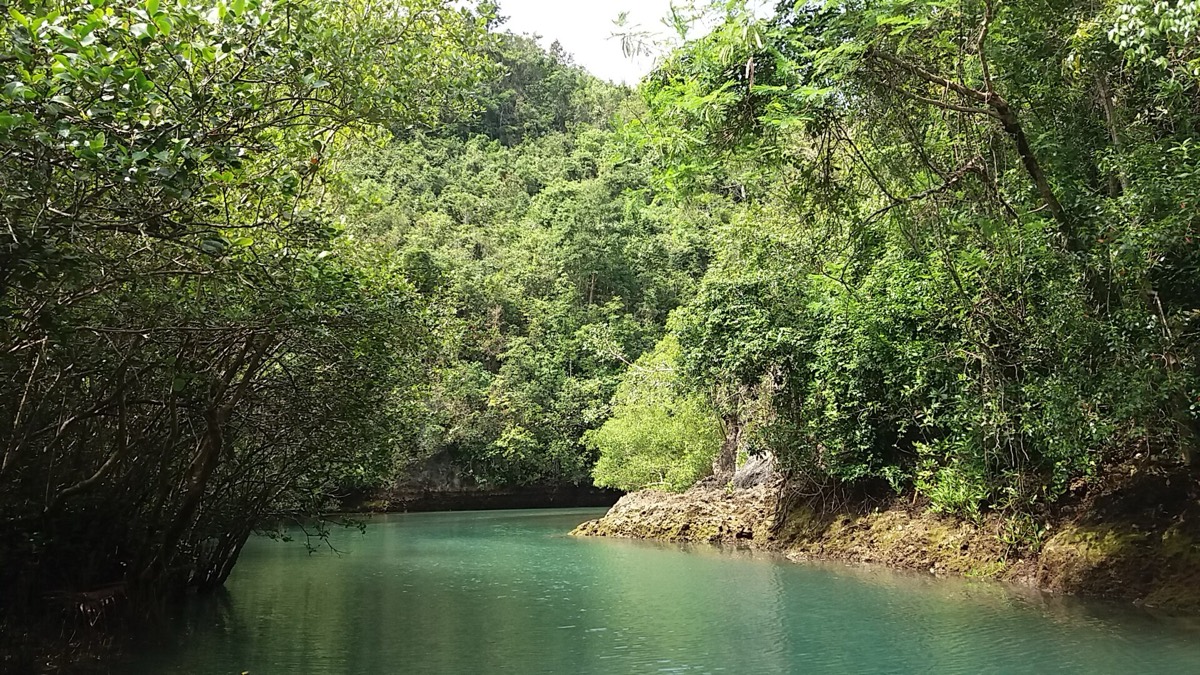
A quiet, community-run river trip through mangroves and limestone cliffs, ending where the river meets a clear blue sea.

- Area
- South coast
- Start from
- Aloguinsan, west coast
- Distance
- about 75 km from Cebu City
- Time needed
- 1 day
- Best season
- All year; calmest mornings, check tides
- Difficulty
- Easy
- Transport
- Bus or car to Aloguinsan, then tricycle
- Tickets & rules
- Community tour fee includes boat and guide
Why go
Bojo River is the kind of place I hope stays small. On Cebu’s quieter west coast, a local association of villagers takes visitors on a gentle boat ride down a green river framed by mangroves and limestone cliffs, with kingfishers flashing past and monitor lizards sliding off the roots.
There’s no engine noise: the guides paddle, and they talk about the river, the plants and how the community came together to protect it. At the mouth, the river opens into the sea, and you can swim or snorkel in water so clear you can see the bottom from the boat.
After the trip, many groups eat a simple lunch prepared by the community, often with fish, seaweed and local vegetables. It’s a small, unhurried day that feels very different from the busy tours elsewhere on the island.
The story
The Bojo River ecotour was set up by residents of Aloguinsan with support from local government and development groups, as a way to earn a living while protecting the mangroves and the river. Before tourism, some of the area had been cleared, and fishing was declining.
The project has won recognition as an example of community-based tourism in the Philippines, and the guides are local people, many of them former fishermen or farmers, who share stories of growing up on the river.
Mangroves matter: they shelter young fish, protect the coast from storms and store carbon. Along the river you see several species, their roots arching into the water, and the guides explain how each one copes with salt.
Aloguinsan itself is a quiet farming and fishing town. Nearby Hermit’s Cove is a small, rocky bay with clear water and a strip of sand, a lovely place for a swim after the river. The whole area remains far less visited than Moalboal, which is a large part of its charm, and the money from each tour fee goes back to the families who run it.
What struck me most was the pride of the guides. One of them pointed out the young mangroves his group had planted years before, now taller than him, and the spot where he used to catch crabs as a boy. It is tourism at the scale of a village, and it shows.
Getting there
Buses from Cebu South Bus Terminal heading to the west coast via Pinamungajan or Toledo can drop you near Aloguinsan; the trip takes around two to three hours. From town, tricycles go to the Bojo River ecotour centre.
A hired car from Cebu City or Moalboal makes it easier to combine with Hermit’s Cove.
A suggested plan
- 8:00Leave Cebu City or Moalboal for Aloguinsan.
- 10:00Register at the ecotour centre; short introduction from the guides.
- 10:30Paddle down the river; swim at the river mouth.
- 12:30Community lunch, if arranged.
- 14:00Hermit’s Cove for a swim, then return.
Where to stay
Moalboal is the nearest base with many options; a few simple resorts in Aloguinsan and nearby towns offer quieter stays.
Good to know
- Book ahead, especially if you want lunch.
- Bring reef-safe sunscreen and a hat.
- Tours may depend on tides; ask when booking.
- Bring cash; card payments are unlikely.
- Don’t touch or break mangrove roots.
- Keep noise down to avoid scaring birds.
- Currents at the river mouth can be strong; swim where the guides say.