Moalboal: swimming inside the sardine run
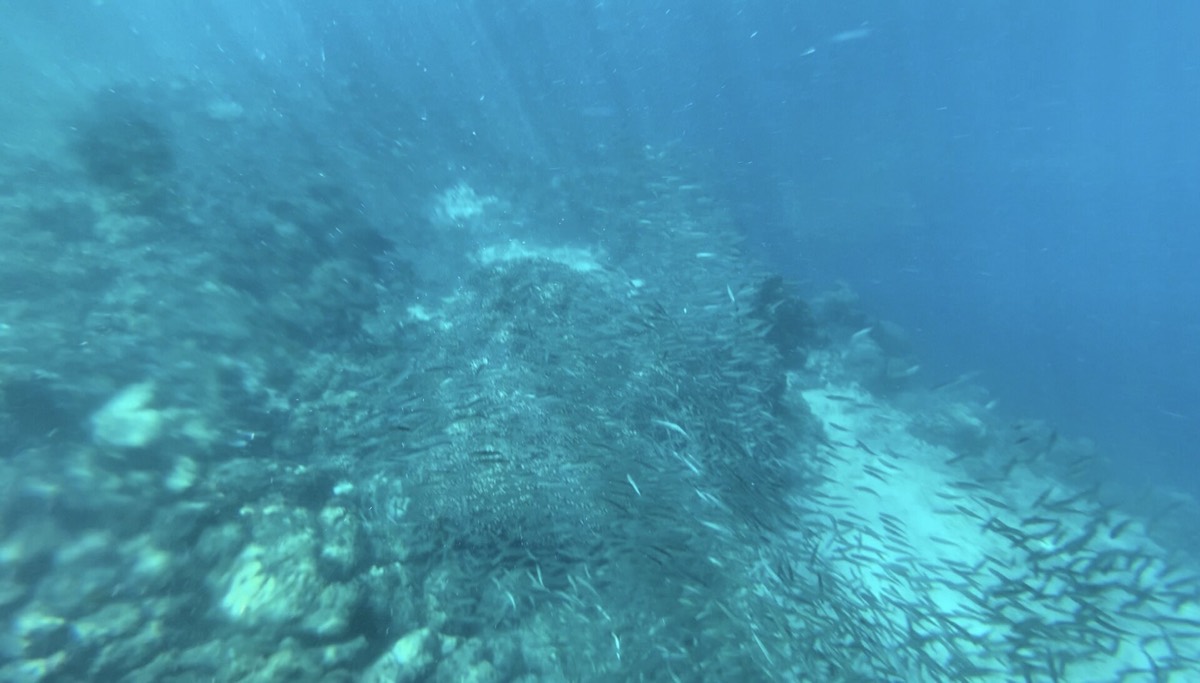
A few metres off a rocky beach, millions of sardines twist into a silver cloud that shifts and folds around you, with turtles grazing below.

- Area
- South coast
- Start from
- Panagsama Beach, Moalboal
- Distance
- about 90 km from Cebu City
- Time needed
- 2–3 days
- Best season
- All year; calmest seas roughly March – June
- Difficulty
- Easy
- Transport
- Bus or car from Cebu City, then tricycle
- Tickets & rules
- Small environmental or sanctuary fees in some spots
Why go
This is one of the most unforgettable swims I’ve ever had. At Panagsama Beach, the reef drops off steeply just offshore, and along that wall lives a huge school of sardines, millions of fish that move together as one body. You put on a mask and fins, swim a few strokes from the beach, and suddenly the light changes as they surround you.
The school twists, opens and closes, forming tunnels and walls of silver. When a jack or a tuna hunts, the whole cloud flashes and bursts open at once. Below, green sea turtles graze on the reef or come up to breathe beside snorkellers, quite unbothered.
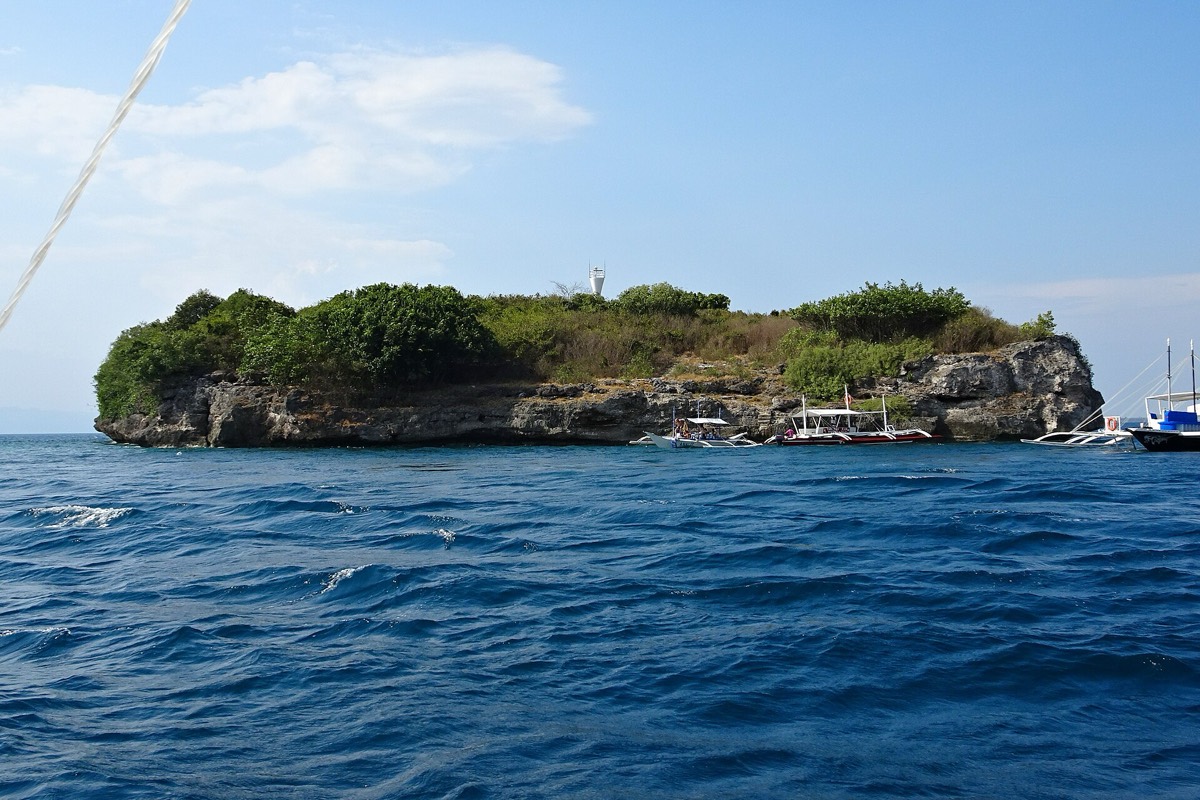
Moalboal itself is a laid-back dive town, with small resorts, dive shops and bars along the shore and fishermen in bangkas at dawn. A short boat ride away, Pescador Island is a beloved dive site, and White Beach, a little north, is a good swimming beach for a lazy afternoon.
The story
The sardines arrived in large numbers near Panagsama around 2010, according to divers who have worked there for years, and have stayed close to the reef ever since. No one is completely sure why; one theory is that protection of the reef and changes in fishing helped. The school moves along the coast and sometimes shifts depth, but for over a decade it has been reliably present.
Before the sardines, Moalboal was already known for diving. In the 1970s and 1980s, Pescador Island, a small rock surrounded by walls and a cavern locals call the Cathedral, drew divers from around the world. A typhoon in the 1980s damaged much of the shallow reef at Panagsama, and the town has slowly recovered.
The name Moalboal is said to come from a local word describing bubbling water, perhaps from springs near the coast. The town sits on the Tañon Strait, a deep channel between Cebu and Negros that is protected as a seascape and is visited by dolphins and, sometimes, whales.
December 2021’s Typhoon Rai, known locally as Odette, hit this coast hard, damaging resorts and reefs. Much has been rebuilt, and the sardines remained.

Getting there
Buses leave from Cebu South Bus Terminal for Moalboal via Barili; the trip takes about three hours. Ask to get off at the Moalboal junction and take a tricycle to Panagsama Beach (about 10 minutes). A private car takes about two and a half hours.
Moalboal is a good base for Kawasan Falls and Badian canyoneering, 30–40 minutes south.
A suggested plan
- Day 1 afternoonArrive, settle in, and do a first snorkel with the sardines before sunset.
- Day 2 morningEarly swim when the water is clearest; look for turtles.
- Day 2 middayBoat to Pescador Island to snorkel or dive the walls.
- Day 2 afternoonWhite Beach for swimming and lunch.
- Day 3Day trip south to Kawasan or Badian canyoneering.
Where to stay
Panagsama Beach has the most choice, from dive resorts to simple rooms; it’s busy but convenient for the sardines. White Beach (Basdaku) is quieter and sandier but needs a tricycle to the sardines.
Good to know
- You don’t need a boat or a guide: the school is right off the beach.
- Go early in the morning for clear water and fewer people.
- Wear fins: currents along the wall can pick up.
- Bring an underwater camera or phone case; the light is amazing.
- Don’t chase or touch turtles; give them space to surface.
- Watch for boat traffic along the shore; use a brightly coloured buoy if you can.
- Sea urchins sit in the rocky shallows at the entry; wear water shoes.