Weavers and potters: Sukarara and Banyumulek
Two craft villages in the middle of the island where Sasak women weave songket on backstrap looms and families shape clay pots by hand, as they have for generations.

- Area
- Central Lombok
- Start from
- Mataram or Kuta
- Distance
- about 40 km by road
- Time needed
- half a day
- Best season
- All year; a good rainy-day option
- Difficulty
- Easy
- Transport
- Car or scooter
- Tickets & rules
- None; tipping or buying is appreciated
Why go
Lombok has a strong tradition of crafts, and the easiest way to see it is in the villages that specialise in them. Sukarara, in Central Lombok, is the weaving village. Walk down its main street and you will hear the clack of wooden looms from verandas and shops, where women sit on the floor with a backstrap loom around their waists and weave cloth thread by thread.
The best work is songket, cloth woven with supplementary threads, often gold or silver, that make patterns float on the surface. A large piece can take weeks or months. You can watch, ask questions, try the loom yourself and, if you want, buy directly from the weavers.
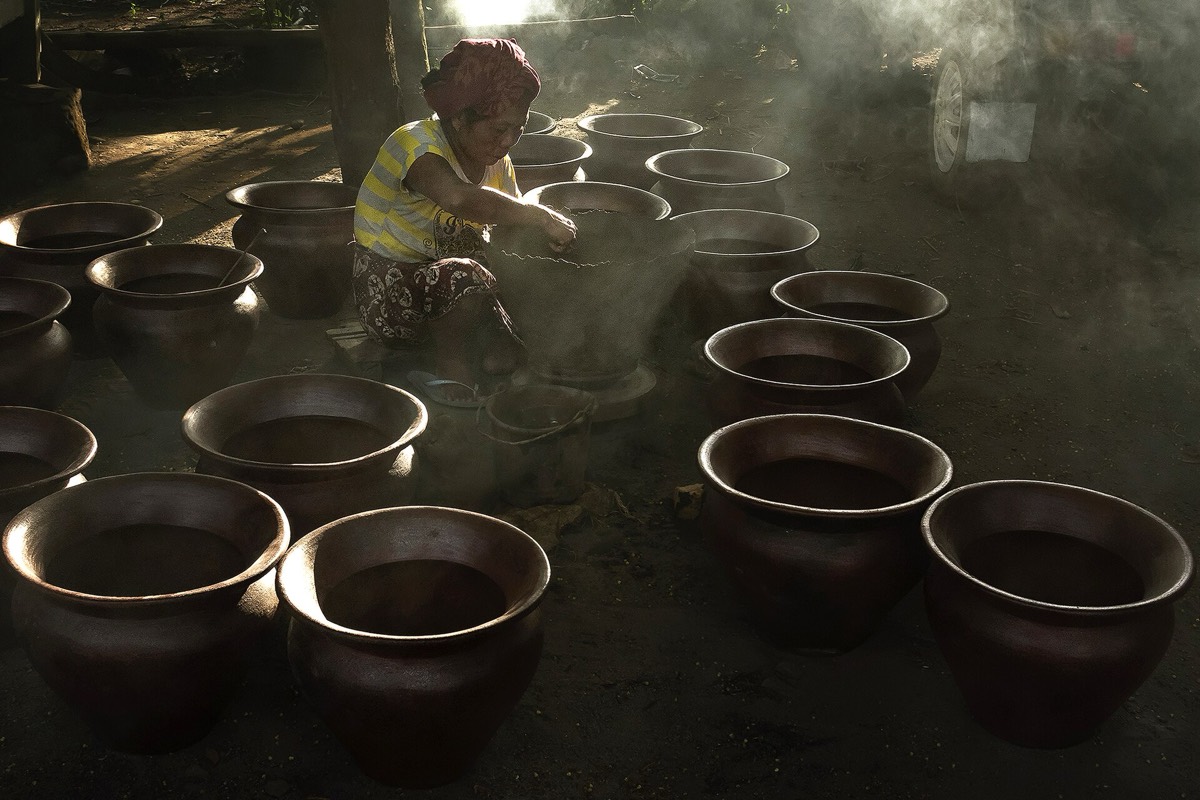
Banyumulek, closer to Mataram, is the pottery village. Here families make tall water jars, cooking pots and decorative pieces from local clay, shaping them by hand and with paddles, then firing them in open fires. The finished pots are often covered in woven rattan or polished to a soft shine.
The story
In Sasak tradition, weaving was once a skill every young woman was expected to learn. In Sukarara, people say that a girl had to be able to weave before she could marry. Whether or not the rule is followed strictly today, many women in the village still learn from their mothers and grandmothers, and you will see girls practising beside older weavers.
Patterns carry meaning. Some motifs come from nature, like plants and animals; others mark social status or ceremony. Certain cloths are made for weddings or used in rites of passage. Colours used to come from natural dyes such as indigo, mengkudu root and bark, and some weavers are going back to them.
Pottery in Lombok became better known from the 1980s, when development projects helped village potters find new markets for their work. Banyumulek, Penujak and Masbagik are the best-known pottery villages, each with its own style. The pots are made mostly by women, using techniques that need no wheel.
These crafts have become an important source of income for village families. Buying directly helps, but the main thing is time and interest: ask how a piece was made, how long it took and what it means, and you will usually be shown far more than you expected.
Getting there
Sukarara is about half an hour from the airport and roughly forty-five minutes from Kuta; Banyumulek is closer to Mataram. Many drivers combine them with Sade on the way between the south and the west.
Both villages are easy to find; shops along the main road display their work.
A suggested plan
- MorningDrive to Sukarara and watch weavers at work; try the loom.
- Late morningAsk about natural dyes and the meaning of patterns; buy if something speaks to you.
- MiddayLunch on the way at a local warung.
- AfternoonBanyumulek: watch potters shape and fire their work.
- Late afternoonContinue to Mataram, Senggigi or back to Kuta.
Where to stay
An easy half-day from Kuta, Mataram or Senggigi.
Good to know
- Larger shops may be more commercial; small home workshops are often more interesting.
- Real songket is expensive; cheaper pieces may be machine-made.
- Bubble wrap and tape help if you buy pottery to carry home.
- A small tip is appreciated if you take photos.
- Some guides take you to particular shops for commission; feel free to move on.
- Bargain politely; prices often start high.
- Ask before photographing weavers at work.