Sade, Ende and Rambitan: Sasak villages of the south
Thatched houses with floors polished with buffalo dung, rice barns that became the island’s symbol and an old mosque on a hill: a glimpse of traditional Sasak life near Kuta.

- Area
- South coast
- Start from
- Kuta Lombok
- Distance
- about 20 km round trip
- Time needed
- half a day
- Best season
- All year
- Difficulty
- Easy
- Transport
- Car or scooter
- Tickets & rules
- Donation and local guide fee
Why go
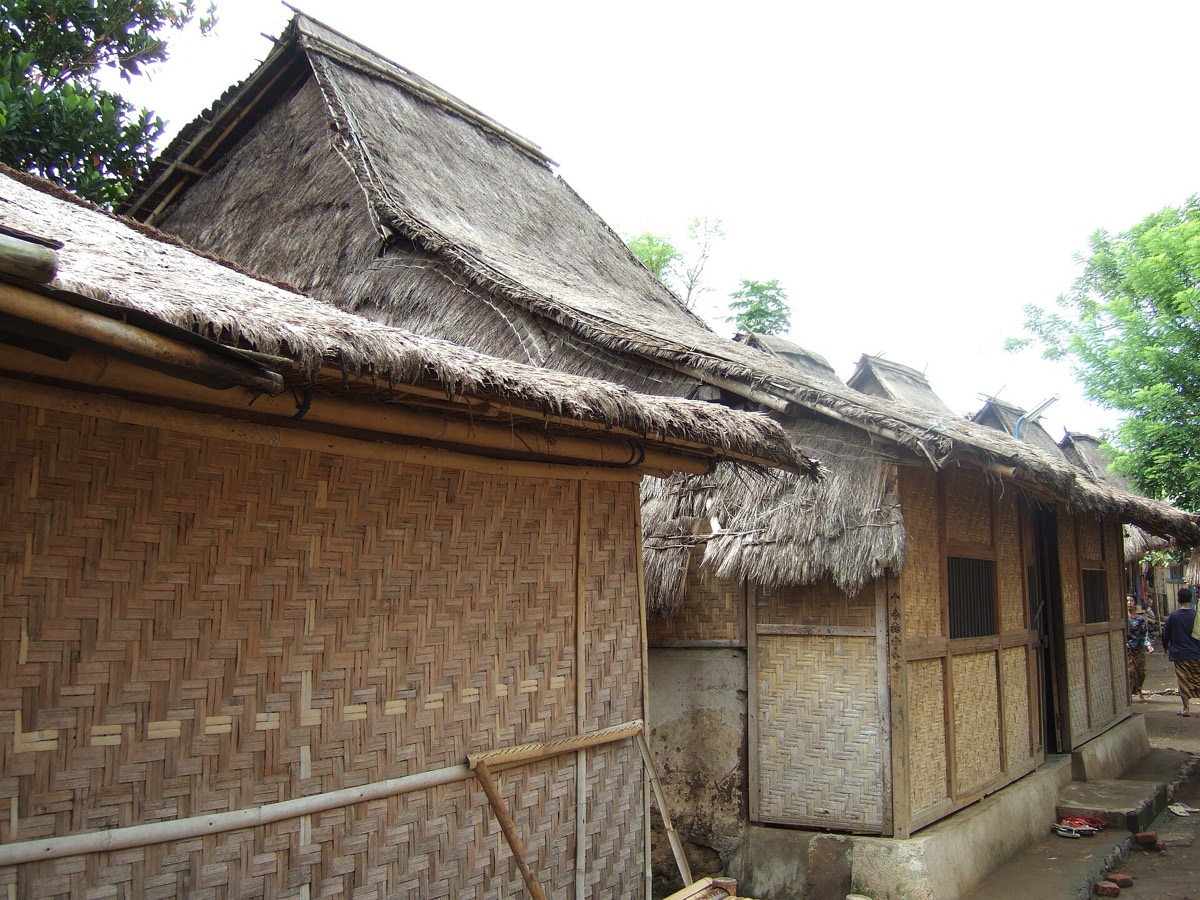
On the road north from Kuta, a few villages keep the old Sasak style of building. Sade is the best known: a cluster of thatched houses on a gentle slope, with steep roofs of alang-alang grass, walls of woven bamboo and floors of earth mixed with buffalo dung. Paths wind between the houses, and in the middle stand the lumbung, the tall rice barns with their distinctive rounded roofs.
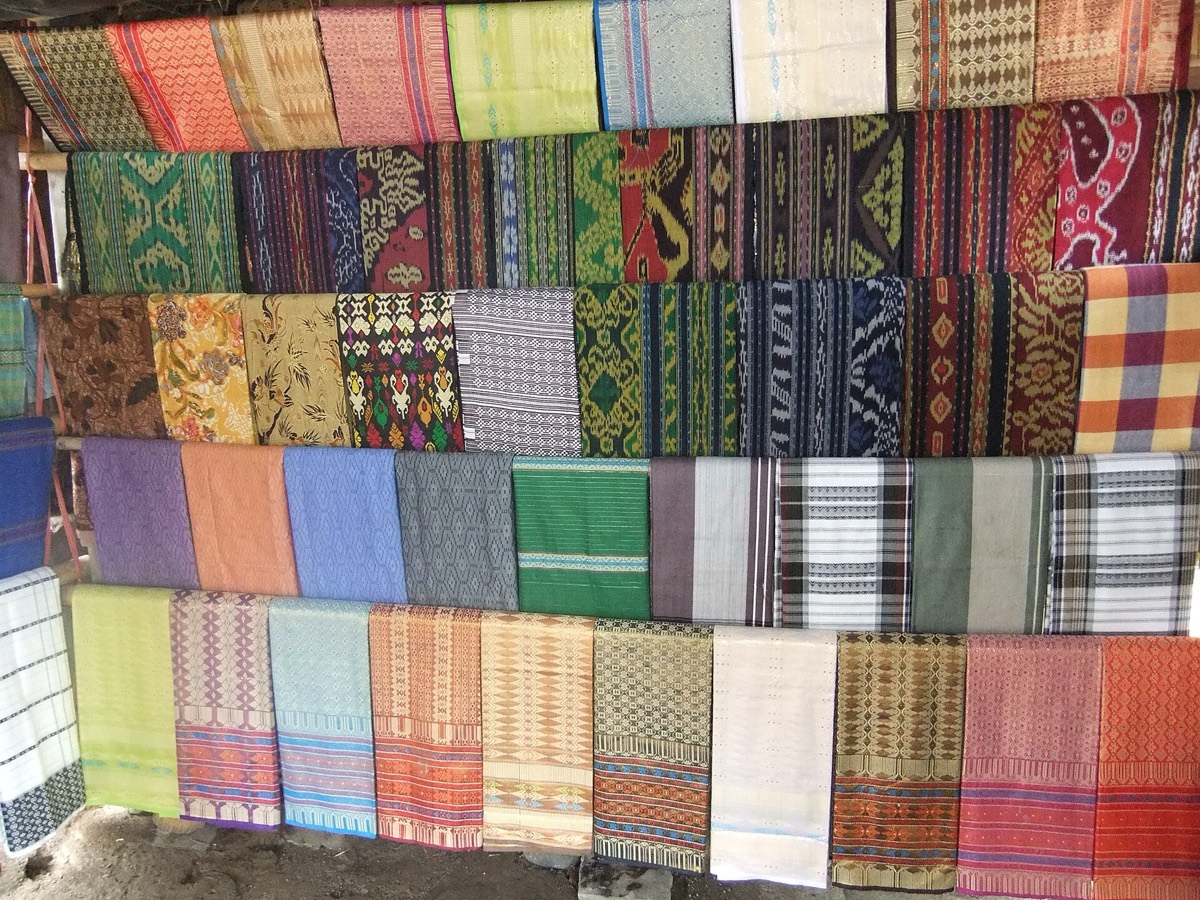
A resident guide walks you round, shows the inside of a house, explains the platforms and hearth, and introduces weavers working on the verandas. It is very much on the tourist trail, but it is still a lived-in village, and the explanations are good.
Ende, a few kilometres away, is smaller and quieter, with a similar style of houses and fewer visitors. And at Rambitan, on a hill nearby, stands an old mosque with a thatched roof that is one of the oldest on the island.
The story
The Sasak are the indigenous people of Lombok, making up the large majority of the island’s population. Their language is related to Balinese and Sumbawan, and their culture blends Islam with older customs. Villages like Sade keep a form of traditional life that has largely disappeared elsewhere.
The floors of Sade’s houses are polished with buffalo dung mixed with earth, renewed regularly. Residents say this keeps the floor hard, repels insects and keeps the house cool. The smell fades quickly, and the result is surprisingly clean and smooth.
The lumbung rice barn has become the symbol of Lombok. You see its shape on hotel roofs, airport signs and souvenirs. In the village it was a practical building: raised on posts to keep out rats, with a round roof to shed rain. Traditionally only certain family members could enter the barn to take rice.
Masjid Kuno Rambitan, the old mosque at Rambitan, is often said to date back to the early spread of Islam in Lombok. It is a small, simple building with a thatched roof, set among graves on a hill with a wide view of the countryside.

Getting there
Sade is on the main road between Kuta and the airport, about fifteen minutes north of Kuta. Ende is a few minutes further. Rambitan is just off the same road.
Easy by scooter or as a stop on the way to or from the airport.
A suggested plan
- MorningSade: walk the village with a resident guide.
- Late morningWatch weaving demonstrations; buy directly if you wish.
- MiddayDrive to Ende for a quieter visit.
- AfternoonRambitan old mosque, then back to Kuta for a swim.
Where to stay
Visit from Kuta Lombok, the nearest base.
Good to know
- Give the donation to the official guide, not to random people.
- Ask before photographing people.
- Wear modest clothes, as in any village.
- Combine with Sukarara on the way to the airport.
- Sade can feel commercial, and sellers may be persistent; a polite no is fine.
- Mind your head in low doorways.
- Don’t touch ritual objects in the houses.