Tarsiers in the Corella forest
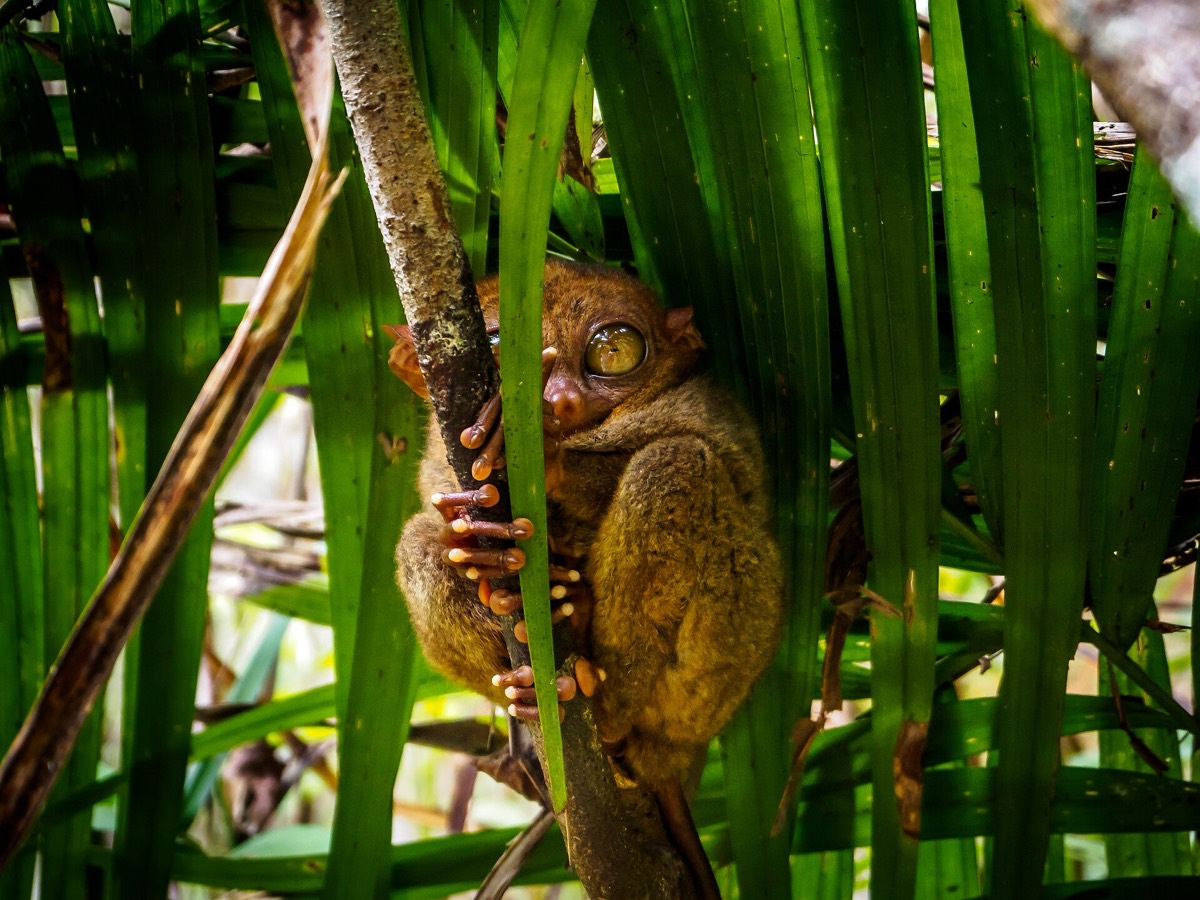
In a patch of secondary forest near Corella, a conservation sanctuary lets you see the Philippine tarsier, a palm-sized primate with enormous eyes, without cages or crowds.

- Area
- Bohol interior
- Start from
- Tagbilaran
- Distance
- about 12 km
- Time needed
- half a day
- Best season
- All year
- Difficulty
- Easy
- Transport
- Tricycle, hired car or scooter
- Tickets & rules
- Entrance fee; no flash, no touching, voices low
Why go
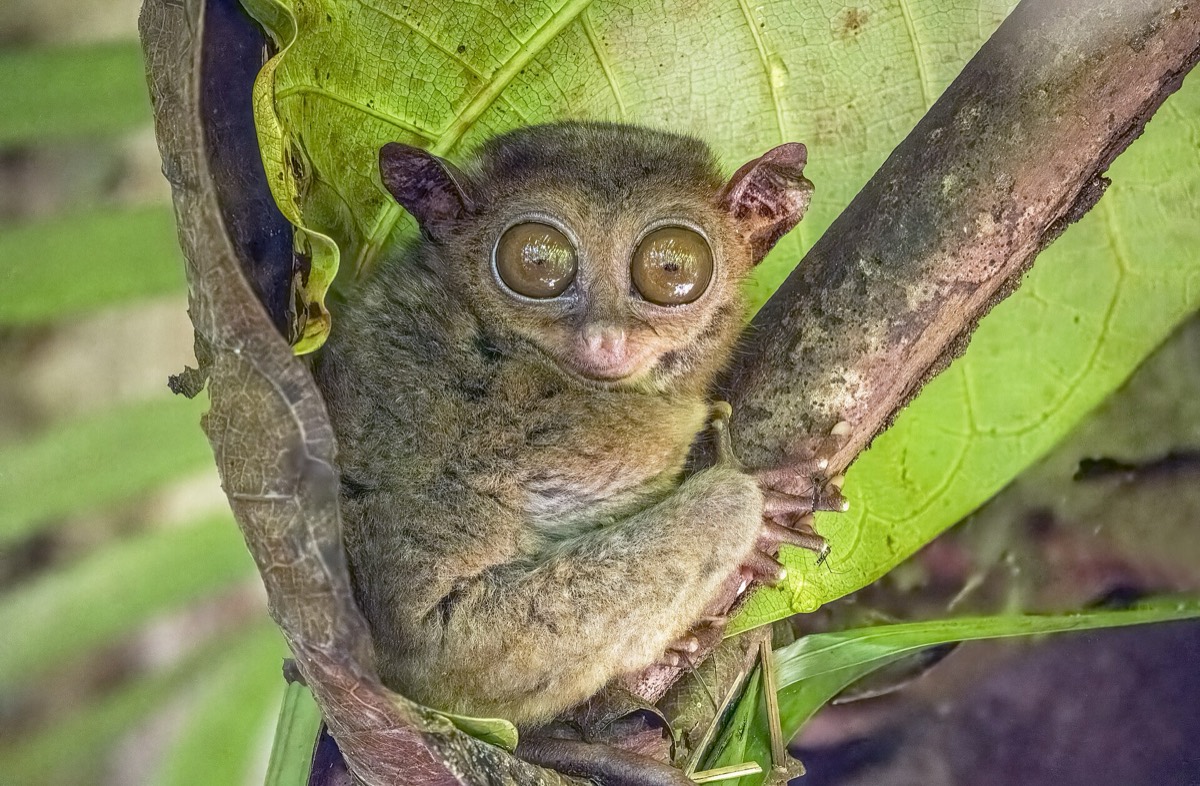
The first tarsier I saw was clinging to a thin branch about a metre above my head, perfectly still, its eyes so large that the rest of its face seemed an afterthought. It was smaller than my fist. Then it turned its head almost all the way round to look behind it, and the whole group of visitors drew in a breath at once.
The sanctuary near Corella is run as a conservation project, not a zoo. The animals live in a fenced area of forest and choose their own sleeping spots; in the morning a guide checks where they are and leads small groups along a short path to see a few of them. You may see three or four, sometimes fewer. That is the point.
It is a quiet, shaded place, and the walk is short and easy. After the bright glare of the hills and the coast, the green half-light under the trees is a relief, and the hush the guides insist on makes everyone slow down.
The story
The Philippine tarsier, Carlito syrichta, lives on Bohol, Samar, Leyte and parts of Mindanao. Its body is roughly 10 to 15 cm long, with a much longer tail, and each eye is said to be about as large as its brain. Because the eyes cannot move in their sockets, the animal turns its head instead, up to about 180 degrees in each direction.
Tarsiers are nocturnal hunters. At night they leap between trees and catch insects, small lizards and sometimes birds. During the day they sleep clinging to vertical branches, and noise, handling and camera flashes stress them badly. There are well-documented stories of stressed captive tarsiers harming themselves, which is why the rules at the sanctuary are so strict.
For years, roadside attractions near Loboc kept tarsiers in small enclosures for tourists to pose with. The Philippine Tarsier Foundation, set up in the 1990s, created the Corella sanctuary to offer a better model, combining protection, research and education. It is the place most conservationists recommend.
Boholanos have their own name for the animal, mamag, and older people in the hills tell stories of tarsiers as companions of forest spirits. Some say that it is bad luck to bring one home, which in hindsight was very good advice.

Getting there
The sanctuary is in Canapnapan, Corella, roughly 30 minutes from Tagbilaran by road. Tricycles and drivers know it; ask specifically for the Philippine Tarsier Foundation sanctuary in Corella so you are not taken to a roadside enclosure.
It combines well with the Loboc river and the Chocolate Hills on a full-day countryside tour, but it is also close enough for a relaxed half day.
A suggested plan
- 8:30Leave Tagbilaran or Panglao; the sanctuary is calmest in the morning.
- 9:15Short introduction at the visitor centre, then a slow guided walk to see the tarsiers.
- 10:15Visit the small exhibits about tarsier biology and forest conservation.
- 11:00Continue to Loboc for a river lunch, or return to the coast.
Where to stay
Panglao or Tagbilaran are the natural bases; there is no reason to sleep in Corella unless you are walking the countryside.
Good to know
- Turn off flash before you arrive and keep your phone on silent.
- A telephoto lens or binoculars help, as the animals are often a little above eye level.
- Visits are short, so pair this with Loboc or Baclayon the same morning.
- Avoid any place that lets you hold, touch or feed tarsiers.
- Don’t tap branches or try to get a tarsier to open its eyes for a photo.