Balicasag: turtles and the wall
A small, flat island off Panglao surrounded by a protected reef, where turtles graze in the shallows and the coral wall drops steeply into the deep.

- Area
- Panglao & reefs
- Start from
- Alona Beach
- Distance
- about 6–8 km by boat
- Time needed
- half a day
- Best season
- All year; calmer December – May
- Difficulty
- Moderate
- Transport
- Banca boat from Panglao
- Tickets & rules
- Marine sanctuary fees; separate fees for snorkelling and diving
Why go
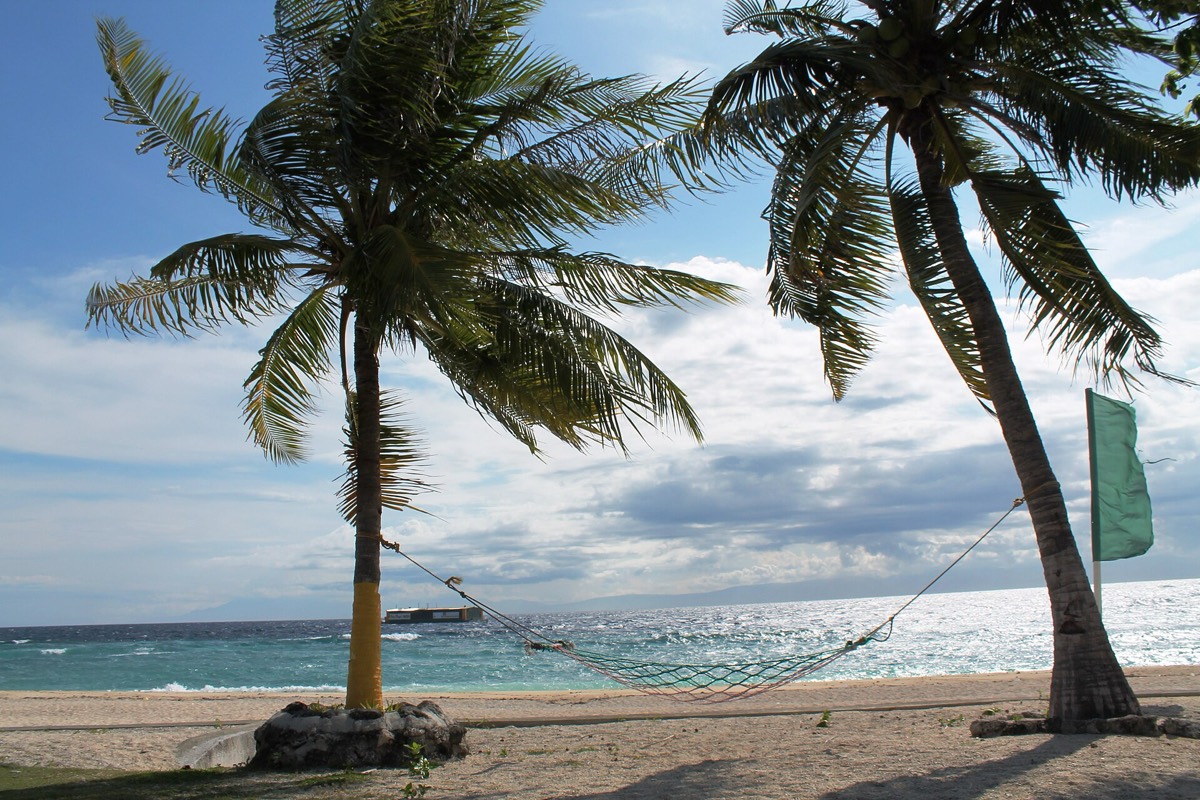
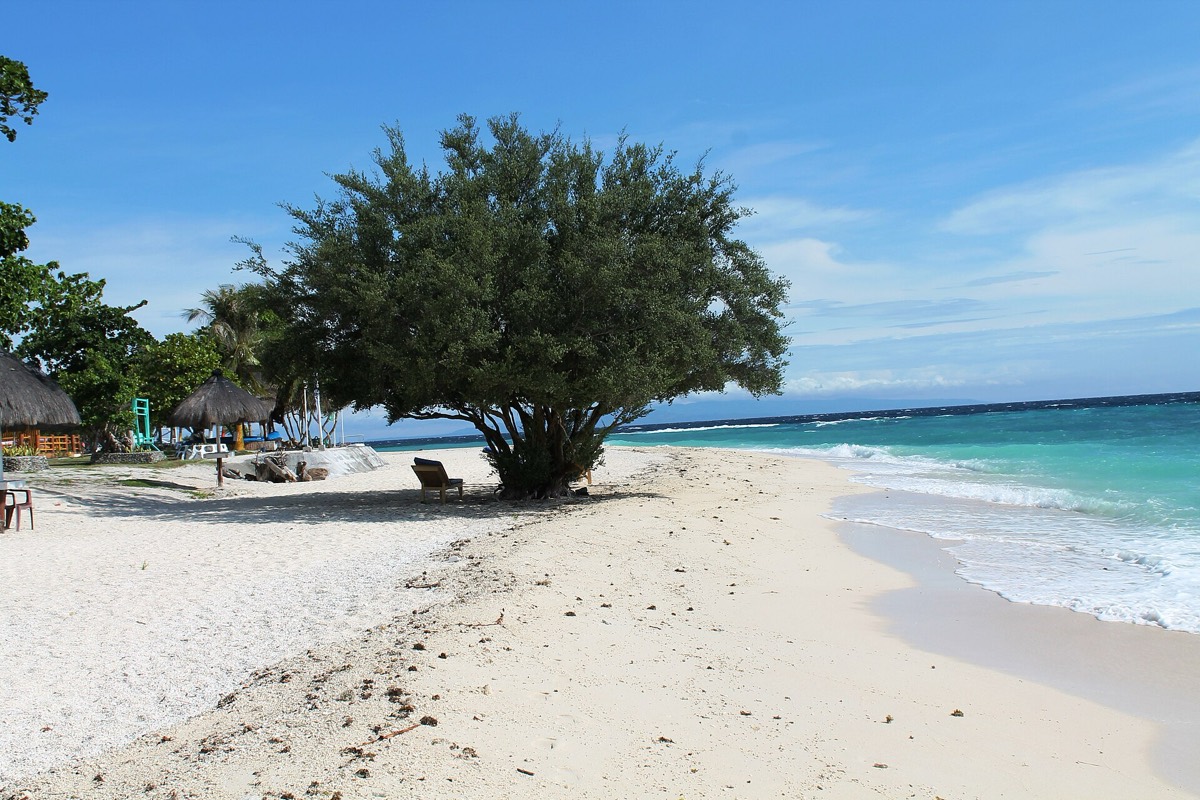
Balicasag is small enough to walk around in less than an hour, flat, ringed by white sand and fringed with coral. What matters is underwater. The island sits in the middle of a marine sanctuary, and the reef around it is one of the most celebrated dive and snorkel sites in this part of the Philippines.
The first turtle I saw was grazing on seagrass near the edge of the sanctuary, ignoring a group of snorkellers above it. A few minutes later, the reef dropped away into a vertical wall covered with soft corals and sea fans, and schools of jacks drifted out in the blue.
Most visitors come on a combined morning trip with dolphin watching and a stop at Virgin Island sandbar. It is busy, but the reef is big enough that you can find quiet stretches if you move away from the main mooring.
The story
Balicasag has been a marine sanctuary since the 1980s, one of the early community-based protected areas in the Philippines. Fishing is restricted in the sanctuary zone, and over time fish populations and coral cover have improved.
The island has a small fishing community, a lighthouse and a government-run resort. Islanders traditionally fished the waters around the island, and many families now earn a living from tourism, renting out snorkel gear, guiding and running small food stalls.
Popular dive sites include Black Forest, named after dense patches of black coral and the steep walls along the island’s edge. Divers regularly see turtles, jacks, barracuda and sometimes reef sharks.
In recent years, authorities have limited visitor numbers and regulated where boats can drop anchor to protect the reef. If rules change while you are there, follow them: they are what keep the place worth visiting.

Getting there
Bancas leave from Alona Beach and other Panglao beaches, usually early in the morning. The crossing takes roughly 30–45 minutes, depending on the sea.
Many trips combine Balicasag with dolphin watching near Pamilacan and the Virgin Island sandbar; dive centres run separate dive trips.
A suggested plan
- 6:00Leave Alona by banca, sometimes with a dolphin-watching detour.
- 8:00Arrive at Balicasag; pay fees and get a briefing.
- 8:30Snorkel the sanctuary with a guide, looking for turtles.
- 10:00Walk round the island or rest in the shade.
- 11:30Return to Panglao, stopping at the sandbar if it’s on your trip.
Where to stay
Panglao is the base. A few people stay on Balicasag itself for quiet evenings; check the current availability of accommodation before you go.
Good to know
- Go as early as you can; the reef is calmer before most boats arrive.
- Bring water, snacks and sun protection; there is little shade on boats.
- Ask your guide where the turtles are feeding that morning.
- Don’t touch or chase turtles, and keep your distance.
- Never stand on or kick the coral; use a life jacket if you are not a strong swimmer.
- Boat traffic around the island can be heavy; stay within marked snorkelling areas.