Sunset and char kway teow at Gurney Drive
Penang’s most famous open-air food court sits on the seafront, where dozens of stalls fire up woks at dusk and the whole city seems to come out to eat.

- Area
- Hawker food
- Start from
- Gurney Drive, north of George Town
- Distance
- about 4 km from the heritage zone
- Time needed
- an evening
- Best season
- All year; evenings from about 6 pm
- Difficulty
- Easy
- Transport
- Grab, Rapid Penang bus along the coast road, or a long walk
- Tickets & rules
- None
Why go
If you have only one evening for hawker food, Gurney Drive is the obvious choice. Around sunset, dozens of stalls light their burners along the promenade, and the air fills with the smell of charred noodles, grilled satay and sweet soy. Families claim plastic tables, office workers queue with their phones, and nobody seems in a hurry to leave.
Everything Penang is known for is here in one place: char kway teow, assam laksa, oyster omelette, rojak drowned in thick prawn paste sauce, pasembur, lok lok skewers dipped in boiling broth, and cendol to finish.
It’s more touristy than the backstreet stalls, and a few prices are higher, but the atmosphere on a warm evening by the sea is hard to beat.
The story
Gurney Drive was named after Sir Henry Gurney, the British High Commissioner in Malaya who was killed in an ambush in 1951. The road was once a genteel seafront promenade where wealthy families built villas facing the strait to catch the breeze.
Hawkers have gathered here for decades, feeding evening strollers. Malaysia’s hawker culture grew out of migrant street cooking: Chinese, Malay and Indian cooks with a single dish and a portable stove, selling to dockworkers and labourers. Penang’s versions became famous across the region, and Malaysians from other states still argue that the island’s char kway teow, cooked fast over a fierce flame with cockles, prawns, Chinese sausage and bean sprouts, is the one true version.
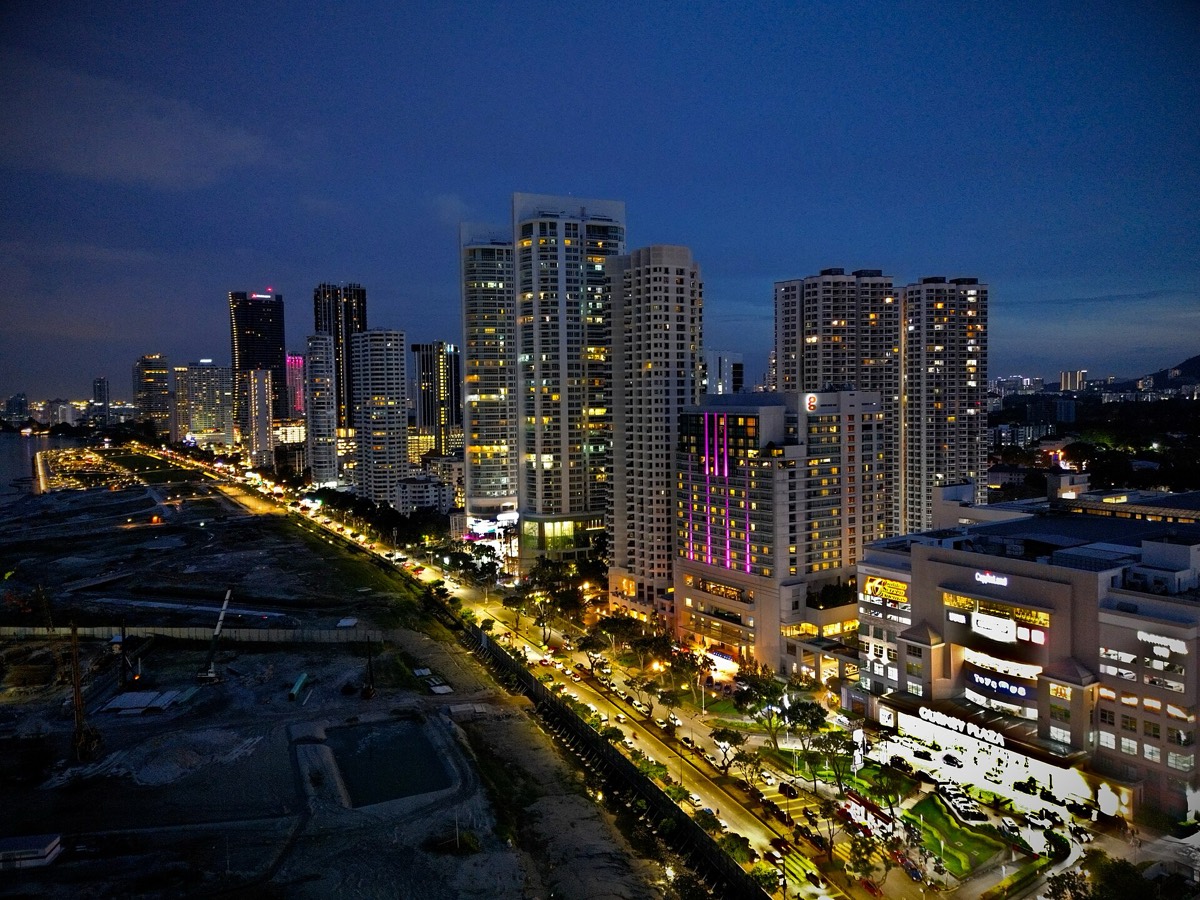
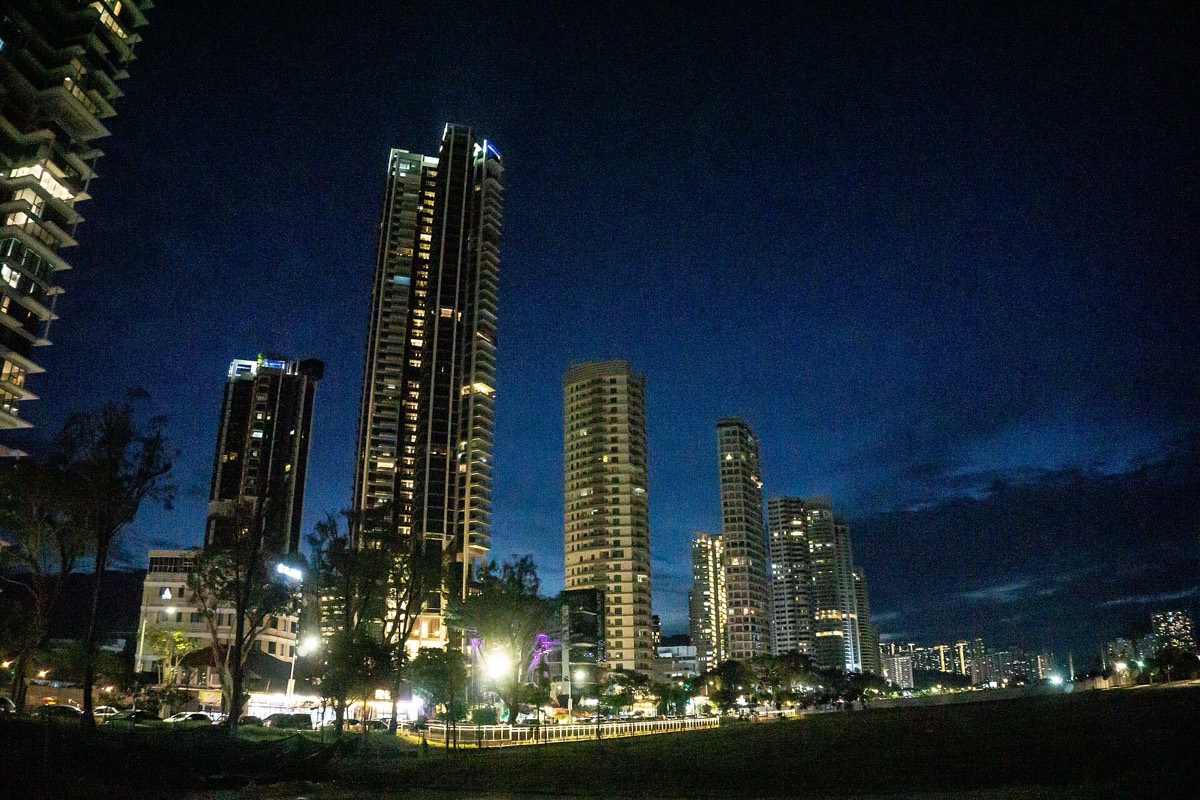
The coastline has changed a lot. Land reclamation pushed the sea back from the old promenade, and new parks and malls have risen along the shore. The hawker centre remains, though, and on clear evenings you can still watch the sun drop behind the hills of the island.
Penang’s hawker dishes are a map of its peoples. Assam laksa is sour and fishy with tamarind and mackerel; Hokkien mee is a deep prawn broth; pasembur is a Tamil Muslim salad. Locals will tell you which stall does each best, and they’ll all disagree.

Getting there
Gurney Drive is a 10–15 minute Grab ride from the heritage zone, longer in evening traffic. Rapid Penang buses run along the coast road from Komtar and the jetty; ask your guesthouse for the current route numbers.
The hawker centre sits at the northern end of the drive, near the large shopping malls.
A suggested plan
- 6:00 pmArrive before the dinner rush and walk the stalls once without buying anything.
- 6:30 pmGrab a table, note its number, and order from several stalls; they bring the food to you.
- 7:30 pmWatch the sunset along the promenade with a fresh coconut.
- 8:00 pmFinish with cendol or ais kacang, then stroll the seafront park.
Where to stay
Gurney Drive has large modern hotels if you want a sea view and malls nearby, but most travellers stay in the heritage zone and come here by Grab for dinner.
Good to know
- Share dishes with friends so you can try more; portions are small and cheap.
- Drinks are usually ordered from a separate drinks stall that serves your table.
- Bring small notes; many stalls still prefer cash, though e-wallets are spreading.
- Ask about prices for seafood dishes like oyster omelette before ordering.
- A few stalls quote high prices to tourists for seafood; confirm first.
- Stray rain showers arrive suddenly; the covered tables fill fast.