A George Town breakfast crawl: kopitiam, roti and dim sum
Morning in George Town is a ritual of kopi and kaya toast, flaky roti canai, curry-drenched nasi kandar and steaming baskets of dim sum.
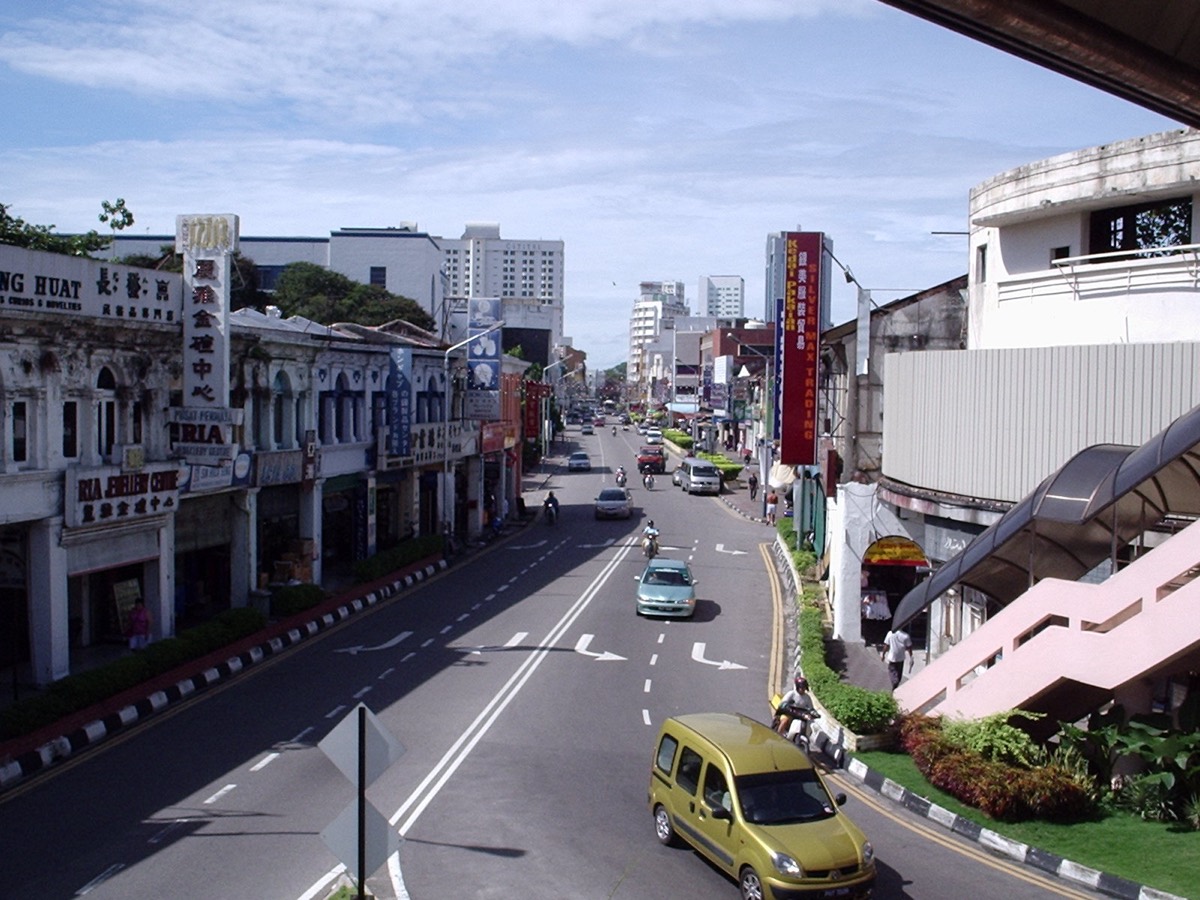

- Area
- Hawker food
- Start from
- Heritage zone, George Town
- Distance
- about 3 km on foot
- Time needed
- a morning
- Best season
- All year; start by 7 am
- Difficulty
- Easy
- Transport
- On foot
- Tickets & rules
- None
Why go
Penang wakes up early and eats seriously. By seven the old kopitiams are full: retirees reading Chinese newspapers, schoolchildren with toast, labourers with plates of fried noodles. Ceiling fans turn, coffee is pulled through cloth socks, and the marble tables are cool under your elbows.
A breakfast crawl is the best way to taste the island’s mix of cultures in one morning. You can start with Hainanese toast and soft-boiled eggs, move to a Tamil Muslim stall for roti canai with dhal, then end with a Cantonese dim sum house.
Eat small, walk between stops, and you’ll be ready for the next one.
The story
Kopitiam is a mix of the Malay word for coffee (kopi) and the Hokkien for shop (tiam). These coffee shops were, and still are, the living rooms of Chinese communities in Malaysia. Many are run by families of Hainanese origin, who once worked as cooks in British households and adapted Western breakfasts into kaya toast, half-boiled eggs and strong coffee roasted with sugar and margarine.
Nasi kandar comes from Penang’s Tamil Muslim community. Hawkers once balanced baskets of rice and curries on a pole across their shoulders; now the dish is served in brightly lit shops where you point at curries and the cook floods your rice with several gravies, a practice locals call banjir, ‘flooded’.
Dim sum in Penang is often eaten early in the morning, a Cantonese habit carried over from Guangzhou’s teahouses. Waiters walk around with trays, and you pick what you like.
Penang white coffee, cendol and nutmeg juice show how local products crept into the menu: nutmeg was once a major crop on the island, and its candied flesh and sour juice remain a local taste.
Getting there
All of this is within the heritage zone, walking distance from Chulia Street and Penang Road. Ask your guesthouse for their favourite kopitiam; every local has one.
For the Teochew cendol, look for the long-standing stall on Lebuh Keng Kwee, off Penang Road.
A suggested plan
- 7:00Kaya toast, soft-boiled eggs and kopi at an old kopitiam.
- 8:00Roti canai with dhal or nasi kandar at a Tamil Muslim shop.
- 9:00Dim sum at a Cantonese teahouse.
- 10:30Walk to Penang Road for cendol before the queue grows.
Where to stay
Any guesthouse in the heritage zone puts the best kopitiams within a few minutes’ walk.
Good to know
- Kopi is coffee with condensed milk; kopi-o is black with sugar; kopi-c uses evaporated milk.
- Many old kopitiams close by early afternoon.
- Share tables freely; it’s normal to sit with strangers.
- Carry cash for older shops.
- Nasi kandar portions with ‘banjir’ gravy are heavy; ask for less if you plan to keep eating.
- Cendol and shaved ice are made with ice from local suppliers; busy, well-known stalls are the safest bet.