Island-hopping in Tunku Abdul Rahman Park
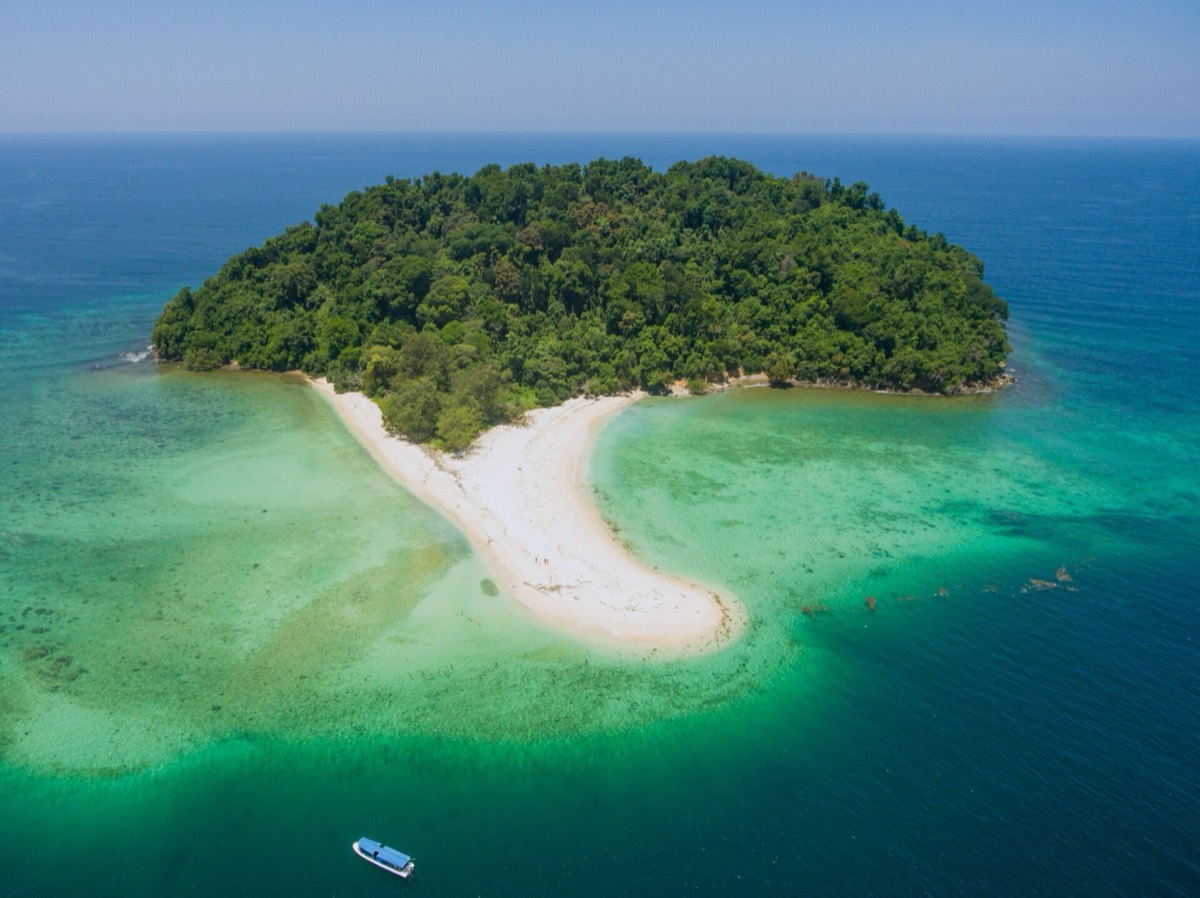
Five green islands just off the city, with white sand, clear water and fish that swim right up to your knees, are only fifteen minutes away by speedboat.

- Area
- Islands & west coast
- Start from
- Jesselton Point, Kota Kinabalu
- Distance
- 3–8 km by boat
- Time needed
- 1 day
- Best season
- All year; calmest seas roughly February – May
- Difficulty
- Easy
- Transport
- Speedboat from Jesselton Point ferry terminal
- Tickets & rules
- Marine park conservation fee and jetty fee; boat ticket
Why go
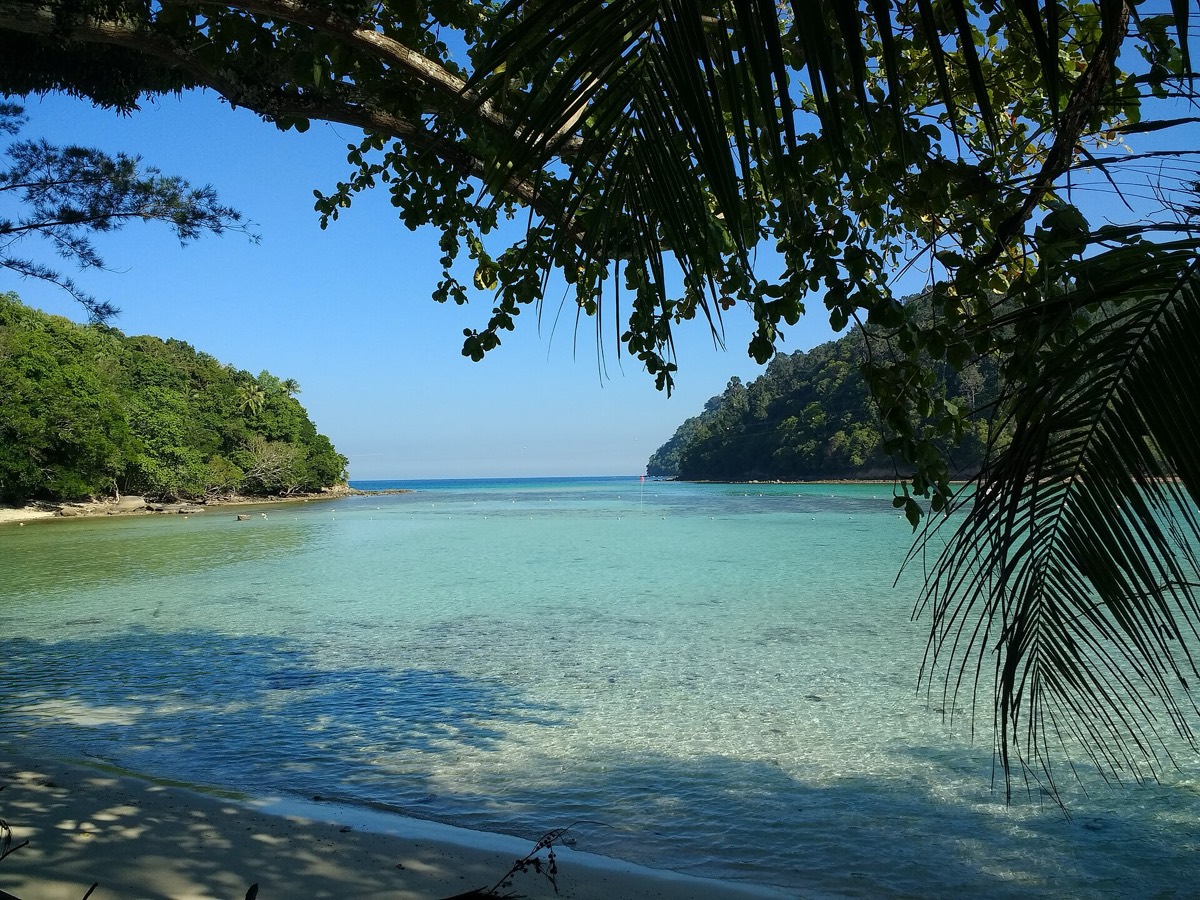
Few cities have a marine park this close. From the Jesselton Point terminal, small speedboats run out to the islands of Tunku Abdul Rahman Park all morning; in fifteen minutes you're stepping off onto sand with clear water underneath. The park covers five islands: Gaya, the biggest, plus Sapi, Manukan, Mamutik and Sulug.
Sapi is small and lively, with a beach facing a sandbar and good snorkelling around its rocks. Manukan is the most developed, with a long beach and facilities. Mamutik is tiny and good for snorkelling straight from the shore. Gaya has forest trails and quieter coves. Many people do two islands in a day, which is about right.
The reefs are not pristine, and on weekends the beaches fill up, but the water is warm, the fish are many and colourful, and you can be back in the city for a shower and dinner by late afternoon. It's the easiest way to see what the sea around Sabah is like.
The story
The park was gazetted in 1974 and named after Tunku Abdul Rahman, Malaysia's first prime minister. It protects not only the reefs but also the forest on the islands, and the waters between them. Gaya Island is large enough to have its own hills, rising to over 300 metres, and its own wildlife, including monitor lizards, macaques and bearded pigs.
Gaya was once the site of a British trading post. In 1897, a small settlement there was attacked and burned by Mat Salleh, a Bajau-Suluk leader who resisted the Chartered Company's taxes and rule. Some historians say the attack was one reason the company moved its west coast station to the mainland, where Jesselton was founded two years later. Mat Salleh is now remembered in Sabah as a local hero.
The name Gaya is said to come from the Bajau word 'gayo', meaning big. Off Sapi there's now a long zipline across the water from Gaya, which people either love or hate; the hornbills in the island forest are unimpressed either way.

Getting there
Boats leave from Jesselton Point ferry terminal at the north end of the waterfront. Several operators sell tickets for set island combinations from counters inside; boats go when they fill up, roughly from 8 am, and the last return is usually mid to late afternoon.
You pay the boat fare at the terminal and a separate conservation fee and sometimes a jetty fee on arrival or at the counter. Snorkel gear can be rented at the terminal or on the islands.
A suggested plan
- 8:00 amJesselton Point: buy a two-island ticket and the park fees, rent snorkel gear.
- 8:30 amFirst boat to Sapi or Mamutik for snorkelling while the water is clear and calm.
- 11:30 amHop to Manukan for lunch and a long swim.
- 1:30 pmWalk the short trail behind the beach or find shade and read.
- 3:30 pmReturn boat to the city, before the afternoon wind picks up.
Where to stay
Most people stay in KK and go out for the day. There are a couple of resorts on Gaya and Manukan if you want the islands to yourself after the day boats leave.
Good to know
- Go on a weekday; weekends and public holidays are crowded.
- Bring reef-safe sunscreen and a rash vest; the sun is fierce on the water.
- Keep your return ticket safe and note the boat company's name.
- The water is clearest in the morning.
- Don't feed the fish; it harms the reef and attracts aggressive species.
- Monitor lizards on Sapi will investigate your bags.
- Jellyfish appear in some seasons; ask at the jetty and wear a rash vest.