Kudat, Rungus longhouses and the Tip of Borneo
Drive to the northernmost point of Borneo, stop at a Rungus longhouse and a gong-making village on the way, and watch the sun go down where two seas meet.

- Area
- Islands & west coast
- Start from
- Kota Kinabalu
- Distance
- about 190 km each way
- Time needed
- 2 days
- Best season
- All year; calmer seas March – October
- Difficulty
- Easy
- Transport
- Hired car or driver; buses to Kudat town
- Tickets & rules
- Small entry fees for longhouses and the Tip of Borneo park area
Why go
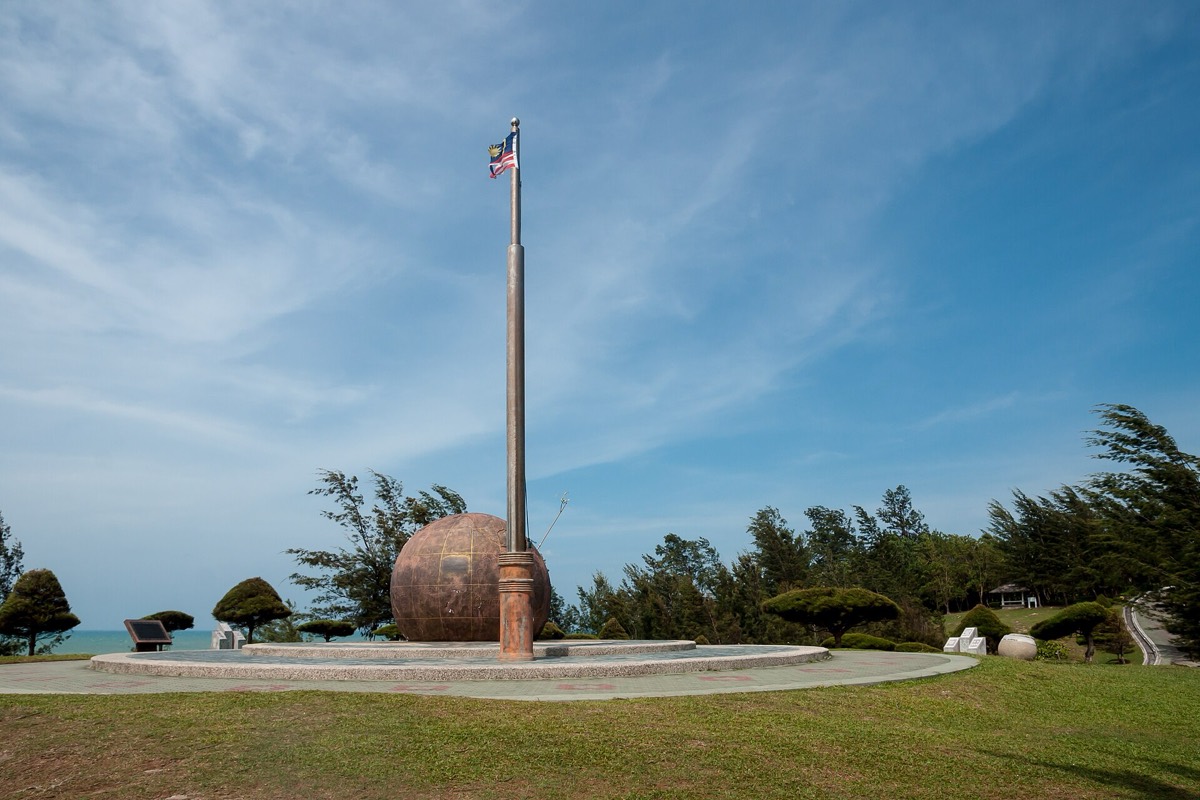
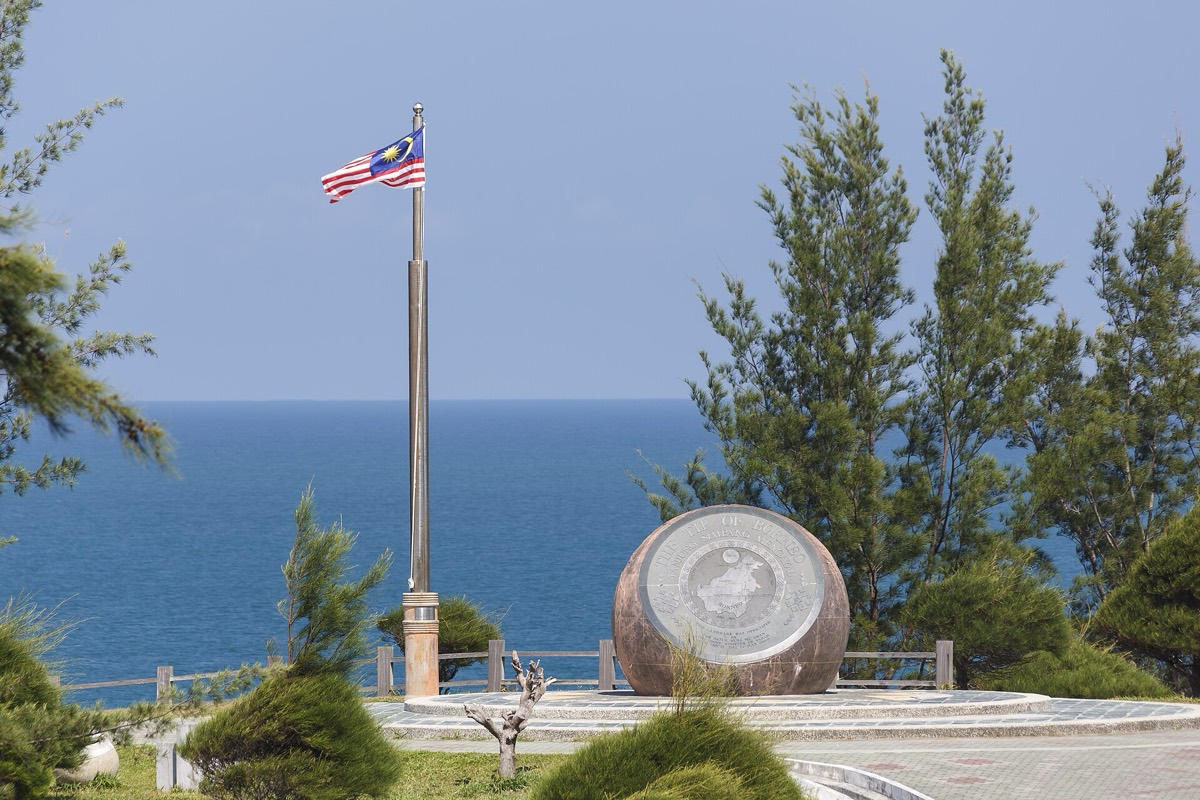
The Kudat peninsula feels like a different Sabah: drier, flatter, with coconut palms, pale beaches and very few tourists. At its very end, Tanjung Simpang Mengayau, the Tip of Borneo, is a rocky headland where the South China Sea meets the Sulu Sea. There's a large globe monument and a path down to the rocks, and at sunset the sky can be enormous.
On the way, the Rungus longhouses at Bavanggazo, near Matunggong, offer a chance to see this traditional style of building, with its outward-sloping walls, raised floors on stilts and long shared corridor. Some families still weave, make beadwork and keep bees here, and you can sometimes stay overnight.
Not far away is Sumangkap, a village known for making brass and iron gongs, from small hand-sized ones to huge ones taller than a person. You can watch the craftsmen hammering and tuning them, a sound you feel in your chest.
The story
The Rungus are a subgroup of the Kadazandusun family, living mostly on the Kudat and Pitas peninsulas. They are known for their beadwork, worn on the chest and around the waist, and for longhouses that could house dozens of families under one roof. Women's traditional costumes include coiled brass rings at the arms and legs.
Kudat was the first capital of British North Borneo for a short time in the early 1880s, before the administration moved to Sandakan. Its natural harbour made it a promising trading point, and Chinese Hakka farmers were brought in to plant coconuts and other crops. Many of their descendants still live here, and the town has a quiet, old-fashioned feel.
Local legend says that the name Simpang Mengayau refers to a meeting point or crossroads of headhunters, though the details vary depending on who tells the story. Today the cape is a place for picnics, wedding photos and fishermen casting from the rocks.

Getting there
The drive from KK to Kudat takes around three to three and a half hours via Kota Belud. The Tip of Borneo is a further half hour or so from Kudat town. Buses and minivans go to Kudat, but to visit the longhouses and the cape, a car or driver is far more practical.
Roads are mostly paved and good but narrow in places; watch for animals on the road.
A suggested plan
- Day 1 morningLeave KK early, stop in Kota Belud (on Sunday, for the tamu).
- Day 1 middayVisit the Bavanggazo Rungus longhouses near Matunggong.
- Day 1 afternoonGong village of Sumangkap, then check into a beach guesthouse.
- Day 1 sunsetTip of Borneo for the sunset over two seas.
- Day 2Kalampunian or other nearby beaches in the morning, then the long drive back to KK.
Where to stay
There are simple guesthouses and a few small beach resorts around Kudat and the Tip of Borneo; the longhouse homestays are a memorable but basic option. Book ahead on weekends and holidays.
Good to know
- Bring cash; ATMs are limited outside Kudat town.
- Buy beadwork directly from the makers in the longhouses.
- Swim only where locals do; currents around the cape are strong.
- Don't climb past the barriers at the cape; the rocks are slippery and the waves can be dangerous.
- Driving back to KK after dark is tiring on winding roads; plan an overnight.