Li Phi, the Spirit Trap Falls
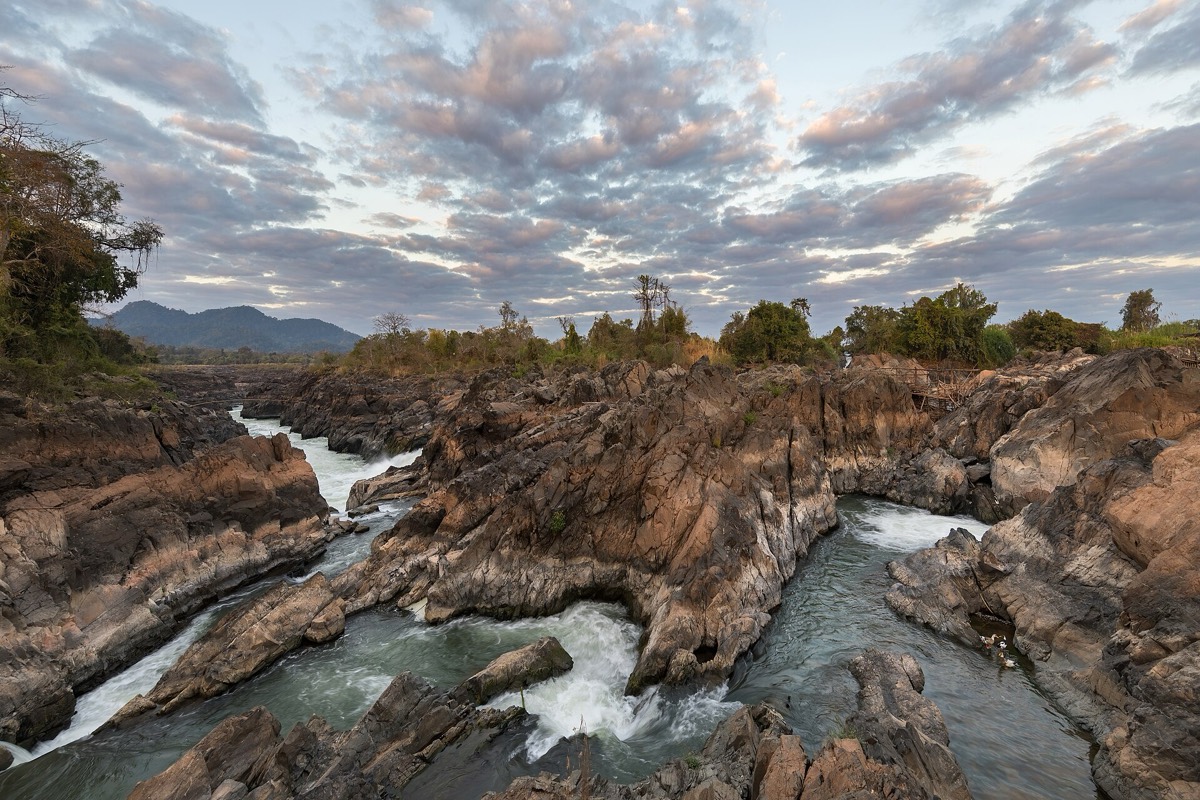
A wide, white maelstrom of rapids where, people say, the river catches the spirits of the dead as they drift downstream.

- Area
- 4000 Islands
- Start from
- Don Det or Don Khon
- Distance
- about 4 km from the Don Khon bridge
- Time needed
- half a day
- Best season
- November – April for paths and swimming; July – October for sheer power
- Difficulty
- Easy
- Transport
- Bicycle or on foot
- Tickets & rules
- Included in the Don Khon ticket
Why go
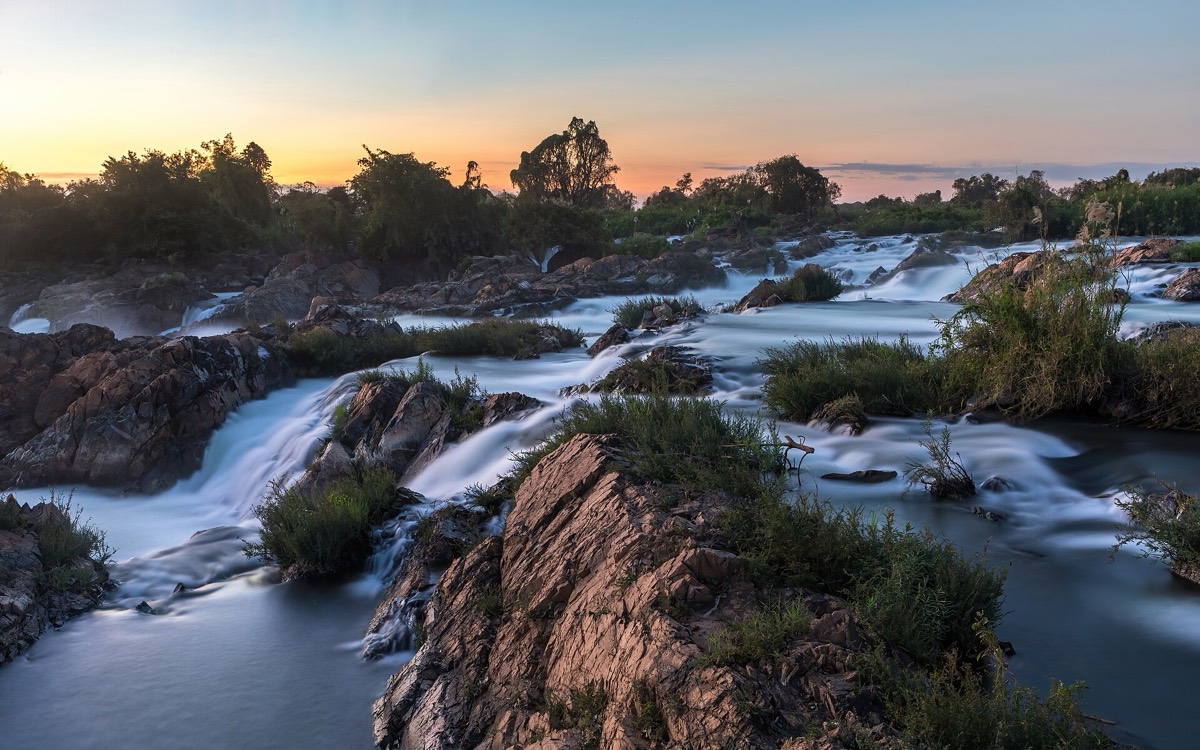
Li Phi, also called Tad Somphamit, is not a single drop but a long, savage stretch of cataracts where the Mekong forces its way through a maze of black rock on the western side of Don Khon. The water churns white for hundreds of metres, the air is full of fine spray, and the noise is so constant that after a while you stop noticing it and only feel it in your chest.
Paths and wooden viewpoints run along the edge of the falls through a shady park, and there are benches where you can sit and stare for as long as you like. I spent a whole morning there once, moving from one viewpoint to the next as the light shifted and the spray caught little rainbows.
At the far end, a sandy path leads down to a beach beside a calmer side channel, where in the dry season people swim, picnic and doze under the trees. It is one of the most powerful sights on the islands and an easy, flat ride from either Don Det or Don Khon.
The story
Li Phi translates roughly as spirit trap. The belief, still widely held, is that the rapids catch the spirits of the dead and wandering bad spirits as they float down the river, holding them among the rocks. For that reason many islanders traditionally avoided swimming near the falls, and some older people still will not, which is worth keeping in mind before you jump into any water nearby.
Fishermen, meanwhile, have used the rapids for generations. Look closely and you will see bamboo traps and walkways wedged into the rocks, sometimes only a metre from the boiling water. The traps are designed to catch fish swept down by the current or trying to migrate upstream, and the men who set them walk and balance on wet stone with astonishing calm. The skills are handed down in families, and the catch ends up in island kitchens and markets.
The Khone Falls system, of which Li Phi is part, is crucial for fish migration along the Mekong, and some channels are among the most important migration routes on the whole river. That makes these rocks not only a beautiful sight but a vital piece of the river’s life, linking the fisheries of Cambodia with those of Laos and beyond.
In recent years the area around the falls has been developed as a park with paths, bridges, viewing platforms and a few cafés. At midday it can be busy with tour groups; at eight in the morning it still feels wild.

Getting there
From the old railway bridge on Don Khon, follow the signposted track west through the village and the fields; it is about a twenty-minute bicycle ride on a flat, partly sandy path. Your Don Khon ticket, bought at the bridge, covers entry to the park.
Return the same way, or continue along small paths to the beach on the western side of the island and loop back through the village.
A suggested plan
- 7:30Cycle from Don Det across the old railway bridge, showing your Don Khon ticket.
- 8:00Arrive at Li Phi and walk the riverside paths while the light is soft and the park is quiet.
- 9:30Look for fishermen working the bamboo traps from the viewpoints.
- 10:30Walk down to the beach below the falls and swim in the calm side channel in the dry season.
- 12:30Ride back to Don Khon village for lunch near the bridge.
Where to stay
Base yourself on Don Det or Don Khon; Li Phi is an easy outing from either. Don Khon is closer and calmer, with a few comfortable riverside guesthouses, while Don Det offers more choice and livelier evenings.
Good to know
- Go early in the morning for the best light, fewer people and cooler cycling.
- Wear sturdy sandals; the paths and beach approach are rocky and sandy.
- Bring water and snacks, as cafés in the park may be closed out of season.
- A small dry bag protects your camera from the spray at the viewpoints.
- Never swim near the rapids; the currents are deadly and people have drowned here.
- Stay behind barriers and off wet rocks, which are extremely slippery.
- Respect the local beliefs about the falls and do not mock the offerings you may see.