Don Daeng, the Island Across the River
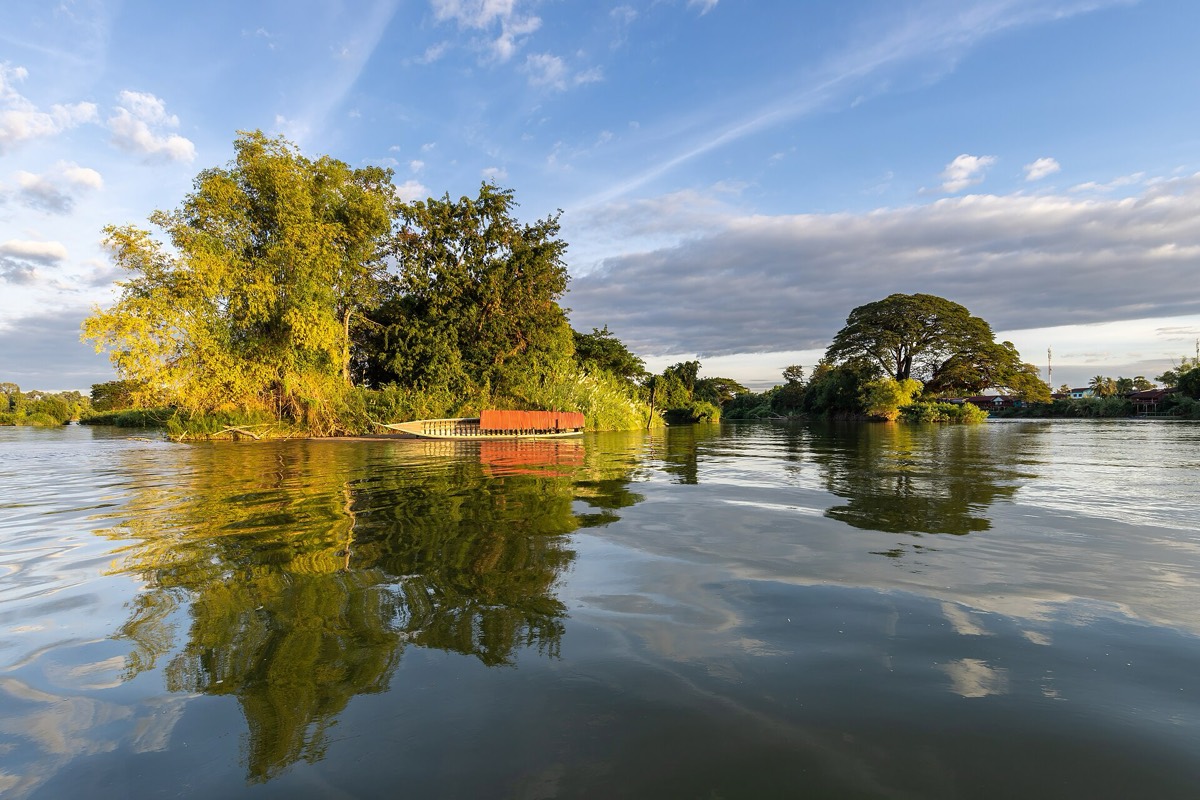
A long, sandy island with traffic-free tracks, quiet villages, a crumbling brick stupa and a beach on the Mekong facing Champasak.

- Area
- Champasak
- Start from
- Champasak town
- Distance
- island about 8 km long
- Time needed
- 1 day or overnight
- Best season
- November – April
- Difficulty
- Easy
- Transport
- Local boat from Champasak, then bicycle or on foot
- Tickets & rules
- Small boat fare; ruins free
Why go
From the riverbank in Champasak, you see Don Daeng as a long green line on the water. Few visitors cross, which is precisely why you should. The island has no cars, only a sandy track that runs around it, connecting a handful of villages with rice fields, palm trees and buffalo wallowing in ponds.
Cycling the track feels like stepping back several decades. Children shout sabaidee from the fields, women weave on looms under stilted houses, and in the dry season a wide sandy beach appears on the side facing Champasak.
You can do it as a day trip, or stay at a simple homestay or the one or two lodges on the island and watch the sun set behind Phou Kao across the water.
The story
Don Daeng means red island, perhaps after the colour of its soil or the light at sunset. The villagers live mostly from rice, fishing and vegetable gardens, and the island has seen community-based tourism projects that let families host visitors.
Near the centre of the island, a ruined brick stupa or temple stands among trees, thought to date from the same broad era as the older structures around Wat Phou. It is small and overgrown, without fences or tickets, and the brickwork is still visible beneath roots and moss.
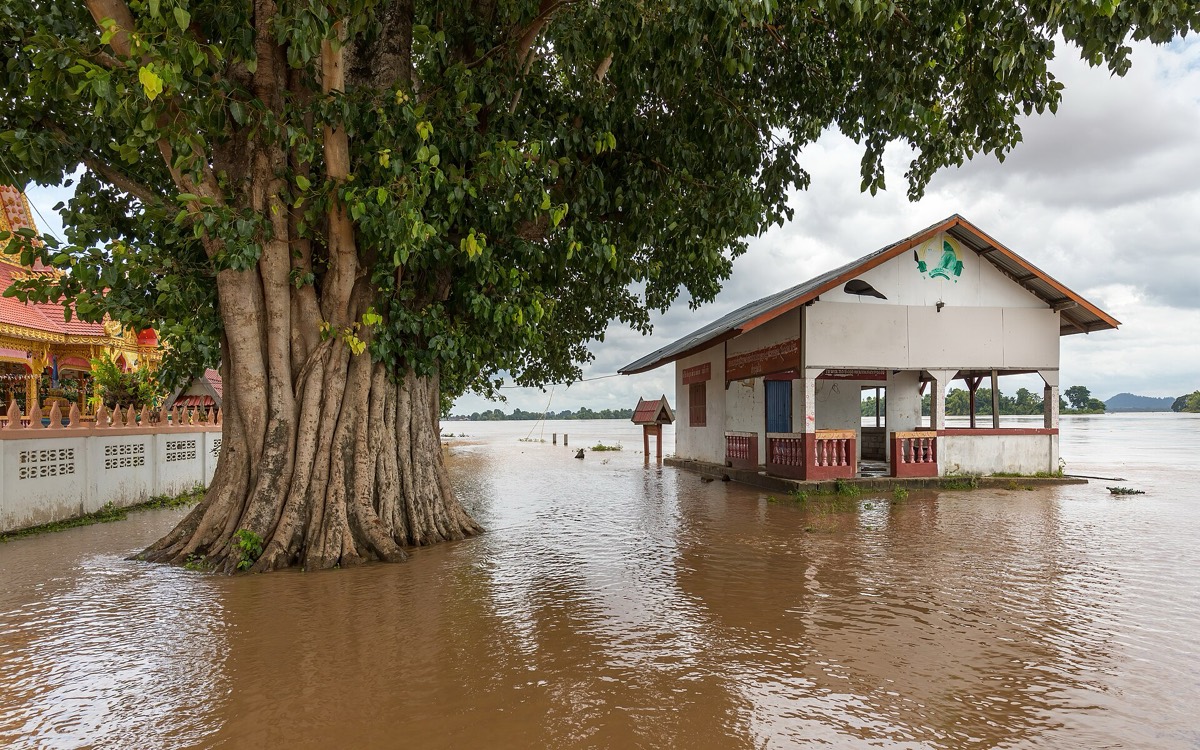
Local legend holds that Don Daeng is protected by guardian spirits, and you may see offerings at the base of large trees. When the river rises in the wet season, the island shrinks, and the beach disappears completely under water until the next dry season.
For the people of Champasak, the island is simply part of the view, and part of daily life: children cross by boat to school, farmers carry vegetables to the town market, and monks travel back and forth between monasteries. Watching that traffic from the beach, with the mountain of Wat Phou rising behind the town on the far bank, you understand how closely the river, the island and the old sacred landscape are bound together.

Getting there
Boats cross from Champasak’s riverbank to Don Daeng; ask at your guesthouse, which can usually arrange a boat and bicycle. The crossing takes only a few minutes. Some guesthouses also let you take their bikes on the boat.
A full circuit of the island track is roughly 20 km by bicycle, mostly flat but with sandy patches where you will need to push.
A suggested plan
- 8:00Boat across from Champasak with bicycles.
- 9:00Ride the island track clockwise through villages and rice fields.
- 11:00Find the ruined brick stupa in the centre of the island.
- 12:30Simple lunch arranged in a village, or a packed lunch on the beach.
- 15:00Swim from the sandbank in the dry season; return by boat before dusk.
Where to stay
A homestay or simple lodge on Don Daeng is a memorable experience, with family dinners and early nights. Otherwise base yourself in Champasak town across the river.
Good to know
- Bring snacks and water; shops on the island are very basic.
- Arrange your return boat time in advance.
- Bring a small gift such as fruit if you visit a family home.
- Carry a torch if you stay overnight; village lanes are dark and power can be unreliable.
- Sandy tracks can make you fall; ride slowly.
- Only swim in calm shallows near the beach; river currents are strong.
- Dress modestly in villages and do not swim in bikinis near homes.