The Wetlands of Kiet Ngong and Xe Pian
Marshes, lily ponds, forest trails and a village guarding one of the largest protected areas of the south, with birds everywhere and very few visitors.
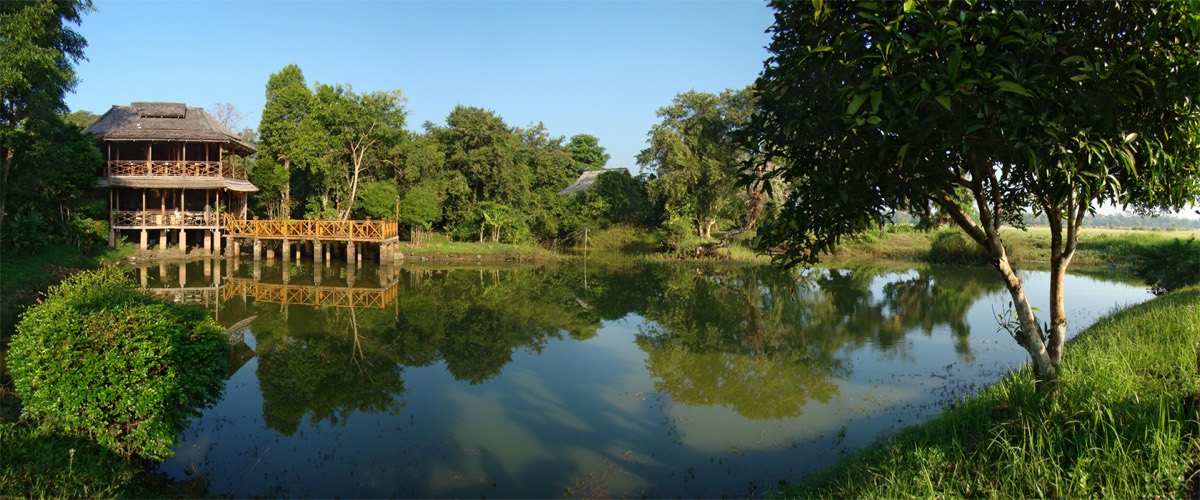

- Area
- Xe Pian
- Start from
- Pakse
- Distance
- about 60 km
- Time needed
- 1–2 days
- Best season
- November – March for birds and trails
- Difficulty
- Moderate
- Transport
- Motorbike or car via Route 13; local guides on site
- Tickets & rules
- Protected area fees; guide required for treks
Why go
Xe Pian National Protected Area covers a broad landscape of forest, wetlands and low hills south-east of Pakse, and the village of Kiet Ngong sits at its edge, beside a wide marsh full of lotus and waterbirds. It is a place for people who like quiet, birds and the feeling of being far from everything.
From the village, guides lead walks through forest and along the marshes, sometimes with an overnight in a simple forest camp or village homestay. In the early morning, mist hangs over the water, and herons, egrets and kingfishers hunt among the reeds.
This is not a place of big sights. It is about slowing down, walking with a local guide and listening to the forest. My best memory here is not a rare animal but a night in a homestay: rain hammering the tin roof, a grandmother cooking bamboo shoot soup over a wood fire, and frogs calling from the marsh until I fell asleep.
The story
Xe Pian was declared a National Protected Area in the 1990s and has been the focus of conservation projects aimed at protecting wetlands and forest while supporting local livelihoods. The Kiet Ngong wetlands were designated a Ramsar wetland of international importance, recognising their value for birds and local fisheries.
Kiet Ngong village has long been involved in community-based tourism, with villagers trained as guides and families offering homestays. It was also known for elephants once used for logging and transport, though their role has changed, and the emphasis has shifted towards walking and wildlife.
The forests hold a remarkable variety of life, from gibbons and hornbills in the forest to herons, storks and, occasionally, rarer waterbirds in the marshes, though most animals are shy and elusive. A good guide will show you tracks, medicinal plants and traditional uses of the forest that make the walk far richer than the landscape alone.
Getting there
Take Route 13 south from Pakse, then turn east towards Kiet Ngong; the turn is about an hour south of the town. The road to the village is paved or good gravel. Some tour operators in Pakse can arrange transport, guides and homestays.
There is limited public transport; songthaews to the area run irregularly from Pakse’s southern bus station, so most independent visitors come by rented motorbike. The ride itself is pleasant once you leave Route 13, through rice fields and small villages where cattle wander on the road.
Kiet Ngong is also the starting point for Phou Asa, the stone ring on the hill, so it makes sense to plan the two together over a night in the village.
A suggested plan
- 7:00Leave Pakse early.
- 8:30Arrive at Kiet Ngong; meet a guide at the visitor centre.
- 9:00Walk the edge of the wetlands for birds.
- 12:00Lunch in the village.
- 14:00Forest walk or a boat on the marsh.
- 17:00Overnight homestay, or return to Pakse.
Where to stay
Village homestays in Kiet Ngong and a few eco-lodges in the area. They are simple but give a real sense of rural life. Bring cash, as there are no ATMs.
Good to know
- Bring binoculars for birds; the first two hours after sunrise are the best.
- Carry cash in small notes for guide fees, the homestay and village snacks.
- Wear long trousers and closed shoes for forest walks.
- Ask about current trek options; they change with the season.
- Leeches and mosquitoes on trails, especially after rain.
- Never walk off marked trails without a guide; unexploded ordnance can remain in rural areas.
- Respect village customs, including spirit houses.