Breakfast and Bargains at Dao Heuang Market
One of the largest markets in Laos, where plateau coffee, Mekong fish, Thai plastics and fresh herbs meet under one sprawling roof.

- Area
- Pakse town
- Start from
- Central Pakse
- Distance
- about 2 km from the centre
- Time needed
- half a day
- Best season
- All year; early morning is busiest and coolest
- Difficulty
- Easy
- Transport
- Tuk-tuk, bicycle or a 25-minute walk
- Tickets & rules
- None
Why go
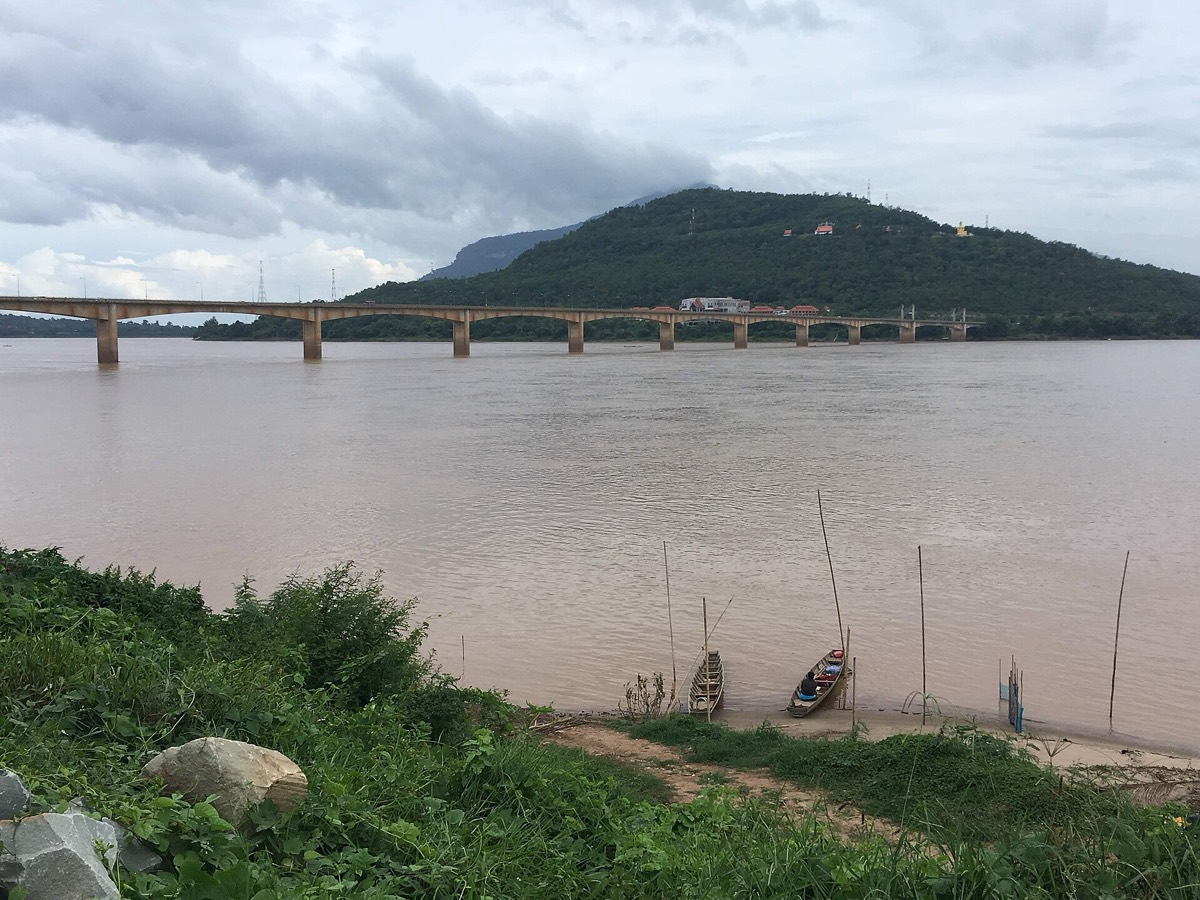
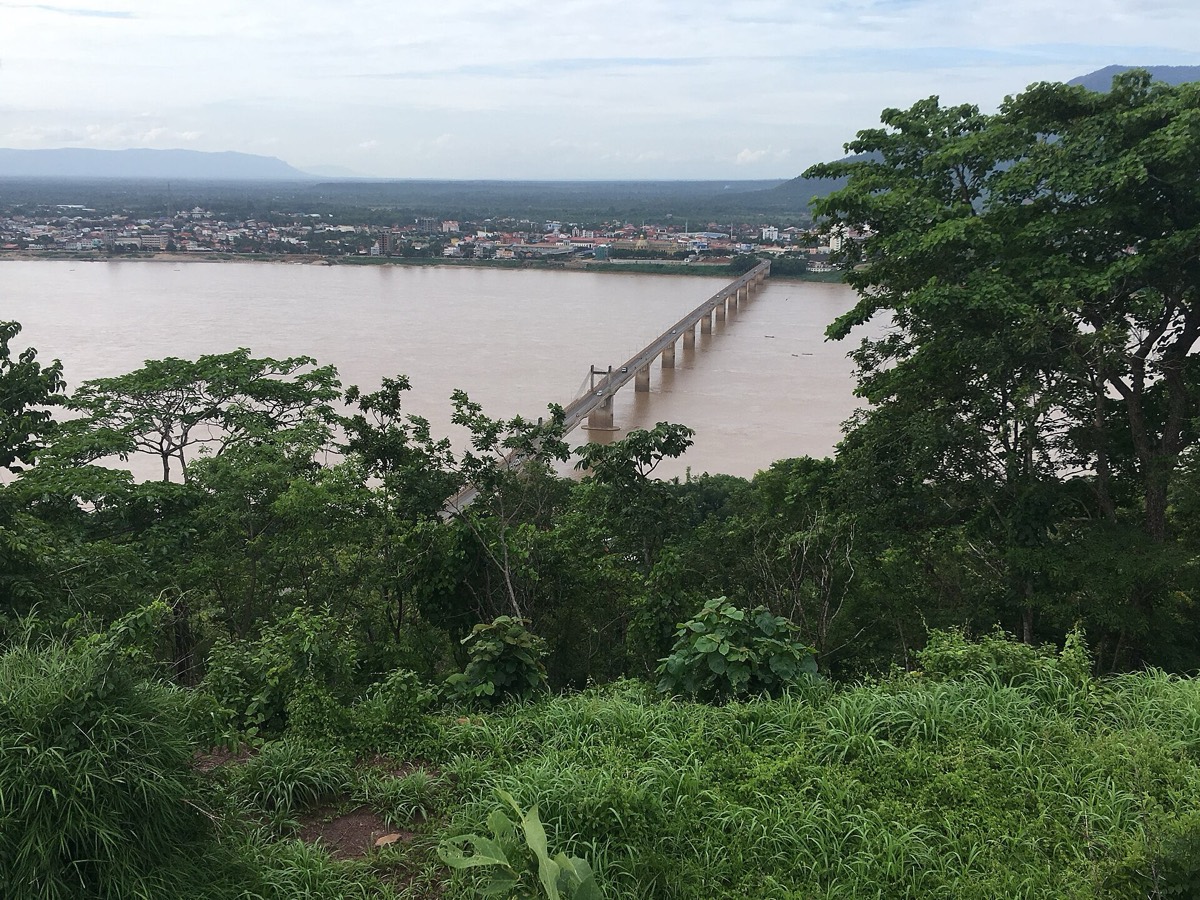
If you want to understand what southern Laos eats, grows and buys, come to Dao Heuang at seven in the morning. The market spreads over a huge area near the eastern end of the Lao-Japanese bridge, a mix of covered halls, open lanes and outer rings of stalls selling everything from motorbike parts to gold necklaces.
The food section is the reason I return. There are pyramids of bitter eggplants, bunches of dill and holy basil, buckets of live frogs, trays of dried buffalo skin, sticky rice in woven baskets, and fish so fresh they are still flicking their tails. Coffee sellers from the plateau offer sacks of beans, and women with portable stoves fry banana fritters at the entrances.
It is also a rainy-day option: much of it is under cover, and wandering the aisles can easily fill a wet morning.
The story
The market takes its name from Dao Heuang, a Lao company whose founder made her fortune in the coffee trade and later expanded into drinks and retail. Its rise mirrors the rise of Pakse itself as the commercial heart of the south, the place where produce from the plateau and the river is gathered and goods from Thailand, a short drive away across the Vang Tao border, are sold on.
Walk long enough and you notice the patterns. Highland women sell cardamom, wild honey and bamboo shoots in the mornings and are gone by noon. Fishmongers sort by species: the small silvery fish that go into padaek, the pungent fermented fish paste that seasons almost every Lao dish, and the big catfish destined for soups and grills. In the dry goods hall, you can find betel leaves, lime paste and areca nuts still sold for chewing by older villagers.
There is humour too. Vendors will tease you if you hold up a bitter fruit with a puzzled face, and many will gladly hand you a piece to try. A few words of Lao, sabaidee for hello and khop jai for thank you, open a lot of smiles.

Getting there
From the town centre it is a short tuk-tuk ride east towards the bridge; drivers all know the name. Walking takes about twenty-five minutes along busy roads, so a bicycle is a nicer compromise.
Morning is best. By early afternoon the fresh food section quiets down, though the clothes and hardware stalls stay open until late afternoon.
A suggested plan
- 6:30Arrive while the produce is being unloaded and the light is soft.
- 7:00Breakfast at a noodle stall inside the market: khao piak sen or a bowl of pho with plenty of herbs.
- 8:00Explore the fresh produce, fish and herb lanes, then the coffee and dry goods sections.
- 9:30Buy a bag of Bolaven coffee or some dried fruit for the road.
- 10:30Tuk-tuk back to the centre or on to the Phou Salao hill across the bridge.
Where to stay
Central Pakse is the natural base. Guesthouses near the Xe Don are a short ride away, and some drivers who wait outside the market will take you on to the golden Buddha or the bus stations.
Good to know
- Bring a reusable bag; you will be offered a plastic one for every purchase.
- Ask before photographing vendors close up; most are happy if you smile and buy something.
- Coffee beans here are sold by weight; ask for a roasted bag and check the roast date if one is printed.
- Prices are usually fixed for food; light bargaining is normal for clothes and souvenirs.
- The aisles get crowded and motorbikes squeeze through the outer lanes; keep your bag in front of you.
- Wet floors in the fish and meat sections are slippery, so wear shoes with grip rather than flip-flops.