A day trip from Malapascua to the Kalanggaman sandbars
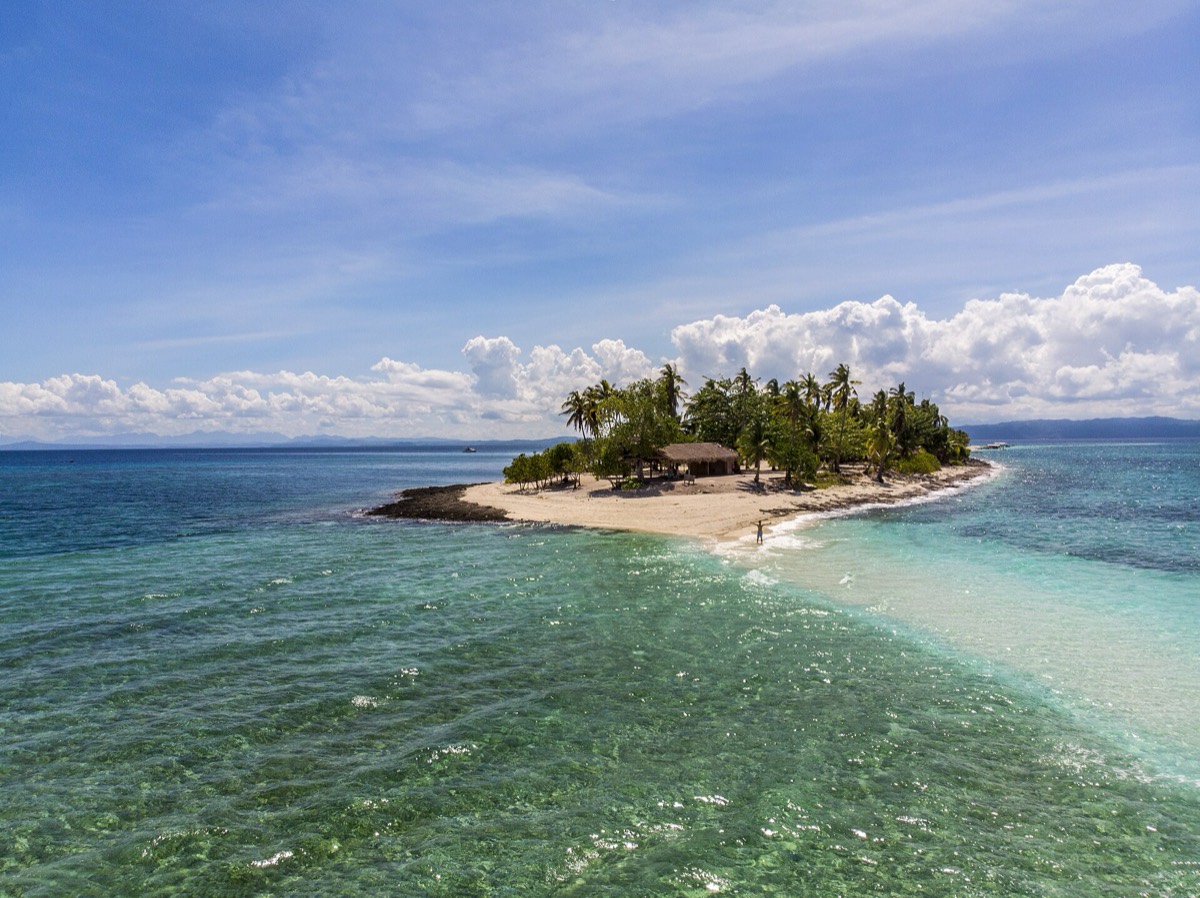
A long boat ride across open water to a slender island with a white sandbar trailing from each end, turquoise shallows all around and almost nothing else.

- Area
- North & islands
- Start from
- Malapascua
- Distance
- about 1.5–2 hours by boat each way
- Time needed
- 1 long day
- Best season
- Best March – June for calm seas
- Difficulty
- Moderate
- Transport
- Chartered bangka
- Tickets & rules
- Island entrance fee paid on arrival; higher for foreigners and for overnight stays
Why go
Kalanggaman looks almost unreal from above: a small green patch of coconut palms with a long white sandbar curving off each end into water that shades from glassy turquoise to deep navy. It belongs to the town of Palompon in Leyte, across the sea from Cebu, but the easiest way for most travellers to reach it is a chartered boat from Malapascua.
The crossing is long, and part of the charm. Flying fish skitter away from the bow, the outline of Cebu fades, and sometimes dolphins appear off to the side. When the island finally rises from the horizon, the colour of the water near it makes everyone on board go quiet for a moment.
Once there, the plan is simple: walk the sandbars, swim in the shallows, snorkel over the reef edge and sit in the shade of the palms. There are no hotels, only simple huts, toilets and picnic shelters, which is exactly why the day feels so far away from everything.
The story
The name is usually linked to langgam, the word for bird in Cebuano and Waray. Seen from the air, the island with its two outstretched sandbars looks like a bird gliding over the sea, and photographs taken by drone made it famous across the Philippines within a few years.
Palompon’s local government manages the island and keeps it deliberately simple: fees, a limited number of visitors, rules against single-use plastic and a ban on bringing in pets. Camping has been allowed in designated areas at times, which means a night with stars over open water, but the rules and fees change, so ask when you book.
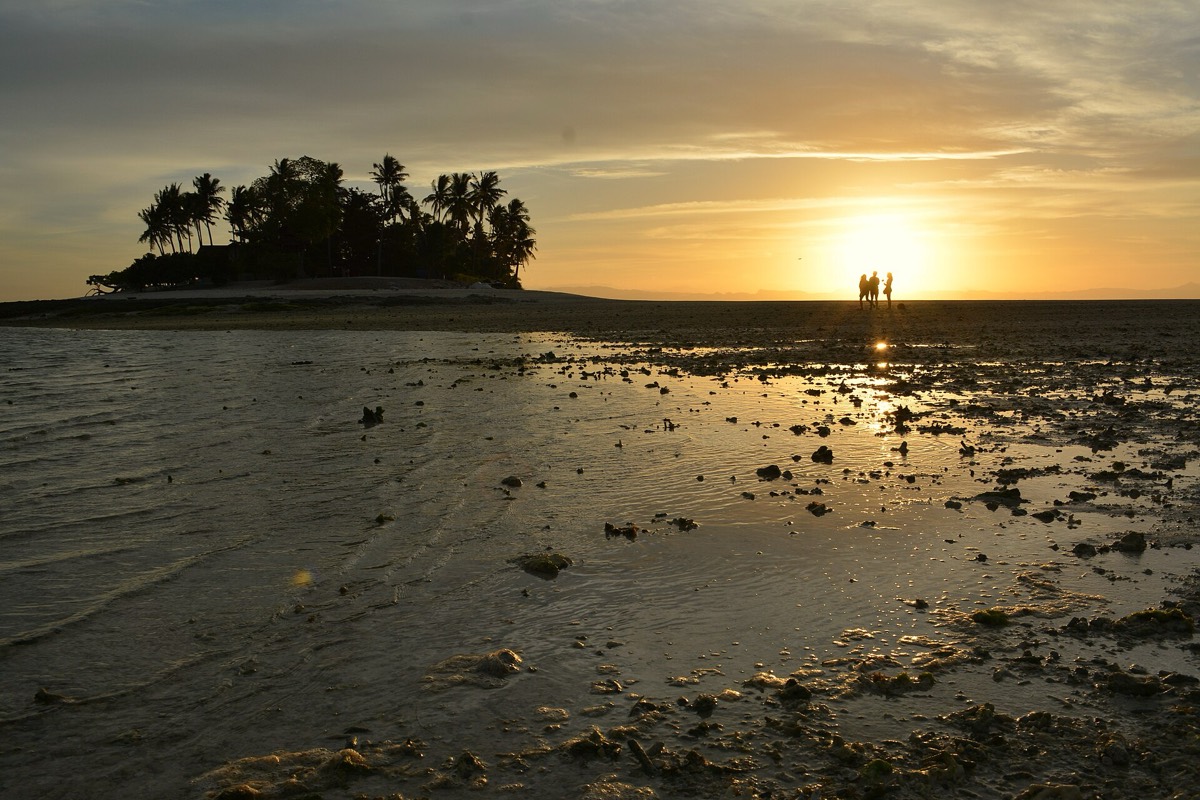
The sandbars themselves move. Currents and storms reshape them from season to season, so one year the western tail is long and thin, the next it’s broader or bent. Boatmen from Malapascua know the best side to land on depending on wind and tide.
Leyte is a different province from Cebu, with Waray as the main local language, though Cebuano is widely understood. It’s also where the Leyte Gulf landings of 1944 took place, a reminder of how much history the waters of the Visayas have seen.

Getting there
Arrange a private bangka in Malapascua through your resort, a dive shop or a boatman on the beach; sharing with other travellers cuts the cost. The ride takes around 1.5–2 hours each way in good conditions, more if the sea is choppy.
If you are travelling through Leyte instead, boats go from Palompon’s port in about an hour, and you register and pay fees at the tourism office there.
A suggested plan
- 6:00Leave Malapascua early, while the sea is usually calmer.
- 8:00Land on Kalanggaman, register and pay the entrance fee.
- 8:30Walk the full length of the sandbars before the sun gets high.
- 10:30Snorkel along the reef edge, then rest in the shade.
- 12:00Lunch of grilled fish brought from Malapascua.
- 14:00Head back, arriving in time for sunset on Malapascua.
Where to stay
Stay on Malapascua and treat this as a long day trip; the island has more places to sleep and eat, and boatmen there do this run regularly. Overnight camping on Kalanggaman is possible only when permitted and needs your own gear.
Good to know
- Bring food, plenty of water, a hat, a rash guard and reef-safe sunscreen.
- Agree with the boatman on fuel, lunch, fees and return time before setting out.
- Take all rubbish back with you; there’s no way to dispose of it on the island.
- A dry bag keeps phones and clothes safe on the crossing.
- This is an open-sea crossing: if the boatman is unsure about the weather, don’t go.
- There is very little shade on the sandbars; sunburn and heatstroke come fast.
- Currents off the tips of the sandbars can be strong; swim in the sheltered shallows.