A food trail through Kuah
From roti canai at dawn to grilled fish by the water at night, a day of eating your way through the island’s working town.

- Area
- Kuah & the south
- Start from
- Kuah town centre
- Distance
- walking distance and short taxi rides
- Time needed
- 1 day
- Best season
- All year
- Difficulty
- Easy
- Transport
- On foot and taxi
- Tickets & rules
- None
Why go
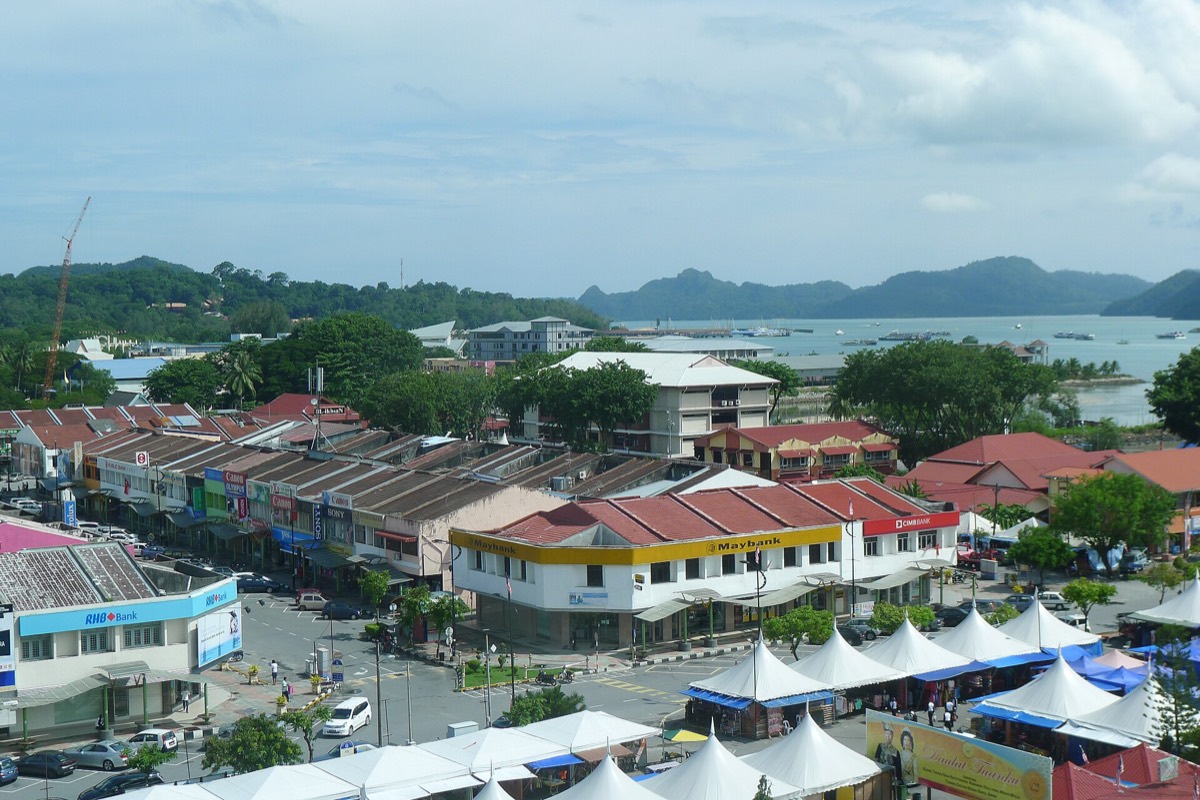
Kuah is where Langkawi eats. Away from the beach menus, the town is full of small coffee shops, Malay rice stalls, Indian-Muslim restaurants and seafood places that cater to locals, and the food is good, cheap and honest.
Start the day with roti canai, flaky flatbread with curry dip, and a glass of teh tarik, sweet milky tea poured from height until it foams. At lunchtime, nasi campur stalls lay out trays of curries, vegetables, fried fish and sambal, and you point at what you want.
In the evening, head toward the waterfront for ikan bakar, fish grilled over charcoal with chilli paste and served with rice. I ate grilled stingray in banana leaf on a plastic stool, watching boats come in, and it was one of the best meals of the whole trip.
The story
Langkawi belongs to the state of Kedah, Malaysia’s ‘rice bowl’, and its cooking shares much with the mainland: rice at the centre, curries with coconut milk, sour and spicy notes from tamarind and lime, and lots of fresh fish.
The nearness of southern Thailand shows in dishes with lemongrass, lime and chilli, and in some Thai-run stalls. Indian-Muslim restaurants bring roti, murtabak and nasi kandar, while Chinese coffee shops serve noodles and dim sum.
Laksa in this part of Malaysia is often a fish-based, tangy broth with thick rice noodles, quite unlike the creamy curry laksa of Kuala Lumpur. Ask for it at stalls and markets; it is a local favourite for breakfast and lunch.
Being duty-free, Kuah is also where people come for chocolate, coffee and spices to take home. Small shops sell local honey, dried fish and keropok, crunchy fish crackers that are a typical souvenir.

Getting there
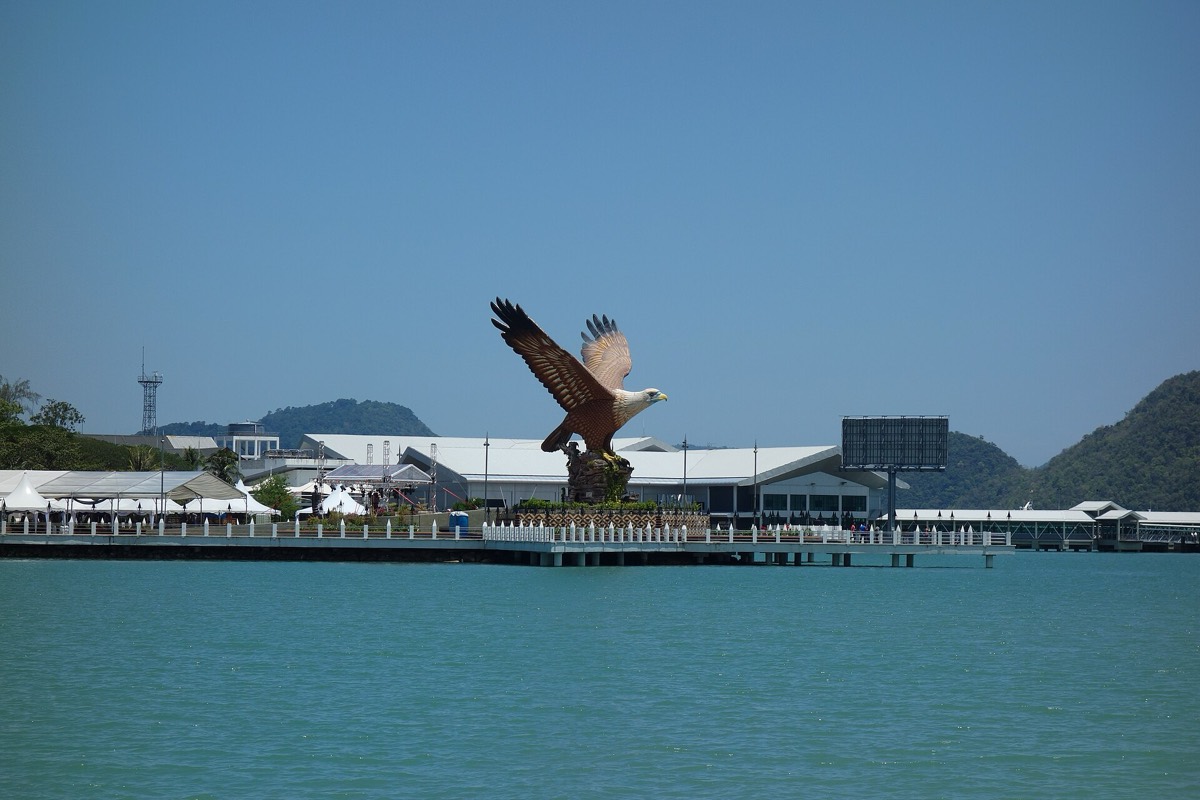
Kuah town centre is about 30 minutes by taxi from Pantai Cenang. Once there, much of it is walkable, but a car or taxi helps to reach seafood spots along the coast.
Ride-hailing apps make hopping between eating spots easy; prices are low by international standards.
A suggested plan
- BreakfastRoti canai and teh tarik at a busy coffee shop.
- Mid-morningWander the town market for fruit and snacks.
- LunchNasi campur at a Malay rice stall.
- AfternoonLaksa or cendol, then browse food shops for souvenirs.
- EveningIkan bakar and seafood by the water.
Where to stay
Stay in Kuah for this route, or come from Pantai Cenang by taxi and head back after dinner.
Good to know
- Eat where locals eat; busy stalls mean fresh food.
- Many places are halal and do not serve alcohol.
- Seafood is priced by weight; ask the price before ordering.
- Point and smile; menus are not always in English.
- Confirm seafood prices in advance to avoid surprises.
- Some stalls close on Fridays around midday prayers.