Fireflies on the mangrove river
After dark, a small boat drifts along the mangrove edge while thousands of fireflies pulse in the trees, and fruit bats cross a sky full of stars.

- Area
- North coast & Kilim
- Start from
- Kilim or nearby jetties
- Distance
- a short boat ride of a few kilometres
- Time needed
- evening
- Best season
- All year; best on dark, moonless nights
- Difficulty
- Easy
- Transport
- Taxi to the jetty, small boat on the river
- Tickets & rules
- Boat tour fee
Why go
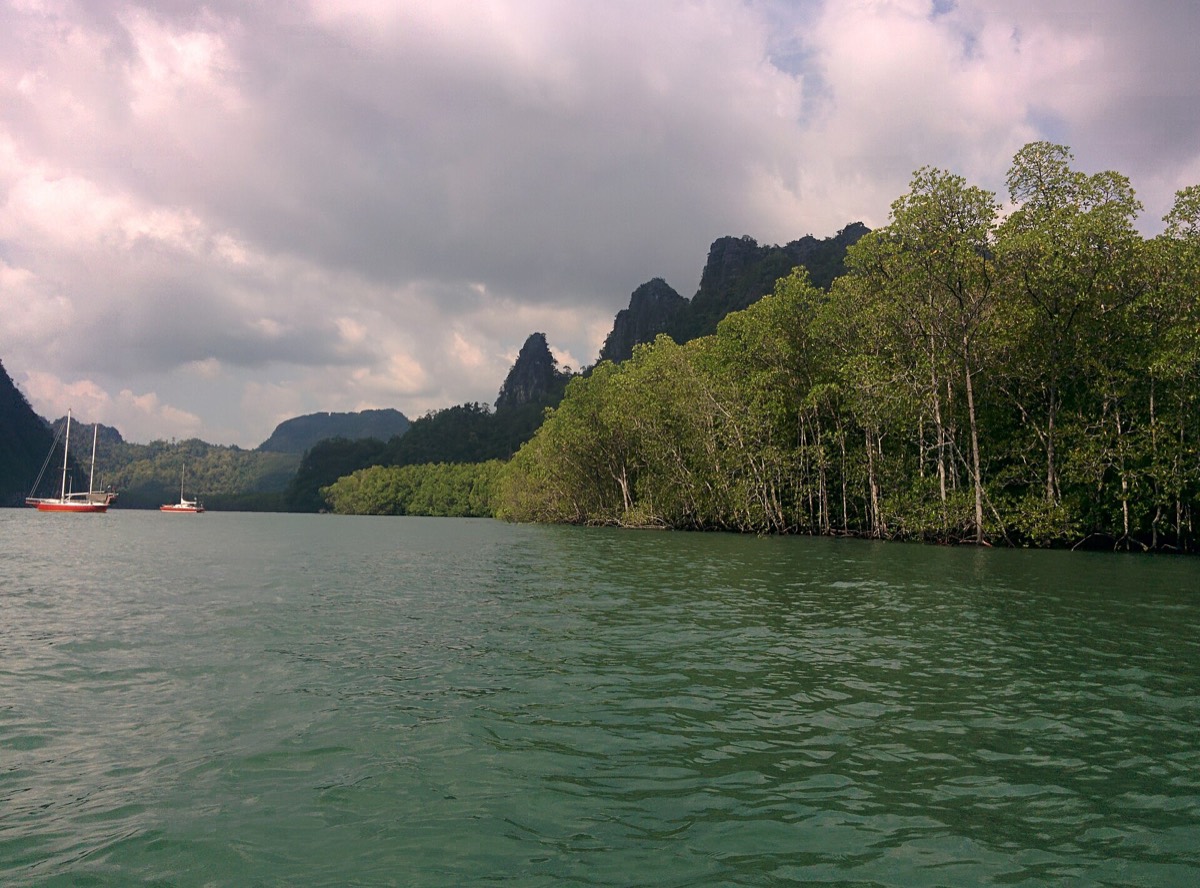
This is the route I tell people not to skip. As the sun goes down, boats leave from the north-east of the island and slip into the mangrove channels. The boatman cuts the engine, the water goes black and still, and then the trees begin to flicker: tiny lights, hundreds of them, blinking in the leaves along the bank.
The fireflies gather on particular mangrove trees, and on a good night they flash almost in unison, as if the whole tree is breathing. There are no lights on the boat and almost no sound except the water, a few frogs, and sometimes the wingbeats of fruit bats leaving the limestone for the night.
Many evening tours also start earlier, with a sunset ride through the channels and a stop to watch the eagles going to roost. Seeing the same river by day and then by night feels like visiting two different places.
The story
Fireflies are beetles, and the light comes from a chemical reaction in their abdomen, used to attract mates. Some species in Southeast Asia gather in large numbers on specific riverside trees, and the males flash in rhythm, a phenomenon that still puzzles scientists and delights everyone else.
Malaysia is famous for these congregations, especially at Kuala Selangor near Kuala Lumpur, but the Langkawi mangroves have their own populations. They depend on healthy riverbanks: the larvae live on the ground and feed on snails, and the adults need particular trees. Cutting mangroves or adding bright lights can make them disappear within a few years.
Local guides talk about the fireflies with a kind of pride, and many grew up seeing them from their family boats. Some remember grandparents saying the lights were the spirits of the forest, and children were told not to point at them.
The bats you see heading out at dusk are mostly flying foxes and smaller fruit bats, which pollinate durian and other fruit trees. Without them, Langkawi’s orchards would produce far less.

Getting there
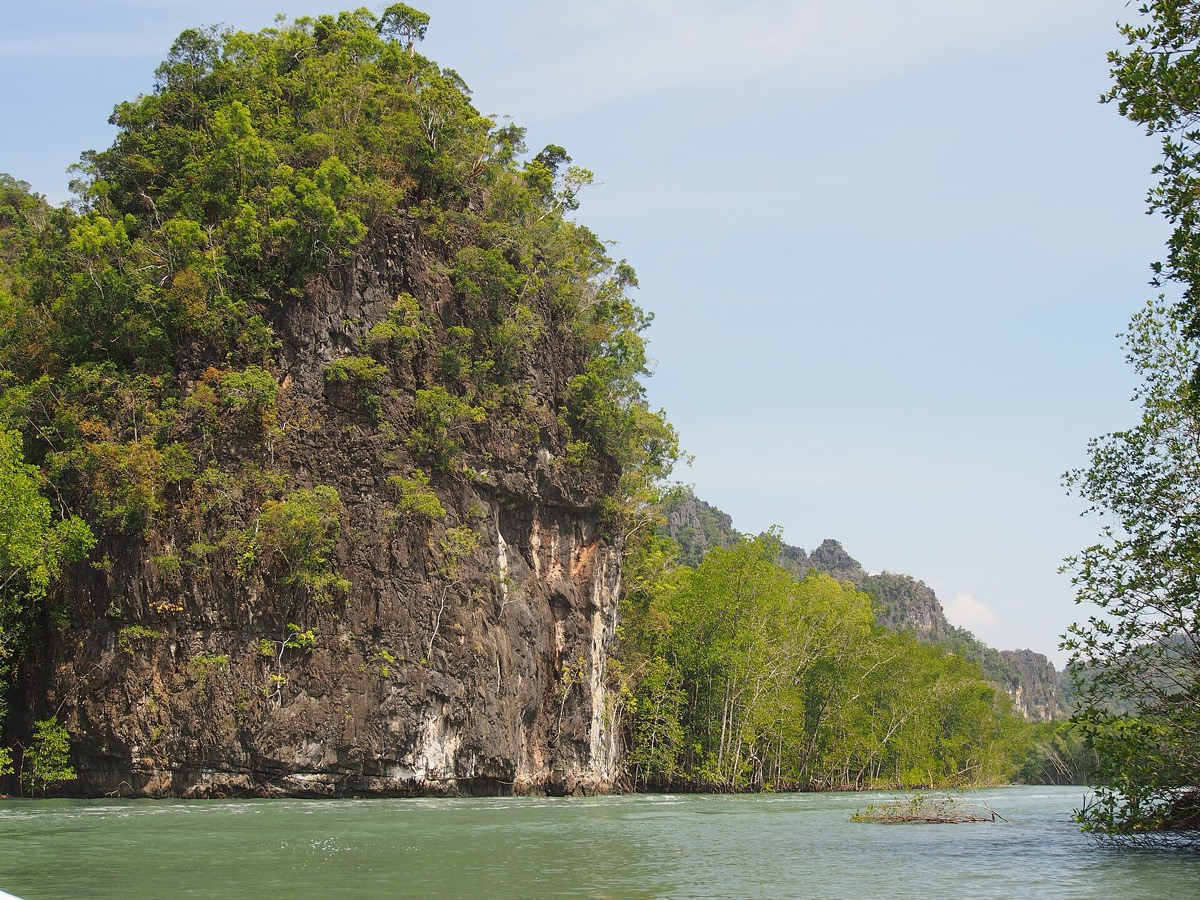
Firefly trips leave from jetties in the Kilim area and a few other rivers in the north-east, usually around sunset. Many hotels and agencies sell them with transfers, which saves the hassle of finding a taxi back after dark.
The tours last around two to three hours including transfers. Ask in advance whether the trip is small-group and whether the boatman turns off engines and lights near the trees.
A suggested plan
- Around 6 pmPick-up or taxi to the jetty.
- SunsetBoat ride through the channels while eagles return to roost.
- DuskWatch fruit bats leaving the limestone cliffs.
- After darkDrift silently past the firefly trees, engine and lights off.
- Late eveningReturn to the jetty and drive back for a late dinner.
Where to stay
Stay in Kuah or the north-east if you want a short transfer. From Pantai Cenang, a pre-arranged tour with transport is easiest.
Good to know
- Choose a night with little moon for the best display.
- Wear long sleeves and repellent; mosquitoes come out at dusk.
- Do not use flash or phone torches; they disturb the insects.
- Phone cameras rarely capture fireflies well; enjoy them with your eyes.
- Choose operators who keep boats slow and dark and do not shake branches.
- Heavy rain can cancel trips; check before you set out.
- Life jackets should be provided; ask if not.