Chow Kit: the city’s great wet market
Mountains of chillies, ice-packed fish, dried anchovies and tropical fruit in the biggest and most chaotic wet market of Kuala Lumpur.

- Area
- Neighbourhoods
- Start from
- Central Kuala Lumpur
- Distance
- walking distance
- Time needed
- 2–3 hours
- Best season
- All year; early morning
- Difficulty
- Easy
- Transport
- Monorail to Chow Kit station
- Tickets & rules
- None
Why go
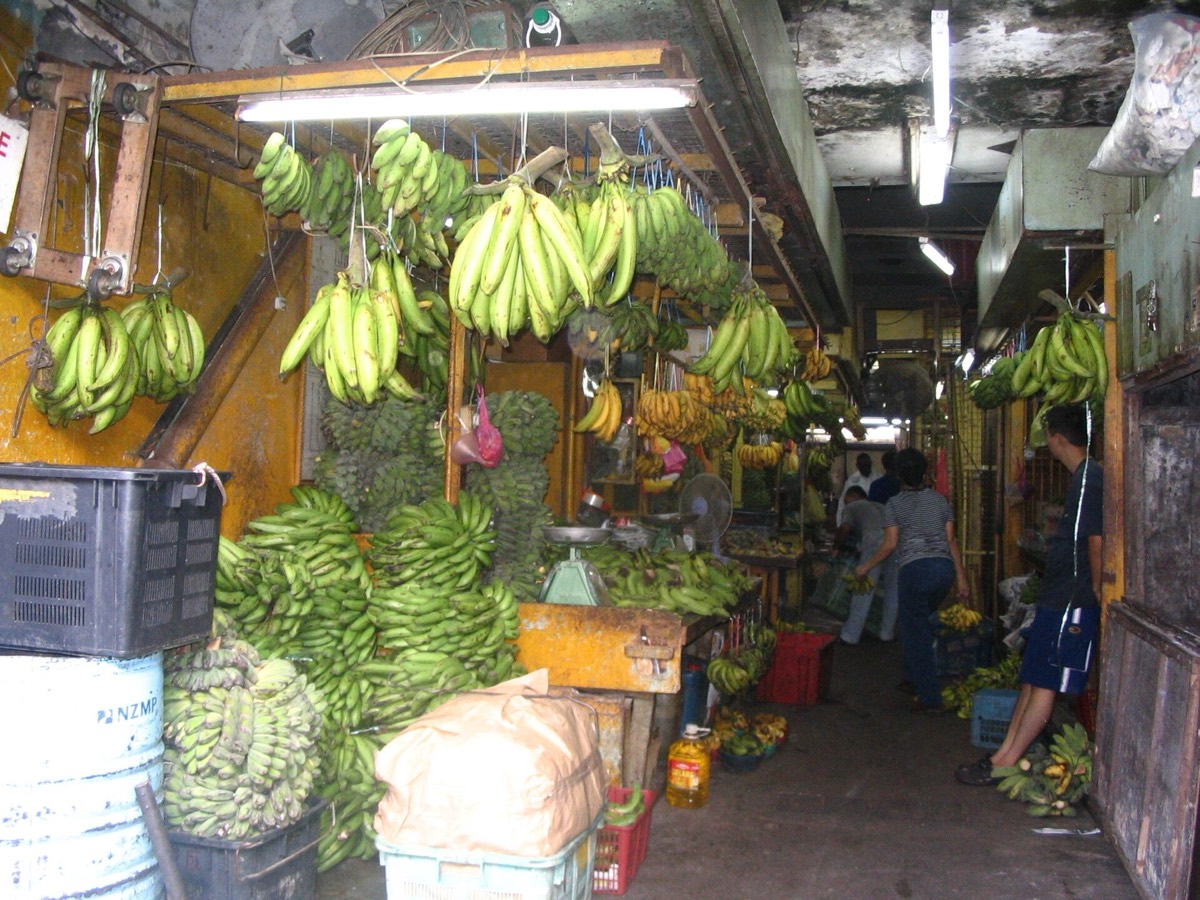
Chow Kit is Kuala Lumpur without makeup. Its wet market, Bazaar Baru Chow Kit, is a maze of covered lanes where traders shout prices over piles of fish on ice, coconut is grated by machines, chickens are plucked, and housewives haggle for spices, galangal, lemongrass and banana flowers.
It’s a feast for the senses, not all pleasant ones. Floors are wet, the smell of fish and durian hangs in the air, and the lanes are tight. But for anyone who loves food, this is where you see the raw ingredients of Malaysian cooking: dozens of kinds of rice and chillies, petai beans, salted fish, fresh tempeh and jackfruit the size of a child.
Around the market are cheap Malay and Indonesian stalls, and the old shophouse streets of Jalan Raja Bot and Jalan Haji Taib. It’s perfect for an early morning before the heat.
The story
The neighbourhood takes its name from Loke Chow Kit, a Cantonese businessman of the late nineteenth century who owned a department store and a large house in the area, and was involved in the city’s early business and civic life.
For much of the twentieth century Chow Kit was a busy market district and a magnet for newcomers from the countryside and from Indonesia, especially Sumatra, which explains the Minangkabau and Acehnese restaurants nearby. The area also had a rough reputation, and to some extent it still does at night.
The market supplies many of the city’s restaurants and households, and has the energy of a place where people come to work, not to be seen. It’s also one of the best places to taste fruit you won’t find at home: mangosteen, rambutan, salak, cempedak, and several kinds of banana.

Getting there
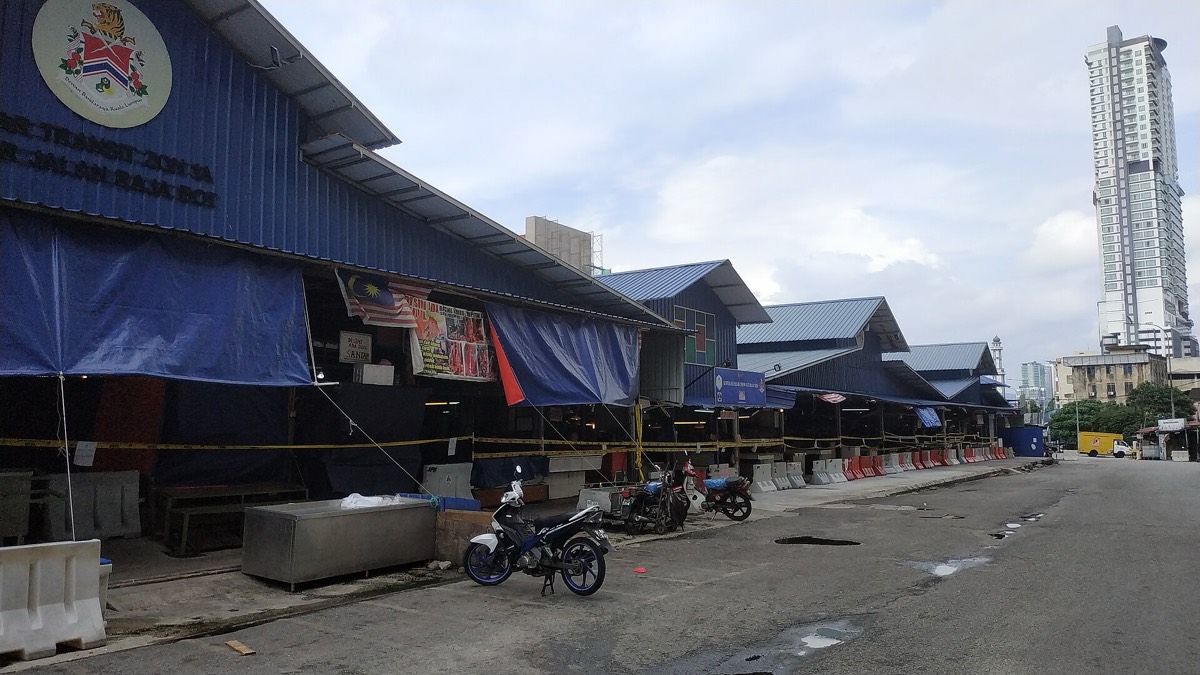
Take the Monorail to Chow Kit station; the market is a short walk west along Jalan Raja Bot. It’s also within walking distance of Kampung Baru and the Medan Tuanku station.
A suggested plan
- 7:30Arrive early, when the market is at its liveliest and coolest.
- 8:00Walk through the fish, meat and vegetable lanes, then the dried goods section.
- 9:00Try fruit or a breakfast of nasi lemak or Indonesian dishes at the stalls.
- 10:00Walk to Kampung Baru to continue the morning.
Where to stay
There are some budget hotels around Chow Kit, but most visitors prefer to stay in Kampung Baru, KLCC or Chinatown and come here for a morning.
Good to know
- Wear closed shoes you don’t mind getting wet.
- Bring small cash and a bag.
- Ask before photographing traders; most are friendly if you smile.
- Try fruit in season; ask vendors to open it for you.
- Watch your pockets in the crowded lanes.
- The surrounding streets can feel sketchy late at night; come in the morning.