Perdana Botanical Gardens and the old Lake Gardens
Lakes, orchids, hibiscus and a giant walk-in aviary in the city’s oldest park, where KL still goes for its morning walk.

- Area
- Green KL
- Start from
- Central Kuala Lumpur
- Distance
- about 3 km from the centre; 4–6 km of walking
- Time needed
- half a day
- Best season
- All year; early morning
- Difficulty
- Easy
- Transport
- Grab, or walk from KL Sentral or the National Mosque
- Tickets & rules
- Gardens free; KL Bird Park needs a ticket
Why go
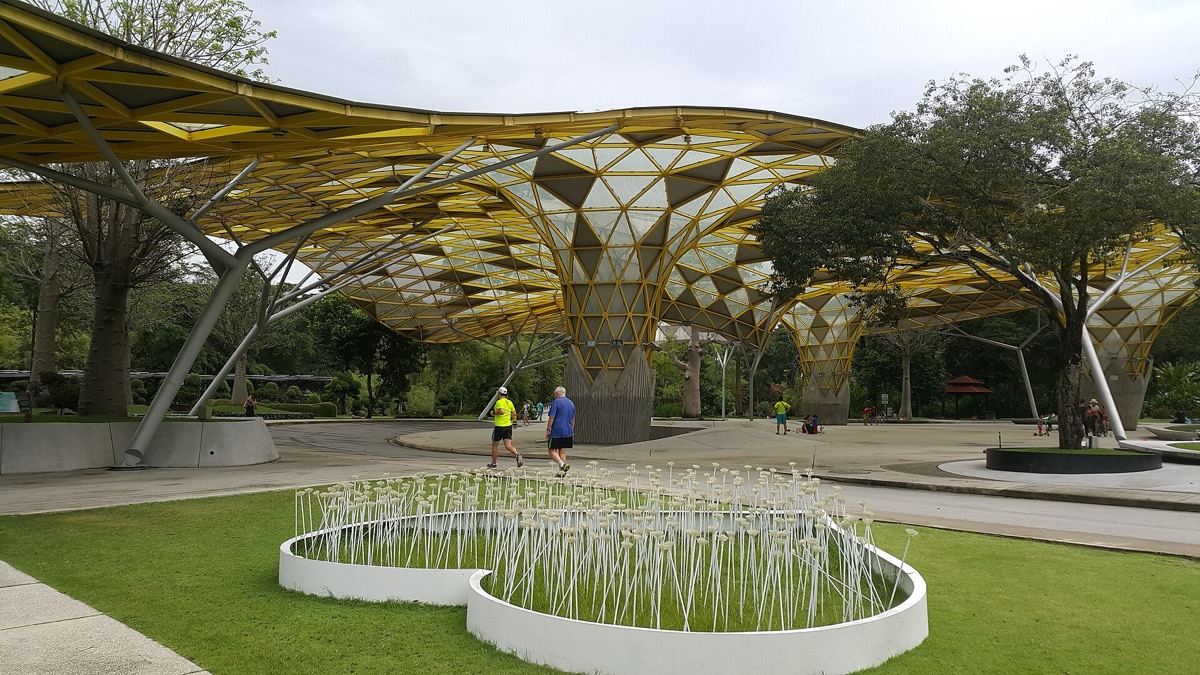
The Perdana Botanical Gardens, which everyone still calls the Lake Gardens, are Kuala Lumpur’s green lung, more than 90 hectares of lawns, lakes and old trees on a hill just west of the old centre. At seven in the morning the paths fill with joggers, tai chi groups and grandparents with grandchildren, and the light through the rain trees is soft and golden.
Inside are smaller gardens: the Orchid Garden with hundreds of species, the Hibiscus Garden devoted to Malaysia’s national flower, a deer park with tiny mouse deer, and a quiet sunken garden. Free to enter, they are a calm counterpoint to the city.
Next to them, the KL Bird Park is one of the largest free-flight walk-in aviaries in the world, a huge netted valley where hornbills, egrets, peacocks and parrots wander almost at your feet. It is touristy, but children and adults alike come out smiling.
The story
The gardens were laid out in 1888 by Alfred Venning, the British state treasurer of Selangor, who turned a swampy valley into a lake and a landscaped park. The colonial elite built their bungalows on the surrounding hills, including the grand residence of the British Resident, Carcosa, which later became a hotel.
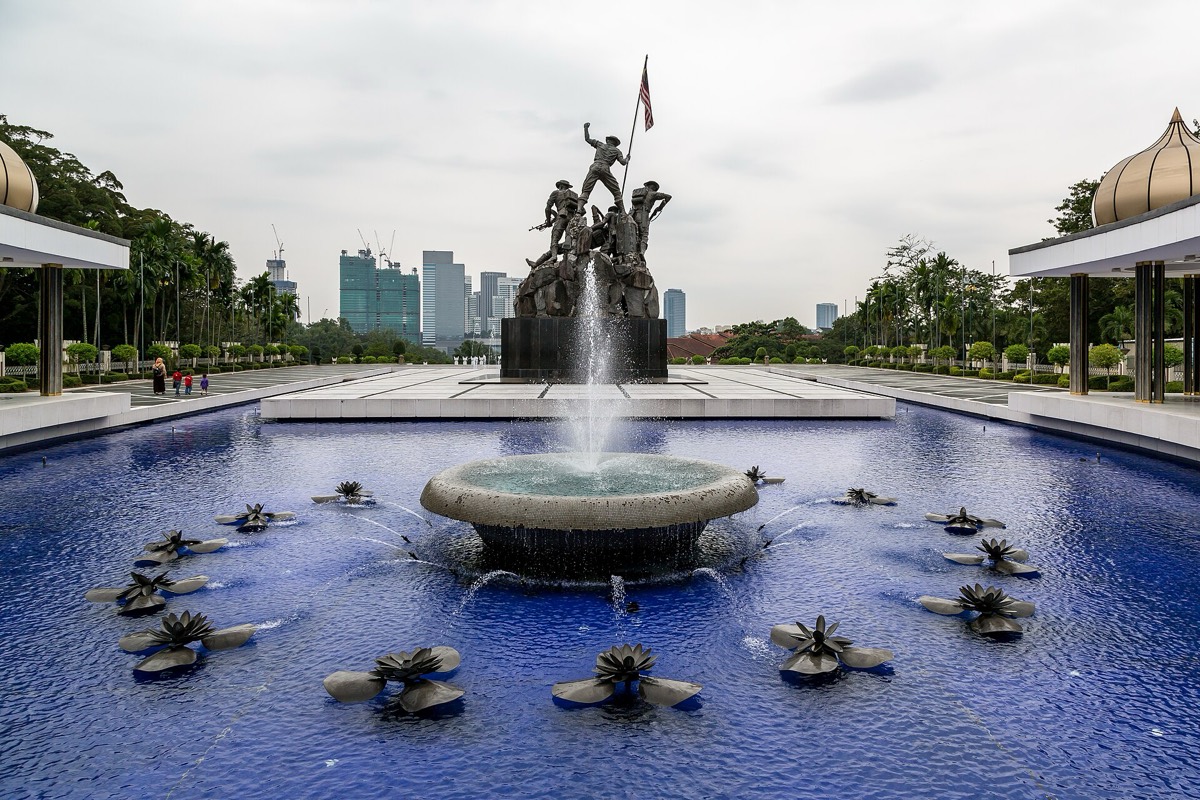
Nearby stands the National Monument, Tugu Negara, a bronze group of soldiers created by the American sculptor Felix de Weldon, the man behind the Iwo Jima memorial in Washington. It commemorates those who died during the Malayan Emergency, a quiet and moving place among the lawns and fountains.
In 2011 the park was renamed Perdana Botanical Gardens and redeveloped as a botanical garden with plant collections. Many of the older trees, some over a century old, are labelled, and you can spot rain trees, tembusu and huge fig trees with hanging aerial roots.

Getting there
A Grab from the centre takes about ten minutes. On foot, you can walk from KL Sentral or from the National Mosque and the Islamic Arts Museum, about 15 minutes, though the roads can be hot and steep. A hop-on tourist tram sometimes runs inside the park.
A suggested plan
- 7:00Arrive early and walk around the main lake with the morning crowd.
- 8:00Visit the Orchid and Hibiscus gardens before the heat.
- 9:00Enter the KL Bird Park at opening time to see the birds being fed.
- 11:00Walk to the National Monument and down to the Islamic Arts Museum.
- 12:30Lunch in the museum café or back in the city.
Where to stay
KL Sentral and Brickfields hotels are the closest; Chinatown is a short ride away.
Good to know
- Mornings are cooler and the park is at its most beautiful.
- Bring mosquito repellent, especially near the water.
- Combine with the Islamic Arts Museum and the National Mosque nearby.
- The Bird Park café overlooks the aviary and is a nice place for a cold drink.
- Afternoon storms come quickly; there’s little shelter on open lawns.
- Monkeys and monitor lizards live in the park; don’t feed or approach them.