Tabin: mud volcanoes and a lost rhino
A big wildlife reserve of recovering forest, where elephants and birds come to lick minerals from bubbling mud volcanoes, and where Malaysia's last Sumatran rhinos once lived.

- Area
- Kinabatangan & Danum
- Start from
- Lahad Datu
- Distance
- about 50 km
- Time needed
- 2–3 days
- Best season
- All year; drier months easier
- Difficulty
- Moderate
- Transport
- 4WD transfer from Lahad Datu
- Tickets & rules
- Entry and conservation fees; stays must be pre-booked
Why go
Tabin is less famous than Danum and much easier to reach, a good choice if you have a couple of days and want a real jungle feel. Much of the reserve is secondary forest, logged decades ago and now regrowing, which actually makes it good for spotting animals: elephants, macaques, langurs, civets, and lots of birds feeding at the forest edge.
The highlight is the mud volcanoes, places where mineral-rich mud bubbles up from underground. Animals come to lick the salty earth, and from a viewing tower you might see birds, deer or even elephants at dawn. The largest mud volcano is a grey, cracked clearing where the ground is warm and sometimes quietly bubbling.
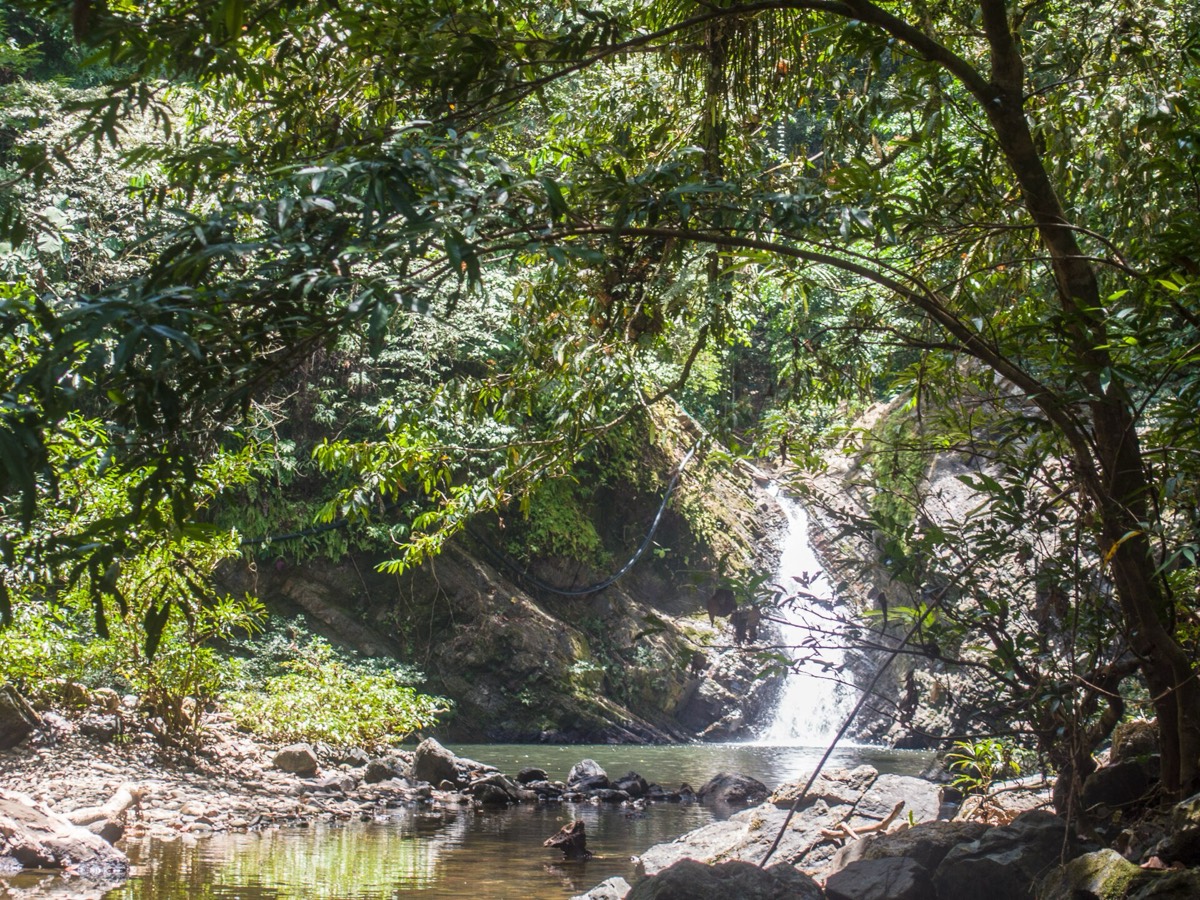
There are also trails to waterfalls and a river where you can swim, and night drives along the old logging roads to look for leopard cats, civets and owls.
The story
Tabin Wildlife Reserve covers about 1,200 square kilometres of lowland forest near Lahad Datu, gazetted in 1984. It was long seen as the last stronghold of the Sumatran rhino in Malaysia, the smallest and hairiest of the rhinos.
Conservationists caught the last known rhinos in Sabah to try to breed them in a protected facility at Tabin. Despite years of effort, the last male, Tam, died in May 2019, and the last female, Iman, in November 2019. With her death, the species was declared extinct in Malaysia. Her cells were preserved in the hope that future science might help the remaining population in Indonesia.
It's a sad story, and guides tell it honestly. But Tabin's forest is recovering, and it continues to protect elephants, orangutans and many other animals. Seeing them thriving in a once-logged forest is a quieter kind of hope.

Getting there
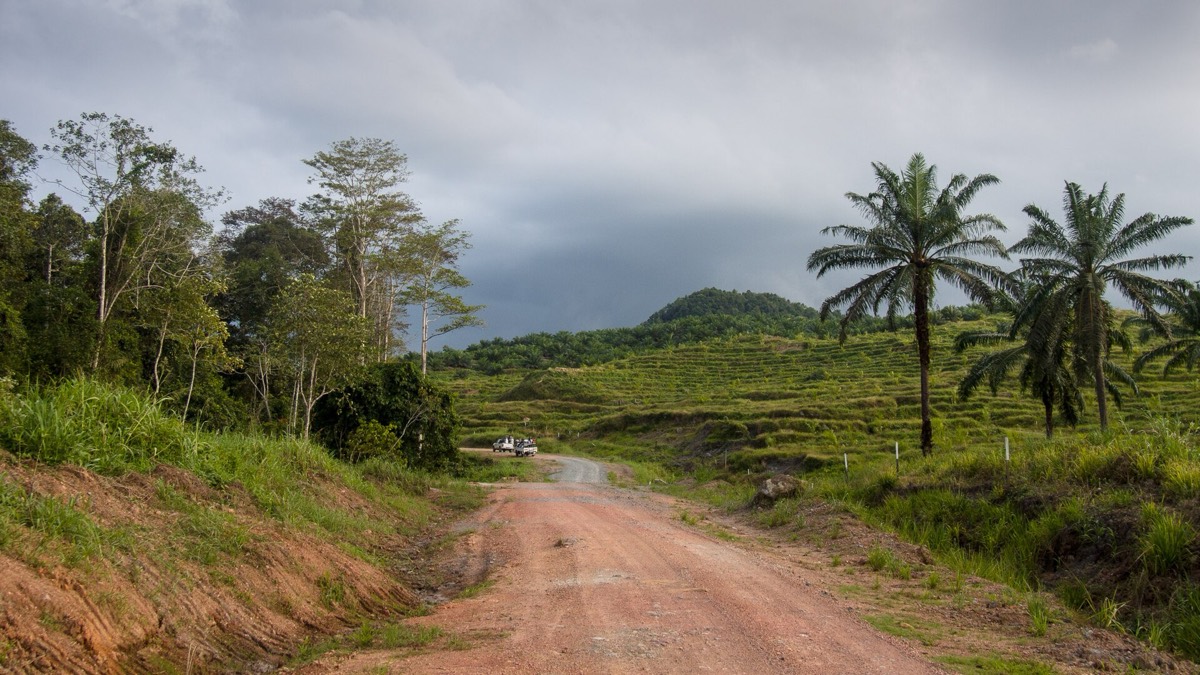
Fly to Lahad Datu from KK, then a pre-arranged transfer of about an hour and a half, much of it on gravel roads through oil palm.
As with Danum, you need to book a stay; transfers and guiding are included.
A suggested plan
- Day 1 afternoonArrive, walk to the mud volcano, night drive.
- Day 2 dawnBird and wildlife watching from the mud volcano tower.
- Day 2Waterfall trail and a swim in the river.
- Day 2 nightNight walk for frogs, insects and sleeping birds.
- Day 3 morningA final walk, then transfer back to Lahad Datu.
Where to stay
There's a main lodge in the reserve with chalets and a restaurant; packages include meals and activities.
Good to know
- Bring leech socks and a waterproof bag for electronics.
- The mud volcano is slippery and warm; wear sturdy shoes.
- Elephant sightings are never guaranteed; patience pays.
- Keep your distance from elephants at all times.
- Ticks and leeches are common; check yourself after walks.