Coffee Gardens Around Paksong
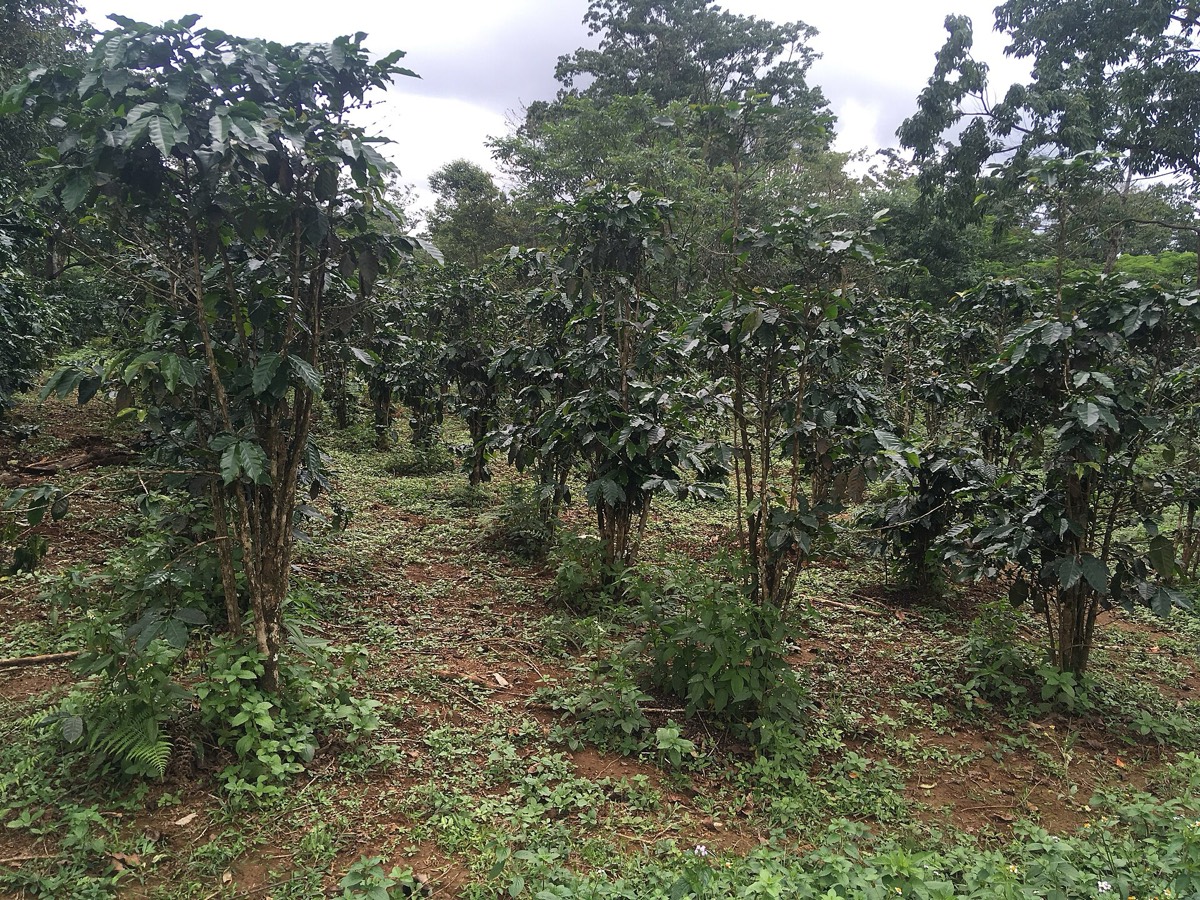
Red cherries on dark green bushes, beans drying on bamboo mats and a cup brewed by the farmer who grew it, in the cool capital of Lao coffee.

- Area
- Bolaven Plateau
- Start from
- Pakse
- Distance
- about 50 km to Paksong
- Time needed
- 1 day
- Best season
- Harvest roughly November – February; farms visitable all year
- Difficulty
- Easy
- Transport
- Motorbike, car with driver or tour
- Tickets & rules
- Farm visits sometimes charge a small fee or include a tasting
Why go
Paksong is not a beautiful town. It was badly damaged during the wars of the twentieth century and rebuilt in concrete. But its surroundings are among the most pleasant landscapes in Laos: rolling hills covered with coffee bushes, shade trees and vegetable patches, and the scent of drying beans in the air.
Spending a day among the coffee farms is the best way to understand the plateau. Several smallholders and cooperatives welcome visitors, show you the plants and the processing, and finish with a tasting. I learned more about coffee in one morning here than in years of drinking it.
It is also a good rainy-day plan. When clouds swallow the waterfalls, a warm cup and a long conversation on a farmer’s porch is a fine way to wait them out.
The story
French planters brought coffee to the Bolaven Plateau in the early twentieth century, experimenting with arabica, then robusta, which proved more resistant to disease. The plantations were abandoned during the long conflicts that followed, and the plateau was heavily bombed. Coffee returned on a small scale with local families and, from the 1990s, with cooperatives and export companies.
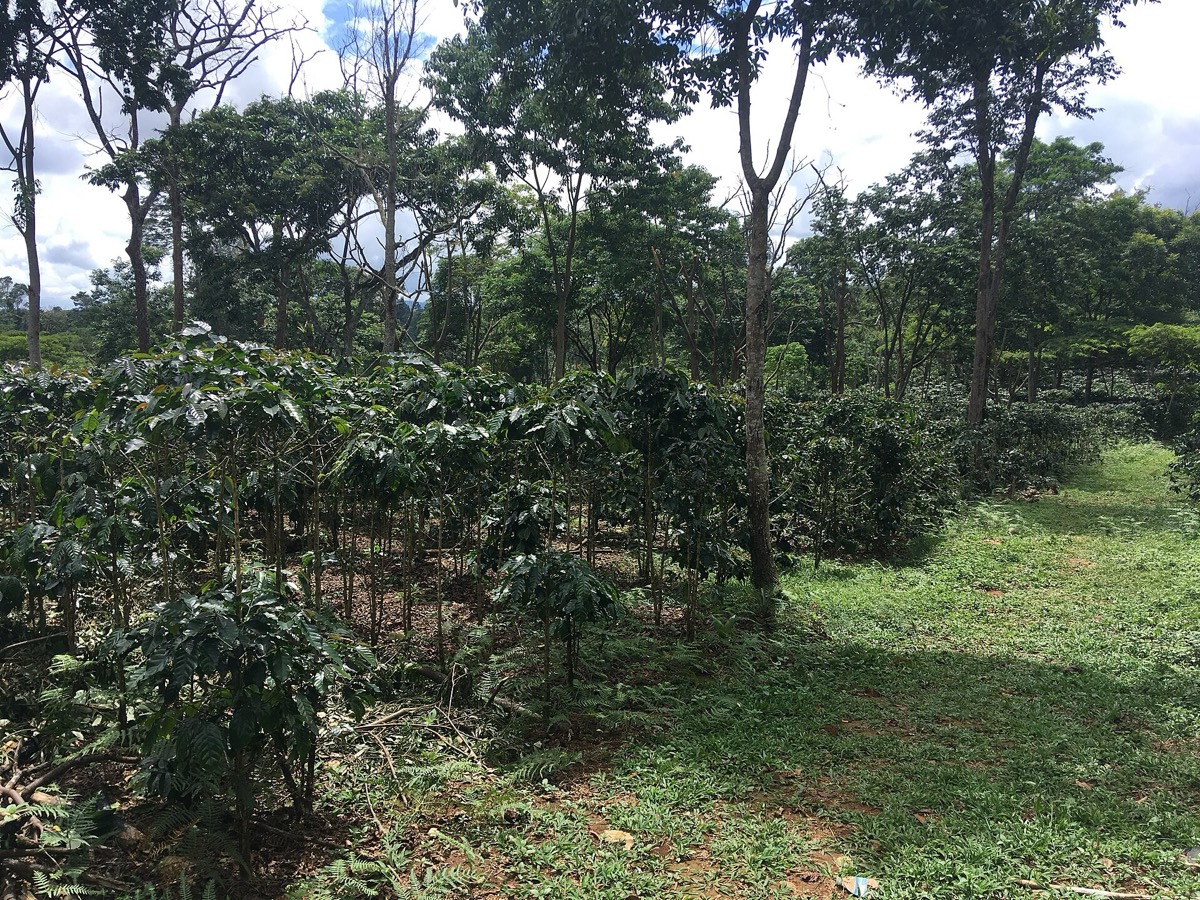
Today most Bolaven coffee is grown by smallholders on a few hectares each, often alongside cardamom, tea and vegetables. Robusta still dominates, much of it ending up in instant coffee and blends, but there is a growing interest in carefully processed arabica, with washed, natural and honey methods you can watch on farm tours.
Paksong is also known for its weekly rhythms of trade. Buyers from Pakse and further afield come during the harvest, and the town’s roadside is lined with sacks of green beans. In the cool season you may see families sorting beans by hand on tarpaulins, picking out the broken and black ones one by one.

Getting there
Paksong lies about 50 km east of Pakse on Route 16, roughly an hour and a half by motorbike if you stop at the falls on the way. Coffee farms with visitor programmes are scattered around the town; ask at your guesthouse or at the cafés along the main road, which often know who is welcoming guests this season.
Tours from Pakse frequently include a short coffee farm stop alongside Tad Fane and Tad Yuang.
A suggested plan
- 8:00Ride from Pakse, or start in Paksong if you slept there.
- 9:00Walk through a coffee garden with a farmer or guide; see cherries, shade trees and nursery seedlings.
- 10:30Watch processing: pulping, fermenting, drying on raised beds.
- 11:30Tasting of different beans and roasts; buy a bag direct.
- 13:00Lunch in Paksong, then ride to a nearby waterfall or back to Pakse.
Where to stay
Paksong has several simple guesthouses, plus homestays in villages nearby. Nights are noticeably cool, sometimes close to 10°C in December and January, so check that your room has a decent blanket.
Good to know
- Bring a jacket; Paksong is often misty and damp.
- Buy beans from farmers or cooperatives directly when possible; it helps small growers more.
- Try the local habit of coffee with a glass of weak tea on the side.
- The Paksong market in the morning sells highland vegetables, strawberries in season and wild produce.
- Do not wander into fields or forest off marked paths; unexploded ordnance is still found on the plateau.
- Roads around Paksong turn to slippery mud after rain; ride with care.