The Bolaven Loop by Motorbike
Coffee gardens, misty pine forest, a dozen waterfalls and minority villages on a looping ride across the cool highland east of Pakse.

- Area
- Bolaven Plateau
- Start from
- Pakse
- Distance
- small loop about 220 km; large loop about 320 km
- Time needed
- 2–4 days
- Best season
- November – February is ideal; waterfalls strongest June – October
- Difficulty
- Moderate
- Transport
- Rented semi-automatic or automatic motorbike, or a car with driver
- Tickets & rules
- Small entry fees at most waterfalls; parking fees for bikes
Why go
If you do only one thing in southern Laos, many people will tell you to do the loop, and for once the crowd is right. The Bolaven Plateau rises gently east of Pakse to around 1,000 to 1,300 metres, and a road circles across it from waterfall to waterfall, through coffee gardens and villages where children wave from every doorway.
It is the freedom that makes it. You stop when a sign points to a falls you have never heard of, you drink coffee with the farmer who grew it, you get lost on a red dirt track and are rescued by a grandmother with a buffalo. The air is cooler than in Pakse, sometimes cold enough at night for a jacket.
The small loop, Pakse to Paksong, Tha Teng, Tad Lo and back, fits into two or three days. The large loop adds Sekong and Attapeu and needs at least four.
The story
The plateau takes its name from the Laven, one of several Mon-Khmer speaking peoples who have lived here for centuries alongside the Alak, Katu, Nge and Suay. Villages often keep their own traditions, from house styles to spirit posts, and many still farm rice and vegetables in the old way alongside coffee.
Coffee came with the French in the early twentieth century, when planters found the volcanic soil and cool, wet climate ideal. The industry suffered during decades of war in the region, when the plateau was strategically important and heavily bombed, but it revived from the 1990s. Today Bolaven coffee, mostly robusta with a growing share of arabica, is Laos’ best-known export crop.
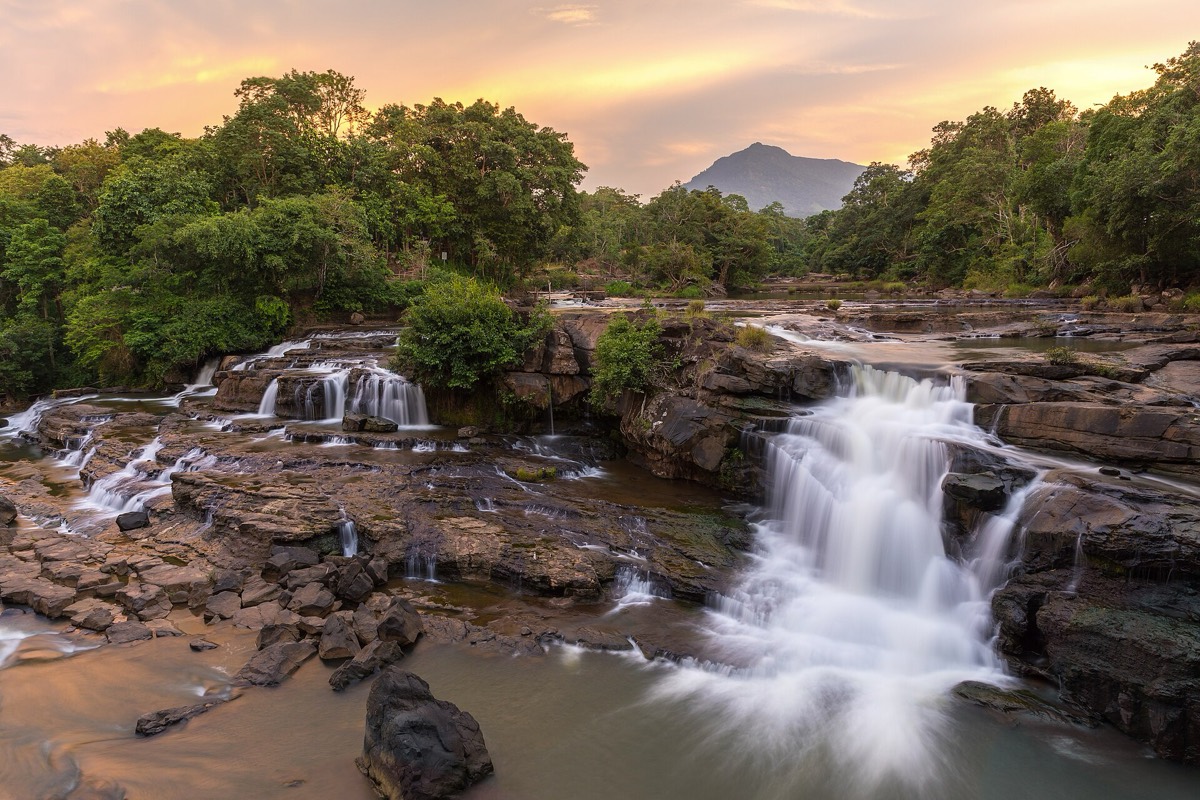
The waterfalls are the plateau’s other gift. Rivers draining the volcanic tableland drop off its edges in spectacular falls: Tad Fane, Tad Yuang, Tad Champi, Tad Lo and many smaller ones. In the rainy season they thunder; in the dry season some shrink to delicate ribbons that you can swim beneath.

Getting there
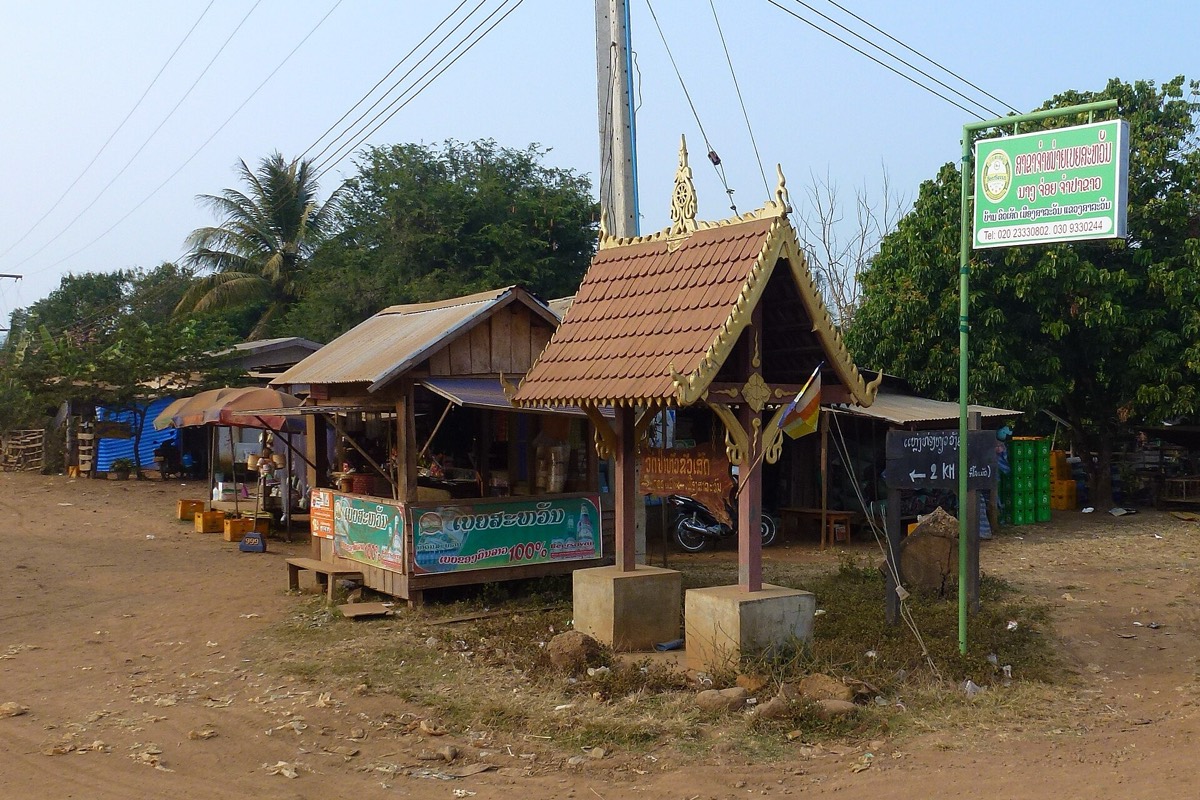
Pakse has many motorbike rental shops; expect to leave a passport copy or deposit, and check brakes, lights and tyres before you go. A typical small loop runs east on Route 16 to Paksong, north to Tha Teng, west to Tad Lo, then back down via Route 20 to Pakse. Roads are mostly paved but potholed in places, with dirt sections on side tracks.
If you are not confident on two wheels, hire a car with driver for a day or two, or join one of the day tours that cover the main falls and a coffee farm.
A suggested plan
- Day 1Pakse to Paksong via Tad Champi, Tad Pasuam, Tad Fane and Tad Yuang; sleep in Paksong.
- Day 2Morning coffee farm visit, then north via Tha Teng to Tad Lo; swim in the falls by afternoon.
- Day 3Walk to the upper falls and villages around Tad Lo, then ride back to Pakse.
- Day 4 (optional)Extend east to Sekong and the waterfalls around it, returning via Attapeu on the large loop.
Where to stay
Paksong and Tad Lo are the natural overnight stops, both with simple guesthouses and a few lodges near the falls. Booking a day ahead is enough most of the year, though weekends and Lao holidays fill the most popular places.
Good to know
- Carry a printed or offline map; mobile signal drops in the valleys.
- Fuel up in towns and fill whenever you see a pump; small shops also sell fuel in bottles.
- Pack a warm layer and a rain cover for your bag, even in the dry season.
- Some waterfalls charge a small fee for parking as well as entry; keep small notes ready.
- Leave the bulk of your luggage at your Pakse guesthouse; most will store it for free.
- Unexploded ordnance remains in parts of the plateau and the east; stay on paths and roads and never touch metal objects in fields.
- Rain makes dirt tracks slick and red clay can be treacherous; ride slowly and avoid riding after dark.
- Check whether your travel insurance covers motorbike riding and what licence it requires.