Kien Svay and the Picnic Huts on the River
A slow afternoon in a hammock over the water, with grilled fish, cold coconuts and Cambodian families at their happiest.
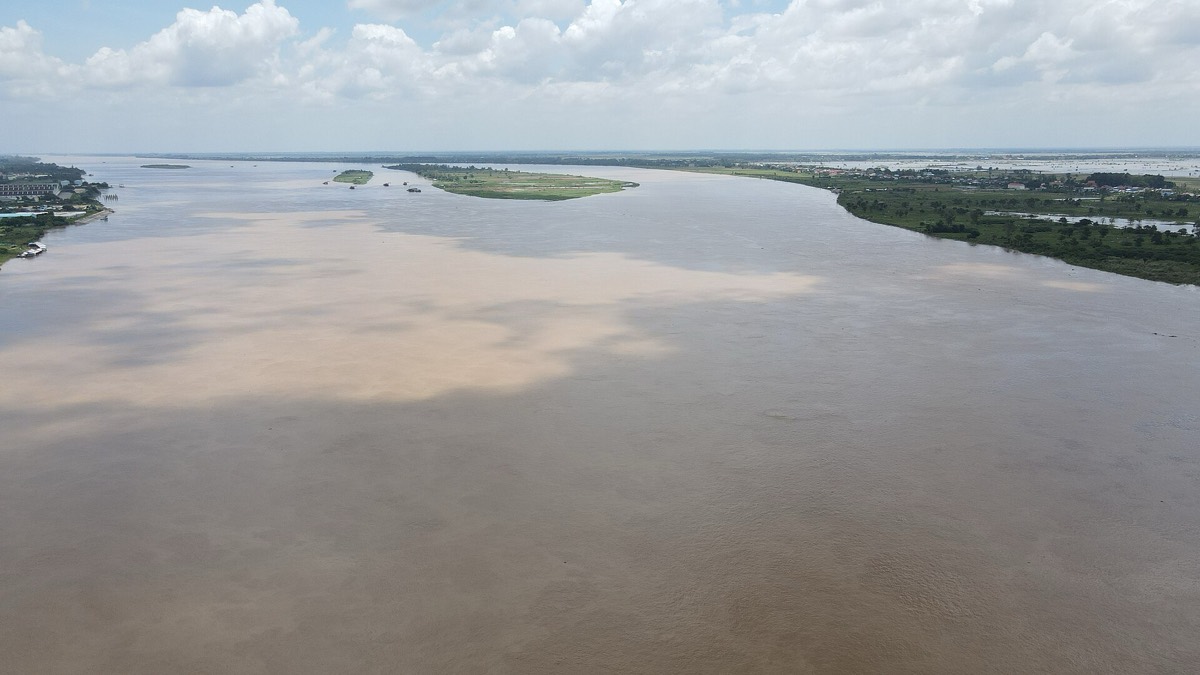

- Area
- Along the Mekong
- Start from
- Phnom Penh
- Distance
- about 15–20 km south-east
- Time needed
- half a day
- Best season
- All year; weekends are busiest and liveliest
- Difficulty
- Easy
- Transport
- Tuk-tuk or taxi along National Road 1
- Tickets & rules
- None; small fee to rent a hut
Why go
This is where Phnom Penh families go on a Sunday. Along the riverbank at Kien Svay, rows of bamboo platforms stand on stilts over the water, each with mats, a roof of palm leaves and hammocks. You rent one for the afternoon, order food from the kitchen on shore, and spend hours eating, napping and watching the river.
There is nothing to see in the usual sense, and that is the point. Children splash in the shallows, grandparents doze, groups of friends play cards and laugh. Vendors paddle past in small boats selling fruit, and the kitchen brings grilled fish, fried shrimp, sour soup and rice.
I spent one of my happiest afternoons in Cambodia here, swinging in a hammock with the river breeze, after a week of temples and markets. It is a rare glimpse of the city at rest.
The story
Picnic culture is a big part of Cambodian life. On weekends and holidays, families pack up and head to riversides, lakes and temple grounds to eat together, often for many hours. Places like Kien Svay grew up to serve this need, with families on the riverbank building huts and running kitchens.
Kien Svay sits on a branch of the Mekong system south-east of the city, along the road to the Vietnamese border. During the Khmer New Year in April and other holidays, the riverbanks can be packed.
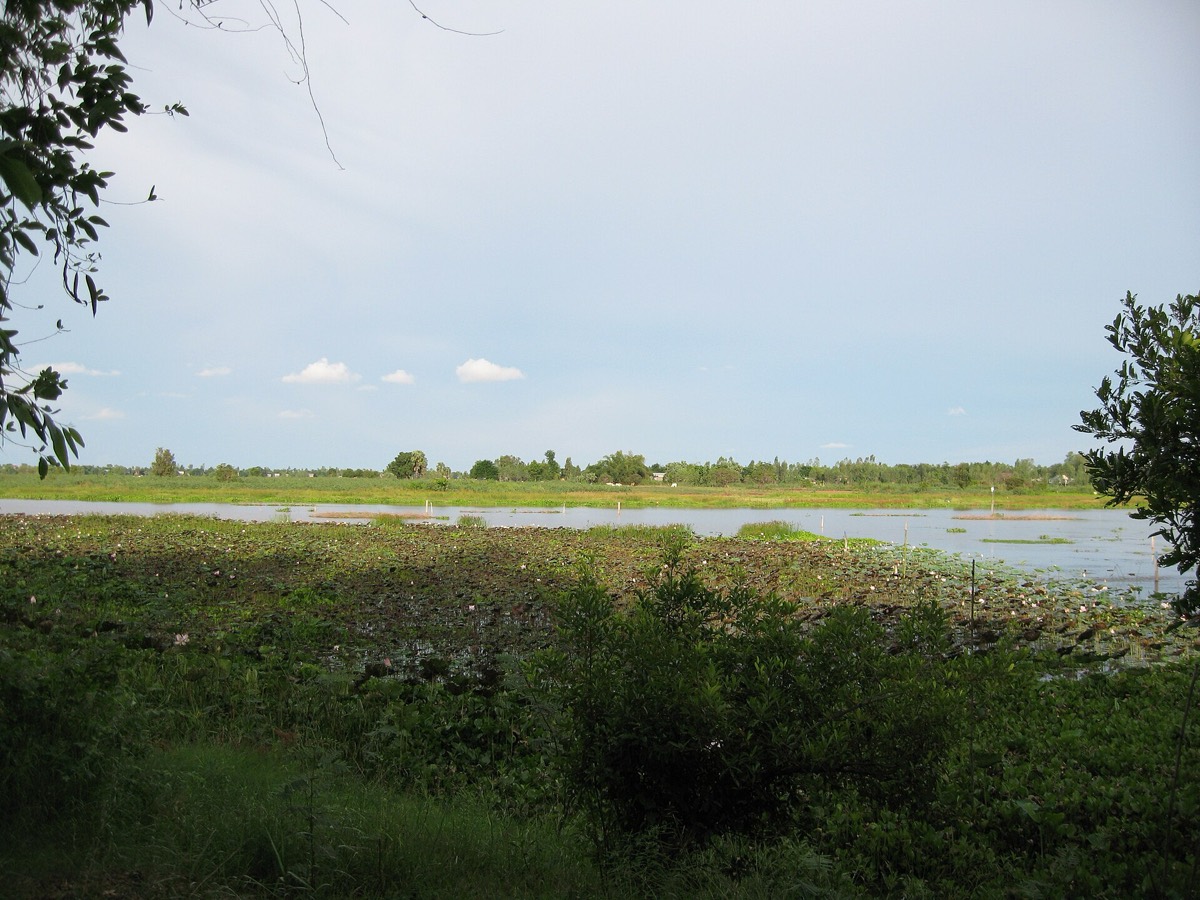
In the rainy season the water rises right up under the huts, and the place feels like floating; in the dry season the river retreats, and the huts may stand over mud and shallow water. Either way, the atmosphere is the same: unhurried, noisy, and very local.
You will see few other foreigners here, which is part of the charm. Most of the vendors and kitchens are used to Cambodian customers, and it is a good place to try ordering in a few words of Khmer.

Getting there
Take National Road 1 south-east from the city, crossing the Monivong Bridge; the huts lie on the left side of the road around fifteen to twenty kilometres out. A tuk-tuk takes around forty-five minutes; ask the driver to wait or arrange a return.
Go in the late morning or early afternoon and stay until the light softens.
A suggested plan
- Late morningLeave the city by tuk-tuk; aim to arrive before lunch.
- MiddayChoose a hut, agree the hut fee and look at the menu or the fish on display.
- AfternoonEat, nap in the hammock, swim if the locals do, and watch the river.
- Late afternoonHead back to the city before the evening traffic.
Where to stay
Visit from Phnom Penh; there is little reason to stay overnight.
Good to know
- Agree the price of the hut and of each dish before ordering; prices are usually reasonable but not always posted.
- Bring a towel, a book and sunscreen.
- Weekdays are quiet; weekends are noisy and fun.
- Coconuts and fresh fruit from passing boats are part of the experience.
- Currents can be strong; swim only where locals do and never alone.
- Food is cooked fresh but standards vary; choose busy places.
- Hold on to valuables in the hammock; it is easy to drop a phone into the water.