Sao Beach and the quiet southeast
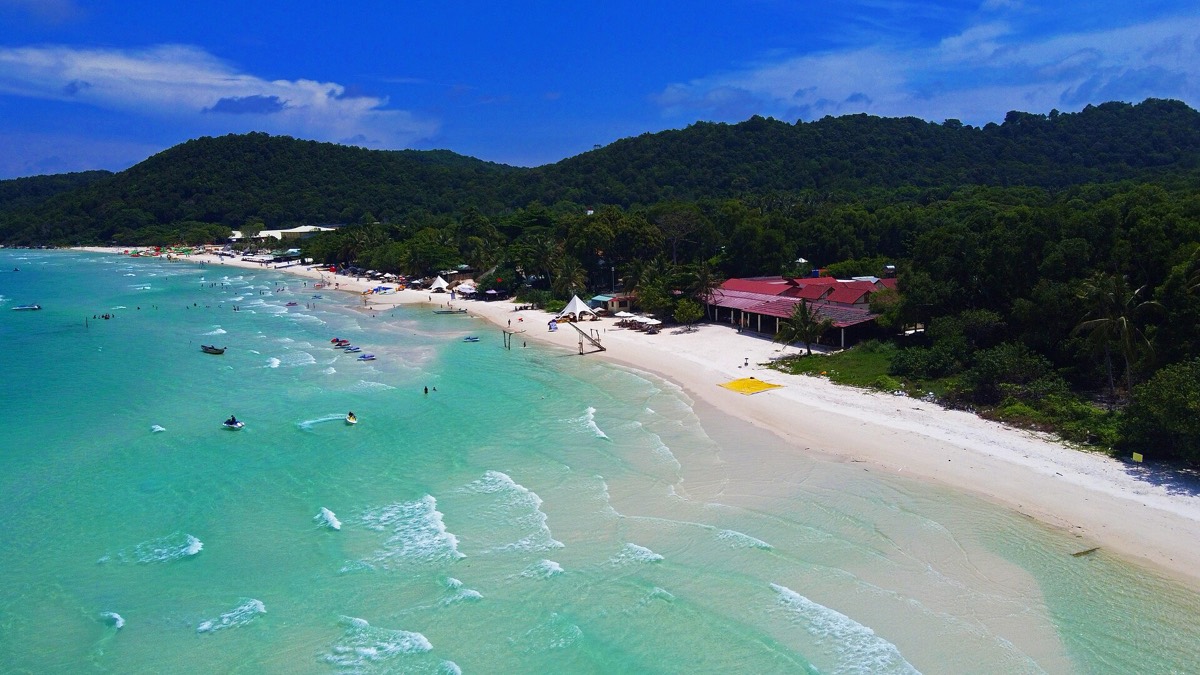
The island’s most famous stretch of white sand, best in the early morning, with clear shallow water, swaying palms and fishing villages along the way.

- Area
- South & An Thoi islands
- Start from
- Duong Dong or An Thoi
- Distance
- about 25 km from Duong Dong
- Time needed
- 1 day
- Best season
- November – April is best; calm on this side for much of the year
- Difficulty
- Easy
- Transport
- Taxi, hired car or scooter
- Tickets & rules
- None; some beach clubs charge for loungers
Why go
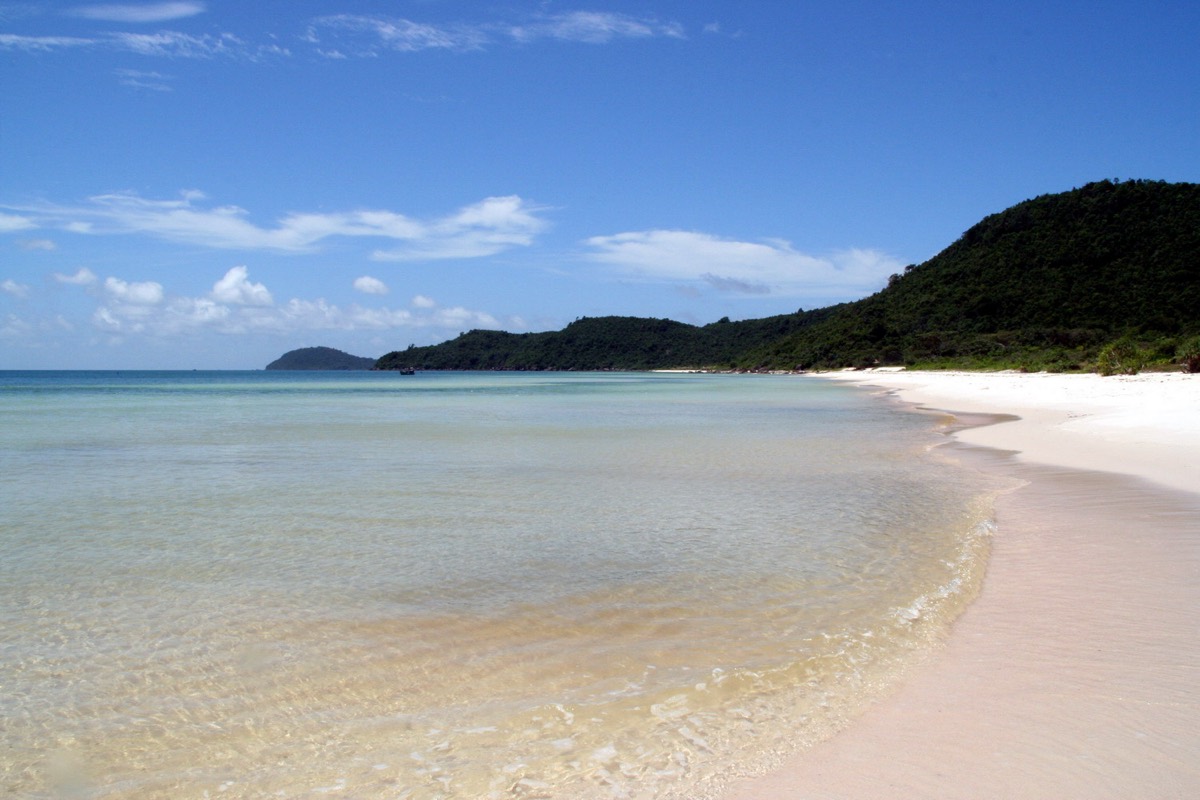
Sao Beach, Bãi Sao, sits on the southeast coast, and on a calm morning it looks exactly like the postcard: fine white sand, a long curve of palms and water so clear and shallow that you can wade out for a long way. ‘Sao’ means star, and one story says it was named after the starfish that used to be common in the shallows.
It is no longer a secret, and by midday tour groups and jet skis can arrive. But early in the day, or at the far ends of the beach, it is still lovely and quiet. I like to come for a long swim, a lazy lunch of grilled squid, and an afternoon reading under the trees.
The drive itself is part of the pleasure: past pepper gardens, small temples and the scattered houses of the southeast before the road drops down to the sea.
The story
For much of the twentieth century, the south of Phu Quoc was a military and fishing area, with little reason for outsiders to come. Sao Beach was known to islanders as a calm anchorage and a place to catch fish and gather shellfish, but it was difficult to reach by road until relatively recently.
The sand here is unusually white because it is made largely of fine quartz and broken coral rather than darker volcanic or river sediment. That, combined with sheltered water facing east, gives the beach its pale turquoise colour on sunny days.
The southeast coast is protected from the southwest monsoon, which is why it stays calm in the months when the west coast churns. Fishermen have always known this and shifted their boats from one side of the island to the other with the seasons.
Starfish are rarer now in front of the busy part of the beach, and that is one of the small lessons of tourism here: they were picked up for photos so often that many died. Further along the coast they survive, and people are slowly learning to leave them in the water.

Getting there
From Duong Dong, the drive is about 25 to 40 minutes by car down the main north–south road, turning east towards the coast. From An Thoi in the far south, it is closer, around 15 to 20 minutes.
Ride-hailing apps work, but cars can be slower to find on the way back. Agree a pick-up time with your driver or arrange a round trip.
A suggested plan
- 8:00Leave Duong Dong early, stopping at a roadside stall for bánh mì and coffee.
- 8:45Arrive at Sao while the water is glassy; walk to the less busy end of the beach.
- 9:00–12:00Swim, wade out over the sandbanks, read under the palms.
- 12:30Lunch of grilled squid or fish at one of the beachfront restaurants.
- 14:00Drive south to the An Thoi area or the Coconut Tree Prison museum on the way home.
Where to stay
There are a few small resorts near Sao and along the southeast coast, which feel peaceful once the day trippers leave. Otherwise base yourself on Long Beach or in An Thoi and visit for the day.
Good to know
- Go early on weekdays for the calmest, emptiest beach.
- Bring cash; smaller places may not take cards.
- Pair the trip with the cable car or a boat to the An Thoi islands on another day, since they’re all in the south.
- Jet skis sometimes operate close to swimmers; stay within marked areas where they exist.
- Don’t pick up starfish or shells with animals in them; it often kills them.
- Sea lice and jellyfish appear at some times of year; ask at the beach before swimming.