A boat day in the An Thoi islands
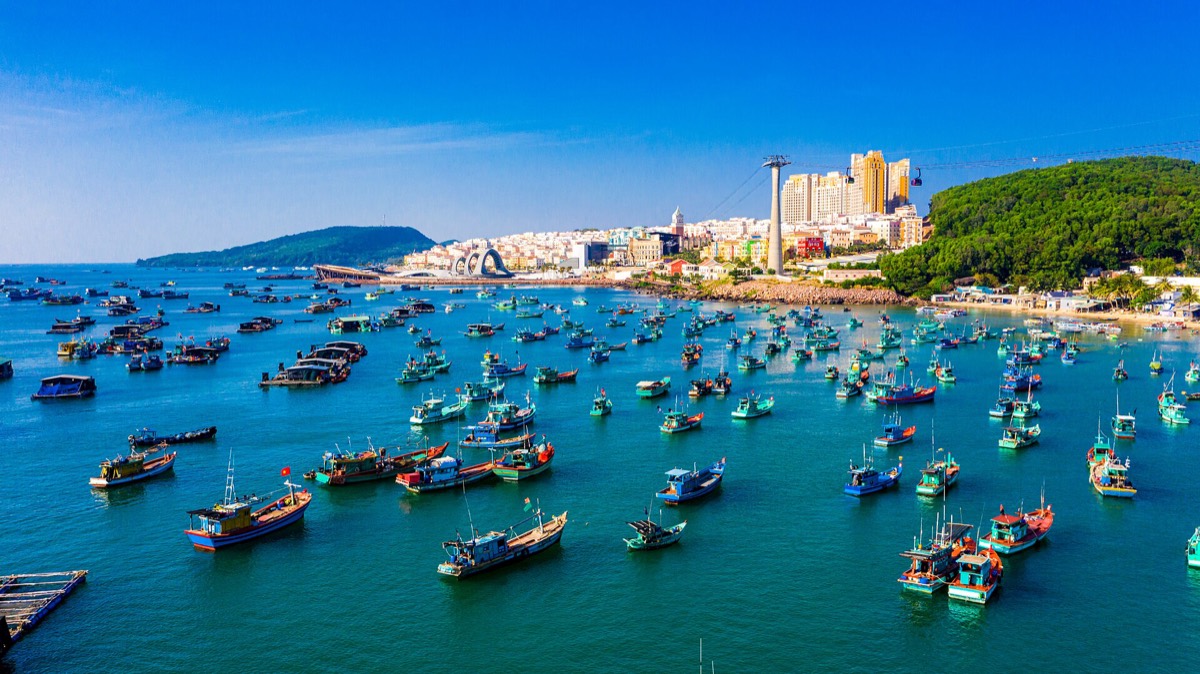
Snorkel over coral gardens, eat fish grilled on deck and land on tiny palm-fringed islands scattered off the southern tip of Phu Quoc.

- Area
- South & An Thoi islands
- Start from
- An Thoi port
- Distance
- about 20–40 km by boat
- Time needed
- 1 day
- Best season
- November – April; many trips stop or change in rough wet-season weather
- Difficulty
- Easy
- Transport
- Wooden fishing boat, tour boat or speedboat
- Tickets & rules
- Boat or tour fee; island landing fees on some islands
Why go
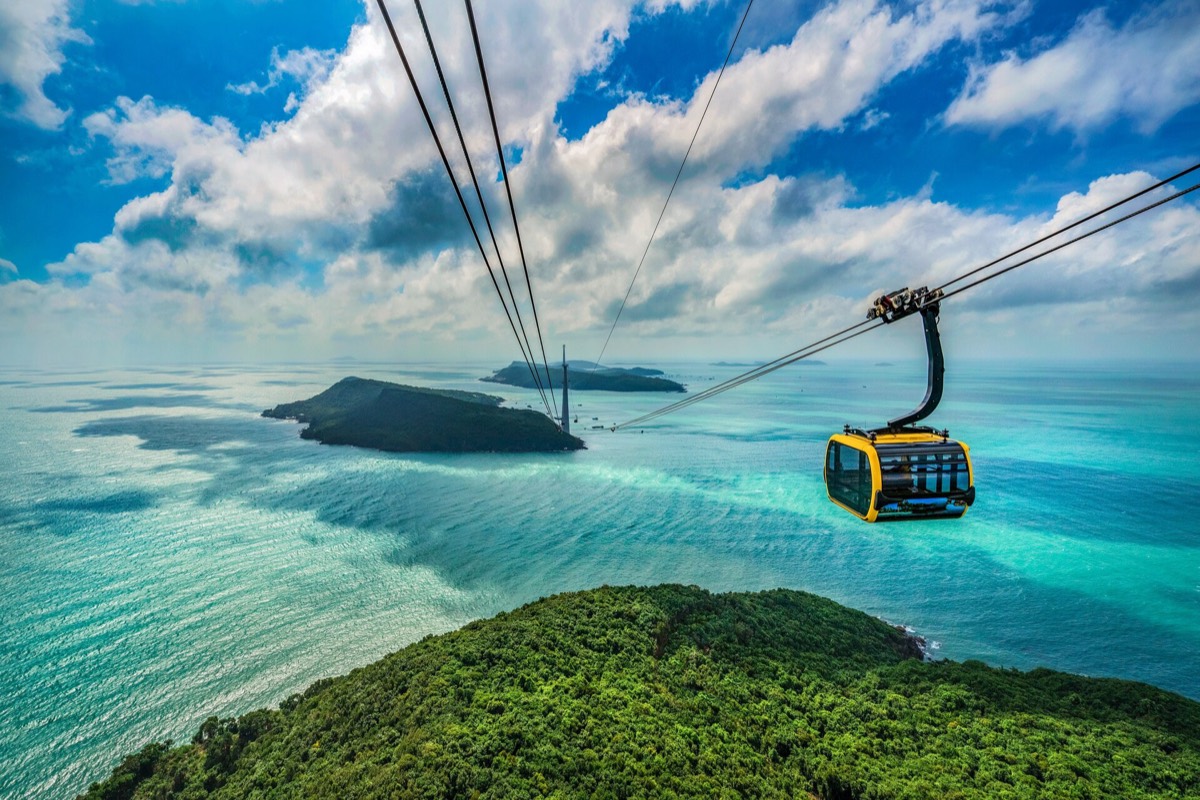
Off the southern tip of Phu Quoc lies the An Thoi archipelago, a scatter of around fifteen to twenty islands and islets, some inhabited by fishing families, some little more than a rock with a palm tree. Seen from the cable car they look like green stepping stones; from a boat at water level they become a whole day’s worth of coves, reefs and sandbars.
A typical day includes two or three snorkelling stops over coral and rock, lunch on board or on a beach, and a few hours on an island like Hòn Móng Tay, Hòn Gầm Ghì or Hòn Mây Rút, where the water is pale blue and the sand fine and bright. With a smaller boat you can also ask to visit a fishing hamlet or a floating fish farm.
It is the best way to see how much of Phu Quoc’s life is really on the water.
The story
An Thoi has been a fishing harbour for generations, and the islands were traditionally used as shelters, drying grounds and anchorages. Families from the mainland settled on the larger ones, building houses on stilts and catching squid, fish and sea cucumbers. Some of them still live there, along with soldiers and border guards on the more strategic islands.
The surrounding waters lie on a shallow shelf of the Gulf of Thailand, where coral grows on rock and sand slopes rather than steep walls. Visibility is very variable: on a clear day after calm weather you can see parrotfish, damselfish, giant clams and occasionally a small reef shark; after storms the water can be murky for days.
Since the late 2000s the area has been part of a marine protected zone, linked to the wider Kien Giang biosphere reserve recognised by UNESCO in 2006. Enforcement has been mixed, and some reefs suffered from bleaching, anchoring and fishing, but there are encouraging signs of recovery where boats use mooring buoys and visitors avoid standing on coral.
Hòn Thơm, the largest island in the group, has been turned into a resort and water park reached by cable car, while others remain almost untouched. The contrast between them is a good way to see the choices the island is making about its future.

Getting there
Most boat trips start from An Thoi port or from small piers nearby, about 30 to 40 minutes by car from Duong Dong. Many tour operators include hotel pick-up.
For a quieter day, ask your guesthouse about a private wooden boat with a local crew. It costs more than a group tour but allows you to choose islands, stay longer and skip the crowded spots. Always check the weather forecast and the safety equipment before boarding.
A suggested plan
- 8:00Pick-up from your hotel or meet at An Thoi port; check for life jackets and snorkels.
- 9:00First snorkelling stop on a reef sheltered from the wind.
- 10:30Second stop, or a fishing session from the boat with handlines.
- 12:00Lunch of grilled fish, squid and rice, on deck or on an island beach.
- 13:00–15:30Swim and relax on a white-sand island such as Hòn Mây Rút or Hòn Móng Tay.
- 16:30Return to An Thoi with the light turning gold over the islands.
Where to stay
Long Beach and Duong Dong work fine as bases with an early start. If you want to explore the south over several days, stay in or near An Thoi or Sao Beach to cut down travel time.
Good to know
- Bring reef-safe sunscreen and a long-sleeved rash guard; reflection off the water burns quickly.
- If you get seasick, take medication before boarding and sit near the middle of the boat.
- Ask whether your boat uses mooring buoys rather than dropping anchor on coral.
- Sea conditions can change quickly; if the crew decides to cancel or turn back, it’s for good reason.
- Some cheap tours squeeze in too many people with limited safety gear; check before paying.
- Don’t stand on coral or touch marine animals, including sea urchins; cuts get infected easily in warm water.