The Coconut Tree Prison museum
A sober, quiet museum on the site of a former wartime prison camp, where the island’s twentieth-century history is told through barracks, wire and simple displays.

- Area
- South & An Thoi islands
- Start from
- An Thoi
- Distance
- about 30 km from Duong Dong
- Time needed
- 1–2 hours
- Best season
- All year; a good rainy-day option
- Difficulty
- Easy
- Transport
- Taxi, hired car or scooter
- Tickets & rules
- Free entry at the time of writing; modest dress
Why go
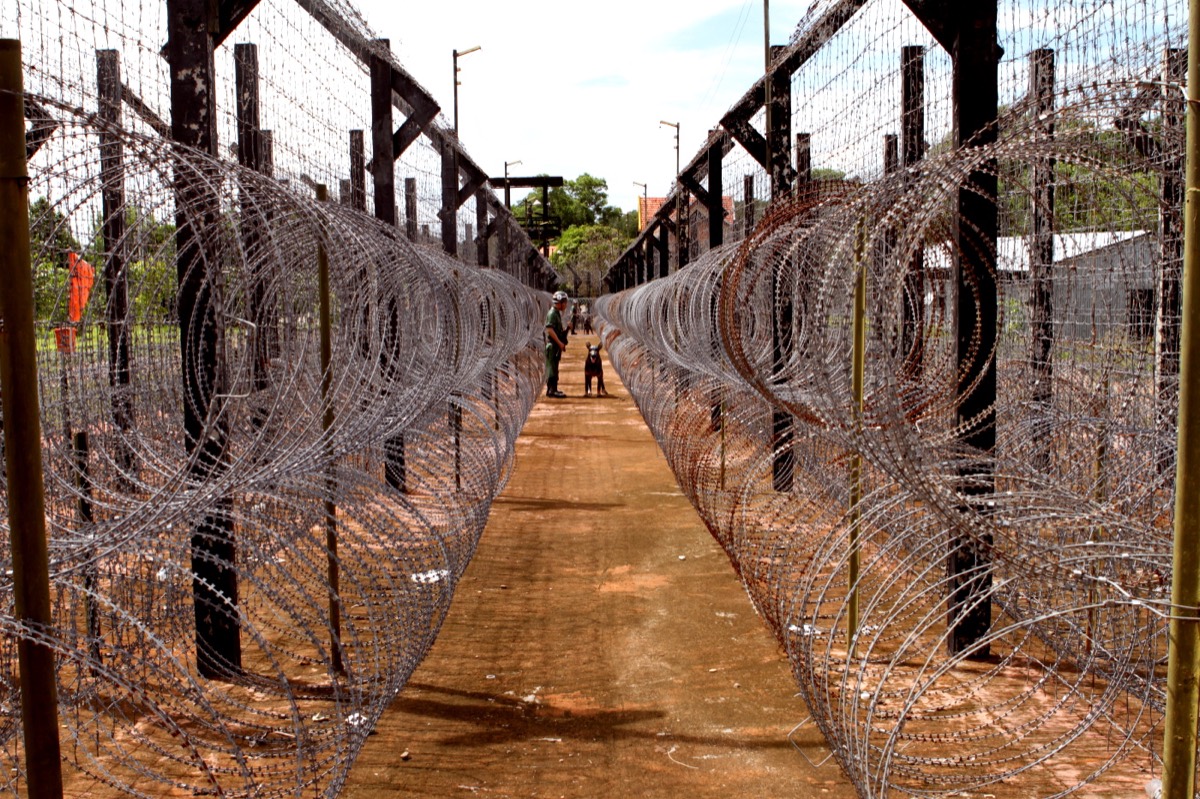
Not far from An Thoi, behind a long fence and a row of coconut palms, lies the Phu Quoc Prison, often called the Coconut Tree Prison. It is a museum now, with reconstructed barracks, watchtowers and barbed-wire enclosures, and a small exhibition building with photographs and documents.
It is not an easy visit. Some of the displays use life-size figures to show conditions and punishment, and many visitors, Vietnamese and foreign, walk around in silence. But it adds an essential layer to the island, which can otherwise seem to exist only for beaches and sunsets.
I came on a rainy afternoon and stayed longer than I expected, reading the captions and watching older Vietnamese visitors standing for a long time in front of certain photographs.
The story
The prison was first set up by the French colonial authorities in the early 1950s and later expanded by the government of the Republic of Vietnam during the war of the 1960s and 1970s. At its height it held tens of thousands of prisoners, many of them captured fighters and suspected sympathisers from the North and the National Liberation Front.
Conditions were harsh, with overcrowding, poor food and limited shelter from heat and rain. Former prisoners have described hard labour, illness and punishment, and many did not survive. The museum presents this from the perspective of Vietnam today, honouring those who died and survived there.
The name ‘Coconut Tree Prison’ comes from the coconut palms that grew around the original site. In the years after the war, the area was gradually turned into a memorial and museum, with some structures reconstructed using old photographs and testimony.
For visitors, it is a place to slow down and listen, rather than debate. Whatever your own views, it is hard not to be moved by the scale of loss and the fact that so many families on the mainland have a relative who passed through this island in wartime.

Getting there
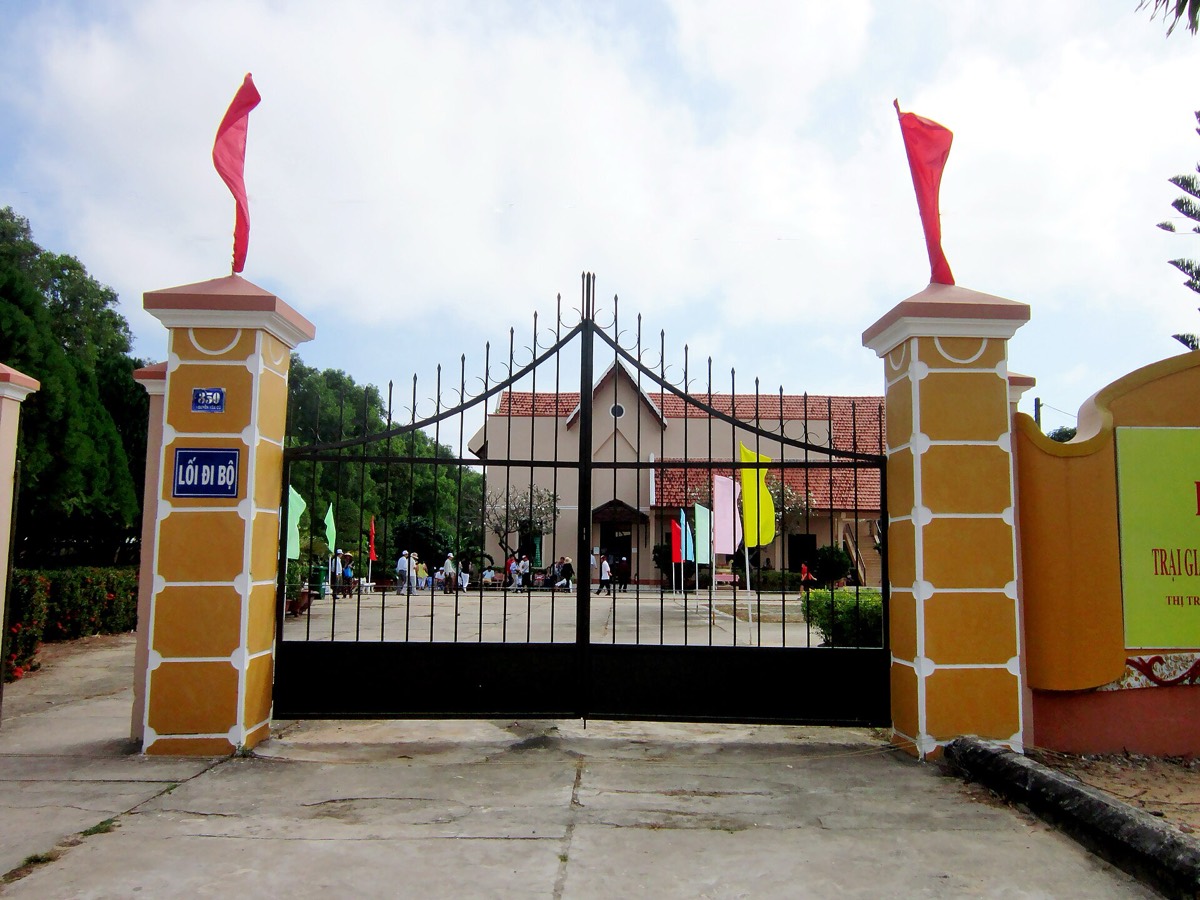
The museum is on the main road between Duong Dong and An Thoi, a few kilometres north of An Thoi town. From Duong Dong or Long Beach it takes about 30 to 40 minutes by car.
Many people combine it with a trip to Sao Beach or the Hon Thom cable car, since they are all in the south of the island.
A suggested plan
- 10:00Arrive while it’s still relatively cool; start with the main exhibition hall.
- 10:30Walk through the reconstructed barracks and enclosures, reading the signs slowly.
- 11:15Sit for a while in the shade, or visit the nearby memorial area if open.
- 12:00Continue to Sao Beach for lunch and a swim, or to An Thoi for the cable car.
Where to stay
Most visitors come from Long Beach or Duong Dong. If you’re staying in An Thoi or on the southeast coast, it is a short drive.
Good to know
- Dress respectfully: shoulders and knees covered is appreciated.
- Some displays may be upsetting for children; preview them if you’re visiting as a family.
- Bring water and a hat; much of the site is outdoors with limited shade.
- Photography is generally allowed, but be sensitive around other visitors, especially older people who may have personal connections.
- Signs are not always fully translated; a translation app helps.