Cao lau, white roses and banh mi: a Hoi An food walk
A slow day of eating through the dishes that exist only in Hoi An, from chewy cao lau noodles to rice-paper dumplings shaped like roses.
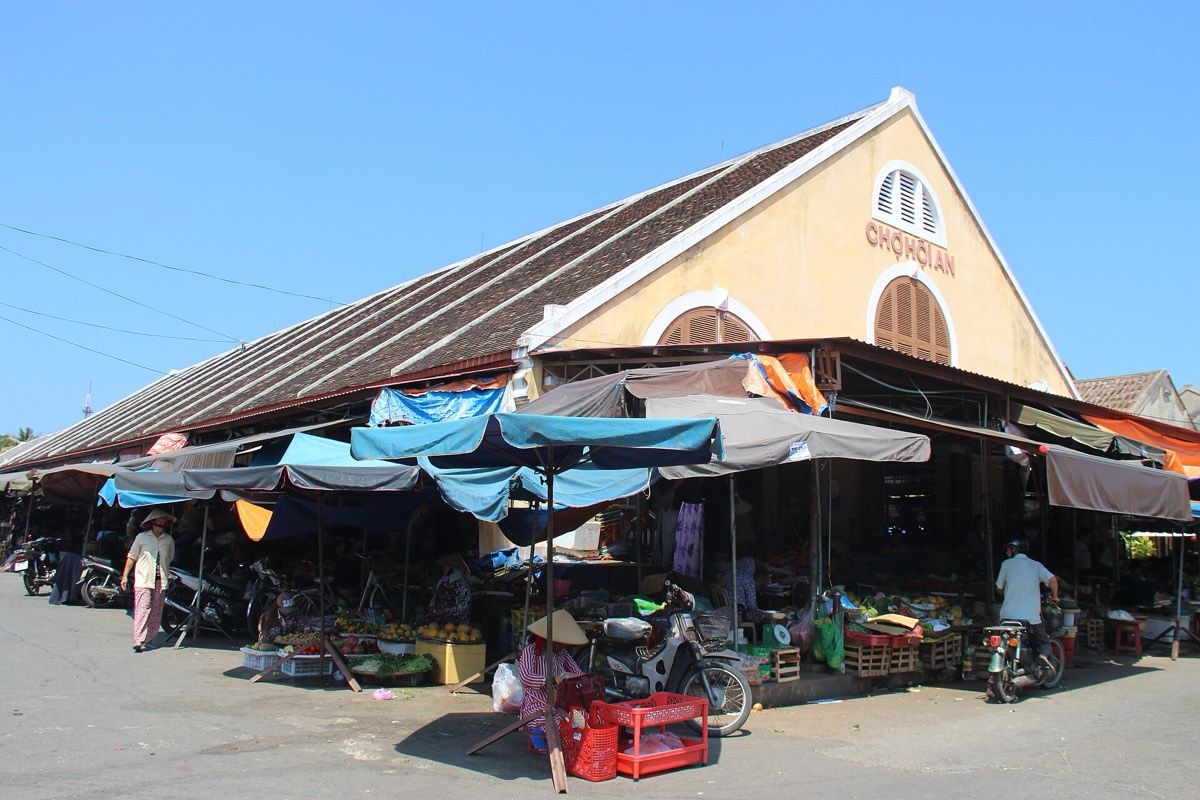

- Area
- Hoi An old town
- Start from
- Hoi An
- Distance
- about 4 km on foot
- Time needed
- half a day, spread over a day
- Best season
- All year
- Difficulty
- Easy
- Transport
- On foot or by bicycle
- Tickets & rules
- None
Why go
Central Vietnam eats differently from Hanoi or Saigon. The food is spicier, saltier and full of herbs, and Hoi An has a handful of dishes you will not find made the same way anywhere else. A food walk here is less about famous restaurants than about following the rhythm of the town: noodles for breakfast, a market snack mid-morning, chicken rice for lunch and sweet soup at dusk.
The central market on the river front is the anchor. Its food hall has rows of stalls run by women who have cooked the same one or two dishes for decades, and you sit on low stools elbow to elbow with locals. Prices are written up, though not always; asking first is normal and expected.
What I love most is how small it all is. A banh mi stall, a cart selling sweet bean soup, a grandmother frying wonton crisps in a doorway: none of them needs a sign. You find them by watching where people stop on their motorbikes in the morning, and by following your nose.
The story
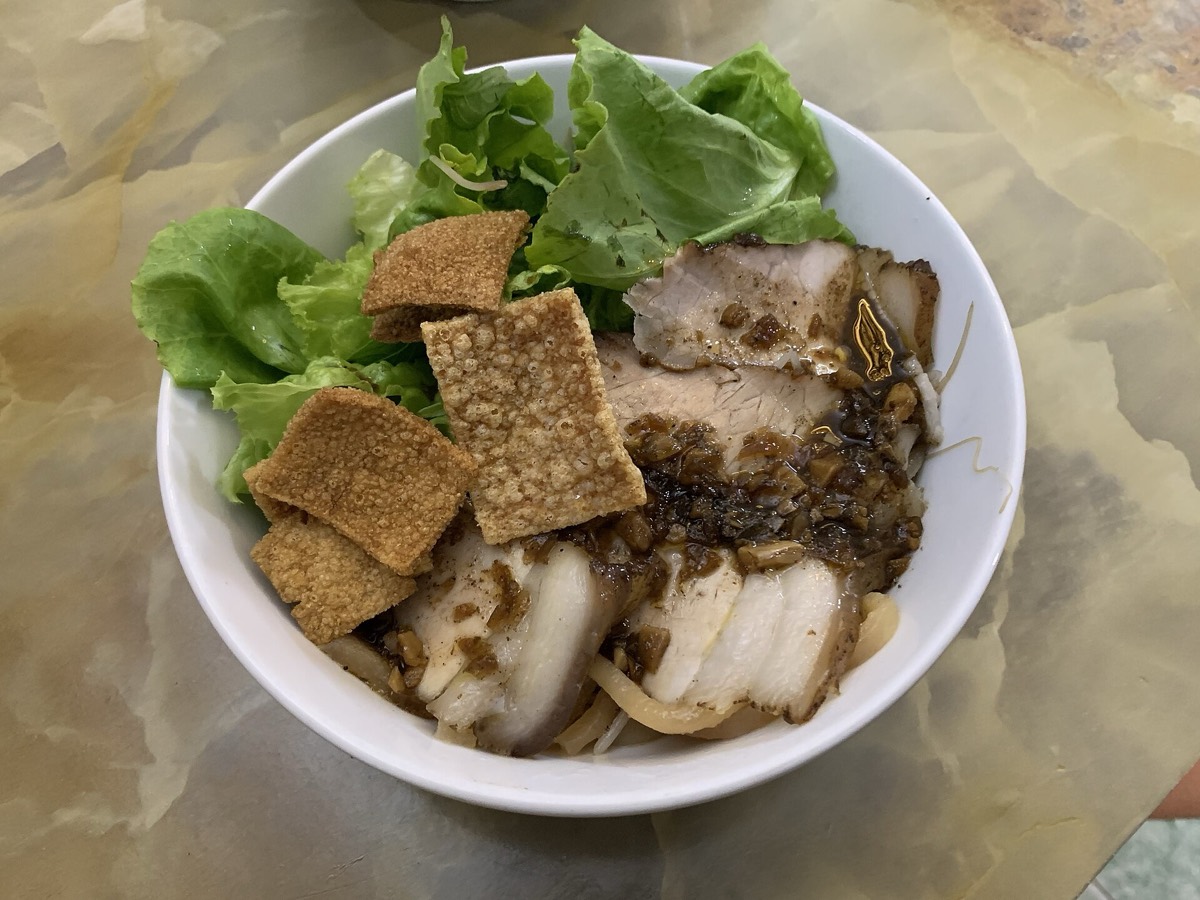
Cao lau is the dish everyone asks about. Thick, chewy, yellowish noodles come with slices of pork, crisp croutons of fried dough, bean sprouts and a heap of herbs, with just a little rich broth at the bottom of the bowl. Local tradition says the noodles must be made with water from the old Ba Le well and soaked in lye made from ash, which is why true cao lau is hard to find outside town. Some say the texture shows Japanese influence, others say Chinese; nobody agrees, which is part of the fun.
White rose dumplings, banh bao banh vac, are made by one family business that has supplied most of the town’s restaurants for decades. The translucent rice-paper wrappers are pinched into petal shapes around shrimp paste and topped with fried shallots. They look delicate and taste better than they look.
Banh mi became a Hoi An legend partly because the late chef Anthony Bourdain called one local version the best he had eaten. The secret, locals say, is the bread itself: light, crackly and baked several times a day, then filled with pâté, pork, herbs, pickles and chilli sauce. Queues outside the famous stalls are long, but nearly every neighbourhood cart is good.
Com ga, Hoi An chicken rice, is rice cooked in chicken broth with turmeric, topped with shredded chicken, onion, laksa leaf and papaya. Mi Quang, the region’s signature noodle, comes with turmeric-yellow noodles, a small amount of broth, peanuts and a sesame rice cracker to crumble on top.

Getting there
Everything on this route is in or right next to the old town. Walking is easiest; if you cycle, lock your bike outside the market and continue on foot.
Most stalls do not take cards. Carry small notes in dong.
A suggested plan
- 7:00Mi Quang or a bowl of cao lau at a breakfast stall near the market.
- 9:00Central market food hall: fresh spring rolls, banh xeo pancakes and a glass of sugarcane juice.
- 11:30Com ga for lunch, then a long rest in the shade.
- 15:00Banh mi as an afternoon snack and a cup of strong iced coffee.
- 17:30White rose dumplings and fried wontons by the river.
- 19:30Che, sweet soup with beans, jelly and coconut milk, from a street cart.
Where to stay
Base yourself near the old town or the central market. Cam Pho and Minh An wards put you within a few minutes of most of the food stalls.
Good to know
- Look for local customers on plastic stools: it is the most reliable review.
- Ask for less sugar in coffee and juices (it ít đường) if you prefer.
- Fresh herbs are part of the dish: tear them in, don’t leave them on the side.
- Try the local chilli jam, ot tuong, sparingly at first.
- Ice in established places is usually made from filtered water, but if your stomach is sensitive, go slowly.
- Some stalls quote higher prices to visitors; asking the price before eating avoids surprises.
- Rush-hour traffic outside the old town is heavy; cross slowly and predictably.