Da Nang on a rainy day: Cham sculpture and the Han market
The world’s finest collection of Cham sculpture, a pink cathedral and a chaotic covered market, all within a short walk along the Han River.

- Area
- Da Nang
- Start from
- Da Nang
- Distance
- walking distance along the Han River
- Time needed
- 1 day
- Best season
- All year; ideal on wet days
- Difficulty
- Easy
- Transport
- On foot or by ride-hailing car
- Tickets & rules
- Museum ticket (modest price)
Why go
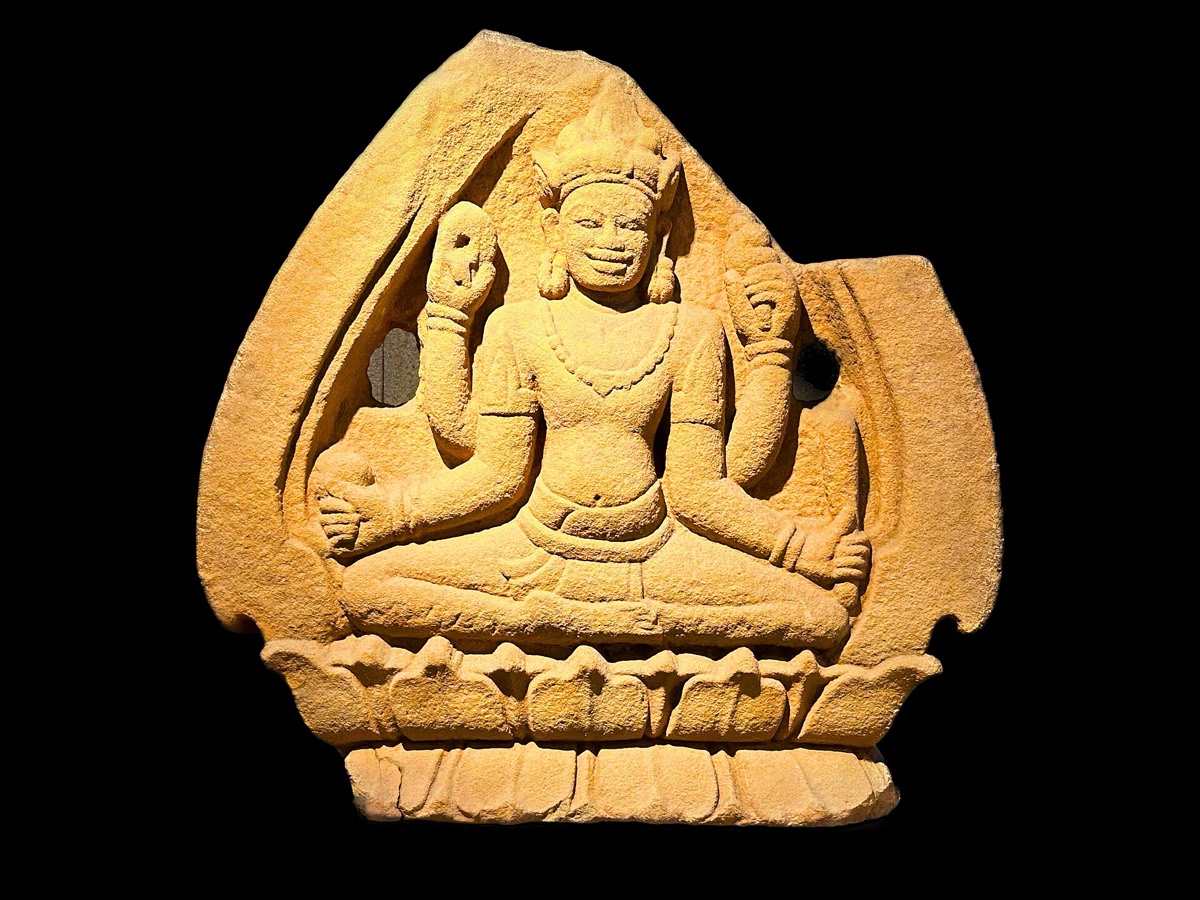
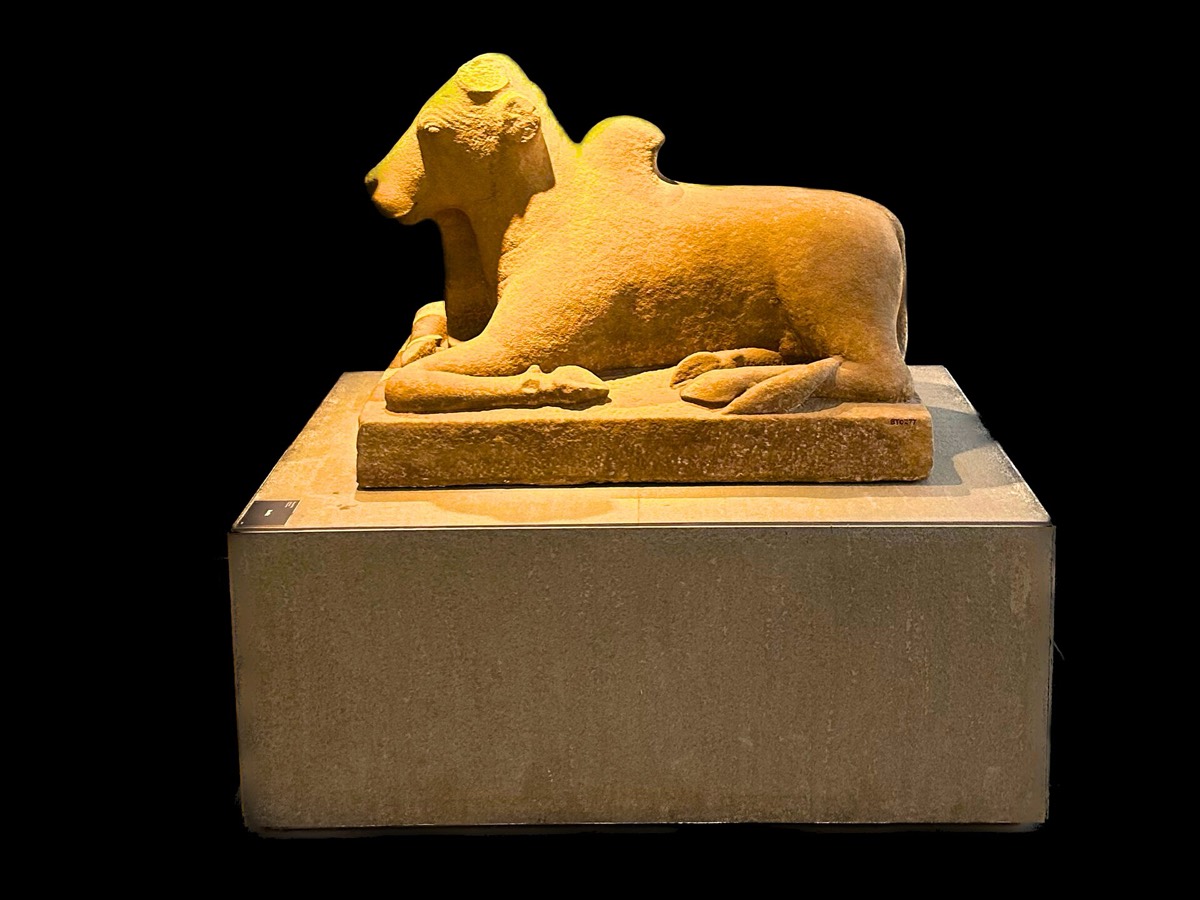
Before you go to My Son, come here. The Museum of Cham Sculpture holds the world’s largest collection of art from the Cham kingdoms, which ruled central Vietnam for over a thousand years. Its galleries are cool, calm and full of dancing goddesses, lions, elephants and gods carved in sandstone.
Nearby, the Han market is the opposite: crowded, loud and full of colour. Downstairs you find dried squid, fish sauce, coffee, fruit and fabric; upstairs, rows of tailors and clothes stalls. It’s a good place to buy coffee to take home and to eat a cheap lunch at the food stalls.
Between them stands the Da Nang Cathedral, painted pink, with a rooster on its steeple. It is a lovely, unexpected building in the middle of a modern city, and a calm place to sit on a hot or wet day.
The story
The Cham museum was founded in 1915 by French scholars of the École française d’Extrême-Orient, who collected sculpture from ruined temples across central Vietnam. The building mixes French colonial style with Cham details. New galleries were added later, but the core collection remains the same.
The Cham were a seafaring, Hindu-Buddhist people whose kingdoms, known collectively as Champa, controlled the coast from about the 2nd century to the 15th century and beyond. Their art shows strong Indian influence: Shiva, Vishnu, Ganesh, apsara dancers and garudas. Look for the Tra Kieu altar, with its frieze of dancing women, often considered a masterpiece.
Da Nang Cathedral was built in 1923 for the French community. Locals call it the rooster church because of the weathervane on its spire. It is still in use, and Mass is held on weekends.
The Han market dates from the French period as well, though the current building is more recent. It used to be the main market of the city; today it serves locals and tourists alike, and many of the stalls are run by the same families for decades.

Getting there
All three sights are on or near Bach Dang street along the Han River in central Da Nang. Walk between them or take a short ride-hailing car.
From Hoi An, a taxi or ride-hailing car takes about 45 minutes; a local bus is cheaper but slower.
A suggested plan
- 8:00Coffee and banh mi near the river.
- 8:30The Museum of Cham Sculpture; allow at least an hour and a half.
- 10:30Walk to Da Nang Cathedral.
- 11:00The Han market: browse, shop and eat lunch at the food stalls.
- 14:00A walk along the riverside or a rest in a café as the rain passes.
Where to stay
In Da Nang, the riverside area near the Han market is central and walkable; My Khe beach is a short ride away if you prefer the sea.
Good to know
- An audio guide or a guidebook helps a lot in the Cham museum.
- Bargain gently at the Han market.
- Buy Vietnamese coffee beans at the market stalls rather than at the airport.
- The cathedral is best seen from the street side; inside visits depend on Mass times.
- Pickpockets operate in the crowded parts of the market.
- Some vendors at the market quote high initial prices.
- Traffic along the river roads is heavy; use crossings.