Cu Lao Cham: snorkelling the Cham Islands
A cluster of green islands off Hoi An, with clear water, coral gardens, a fishing village and a protected marine park where plastic bags are banned.

- Area
- Islands
- Start from
- Cua Dai port, Hoi An
- Distance
- about 18 km offshore
- Time needed
- 1 day or an overnight
- Best season
- March – September; boats stop in rough weather
- Difficulty
- Easy
- Transport
- Speedboat or slower wooden boat
- Tickets & rules
- Marine park fee (small); boats may be suspended in storms
Why go
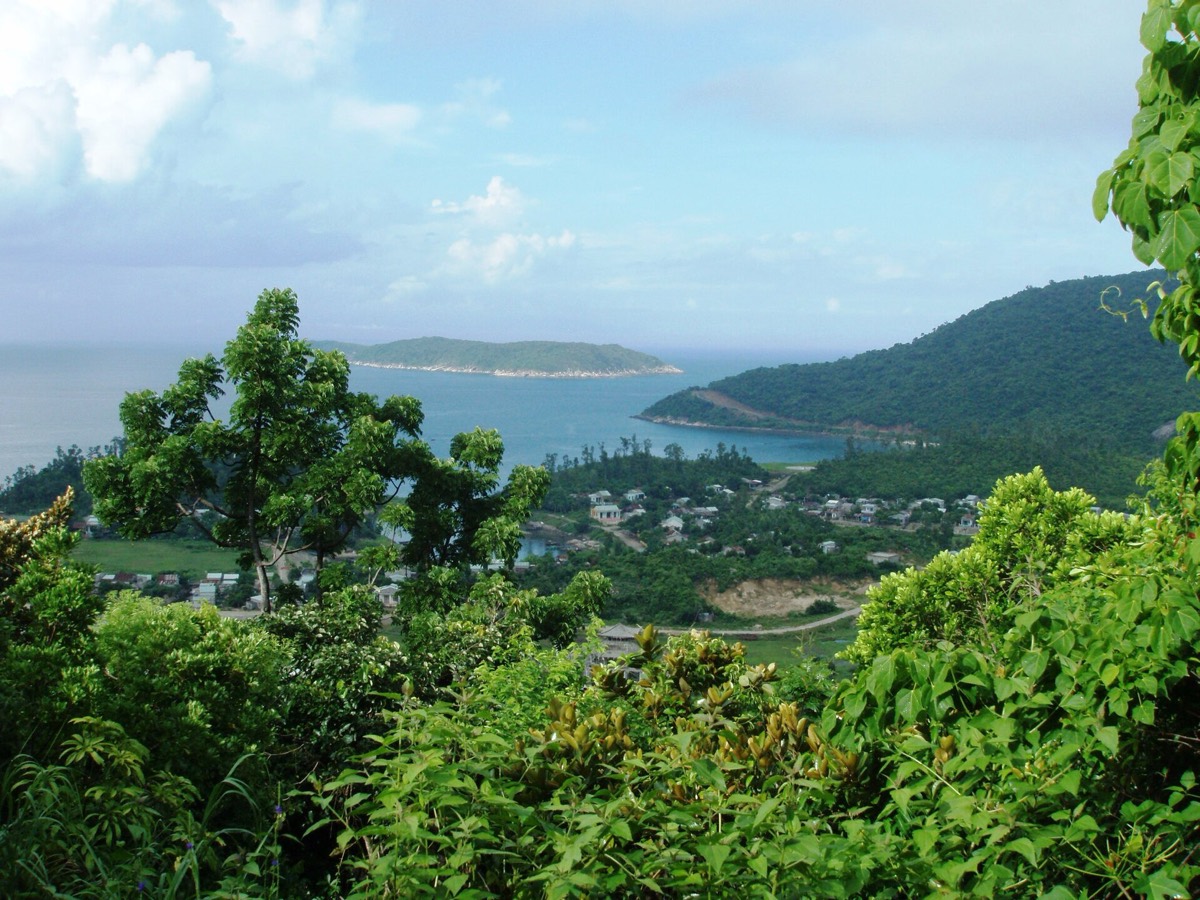
On a clear day you can see the Cham Islands from An Bang beach, a low line of hills on the horizon. Up close, Cu Lao Cham is a group of eight small islands covered in forest, with sandy coves, rocky headlands and water so clear you can see the bottom from the boat. Only the biggest island, Hon Lao, has villages.
Most visitors come on day tours that include snorkelling and lunch, and they’re fun, if a bit hurried. If you can, stay overnight in a village homestay. Once the day boats leave in the afternoon, the island becomes very quiet: fishermen mend nets, children play football on the sand, and the stars come out over the sea.
Under the water the reefs are modest compared with the best in Southeast Asia, but they are recovering well under protection. Expect corals, parrotfish, clownfish and the occasional cuttlefish. The marine park has been one of Vietnam’s success stories in conservation.
The story
The islands have been inhabited for at least 3,000 years. Archaeologists have found traces of the Sa Huynh culture, and later the Cham people, whose kingdoms ruled this coast, used the islands as a stopover for ships. Sailors took on fresh water here before heading to Hoi An, and old wells are still in use.
The islands were also famous for swiftlet nests, harvested from sea caves on the cliffs and sold at high prices for bird’s nest soup. The harvesting was dangerous and long controlled by the state. A small temple on Hon Lao is dedicated to the patron of the nest collectors.
In 2009 UNESCO recognised Cu Lao Cham–Hoi An as a biosphere reserve. The island community made a bold choice: they banned plastic bags, limited fishing zones and involved fishermen in reef patrols. Visitors are asked not to bring plastic bags, and shops use paper or leaves.
Bai Huong, a small fishing village on the south side, runs a community homestay programme. Families host visitors, cook fresh fish and show how they catch squid at night with bright lamps. It is one of the best ways to see island life rather than just its beaches.

Getting there
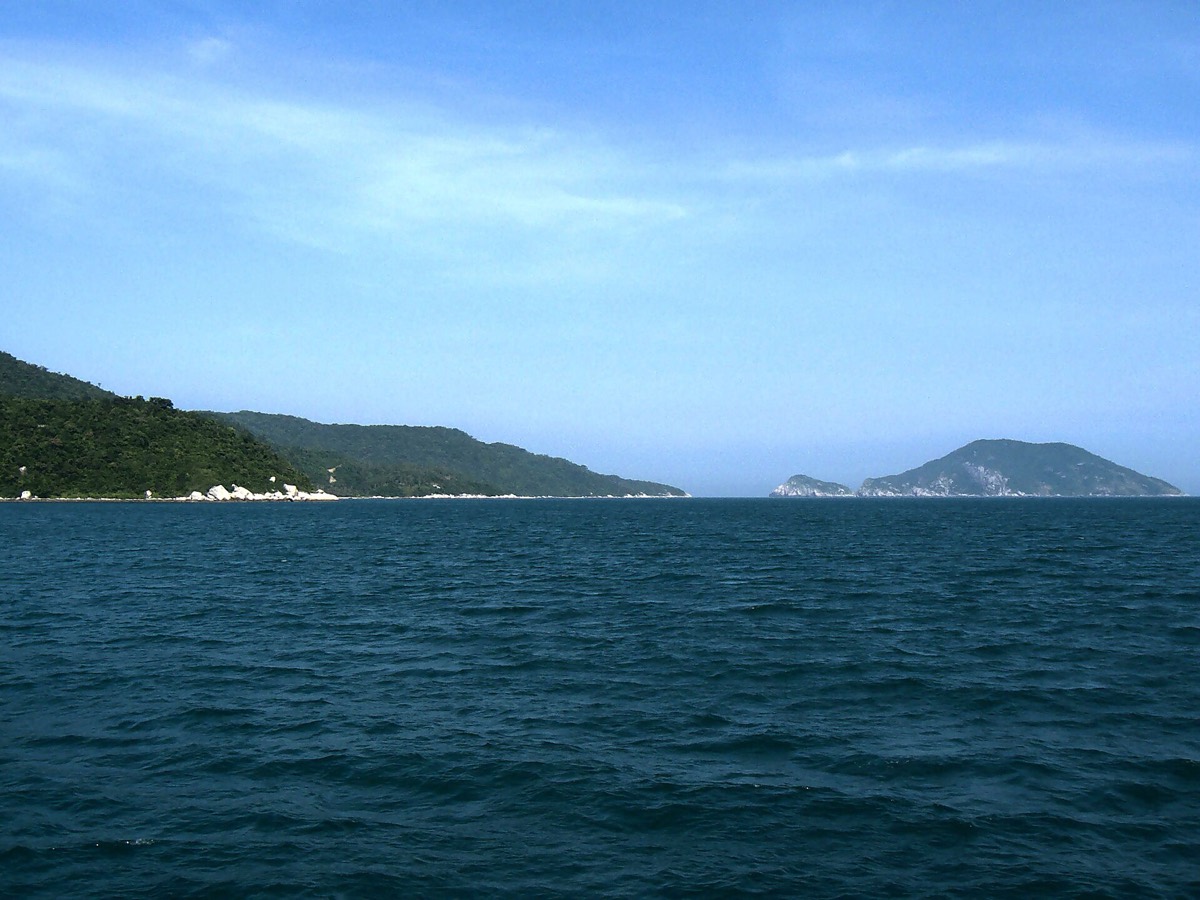
Boats leave from Cua Dai port, about 5 km east of the old town. Speedboats take around 20–30 minutes; slower wooden boats around an hour or more. Tours usually include hotel pickup.
Weather decides everything. From October to February the sea is often rough and boats may be cancelled for days. Even in summer, check the forecast the night before.
A suggested plan
- 7:30Pickup and speedboat from Cua Dai.
- 8:30Visit the Hai Tang pagoda and the old well on Hon Lao.
- 10:00Snorkelling at one or two reef sites.
- 12:00Seafood lunch on a beach such as Bai Chong or Bai Ong.
- 14:00Return to the mainland, or stay overnight in Bai Huong village.
Where to stay
A homestay in Bai Huong or the main village of Bai Lang is the best way to experience the islands; facilities are simple, with basic rooms and fans. Otherwise stay in Hoi An and go as a day trip.
Good to know
- Bring a reusable bag and bottle: plastic bags are banned.
- Reef-safe sunscreen helps the coral.
- Seasickness tablets help on the speedboat if the sea is choppy.
- Bring cash; there are few or no card payments on the island.
- Do not stand on or touch the coral.
- Speedboats can be crowded and bumpy; sit near the back if you get seasick.
- Boats are cancelled in bad weather, so leave a buffer day if you have a flight to catch.