Vung Tau: lighthouse, Christ statue and seafood by the sea
Saigon’s seaside escape: climb hundreds of steps to a giant Christ statue, walk out to an island temple at low tide and feast on seafood as the sun sets.

- Area
- Coast & islands
- Start from
- District 1
- Distance
- about 100 km south-east
- Time needed
- 1–2 days
- Best season
- November to April is driest and calmest
- Difficulty
- Easy to Moderate
- Transport
- High-speed boat from Saigon or bus/car via the expressway
- Tickets & rules
- Small fees for the lighthouse and some temples
Why go
Vung Tau is where Saigon goes to the sea. On weekends, families pour out of the city to its beaches, seafood restaurants and hilltop sights, and its relaxed, slightly faded atmosphere is a nice contrast to the big city.
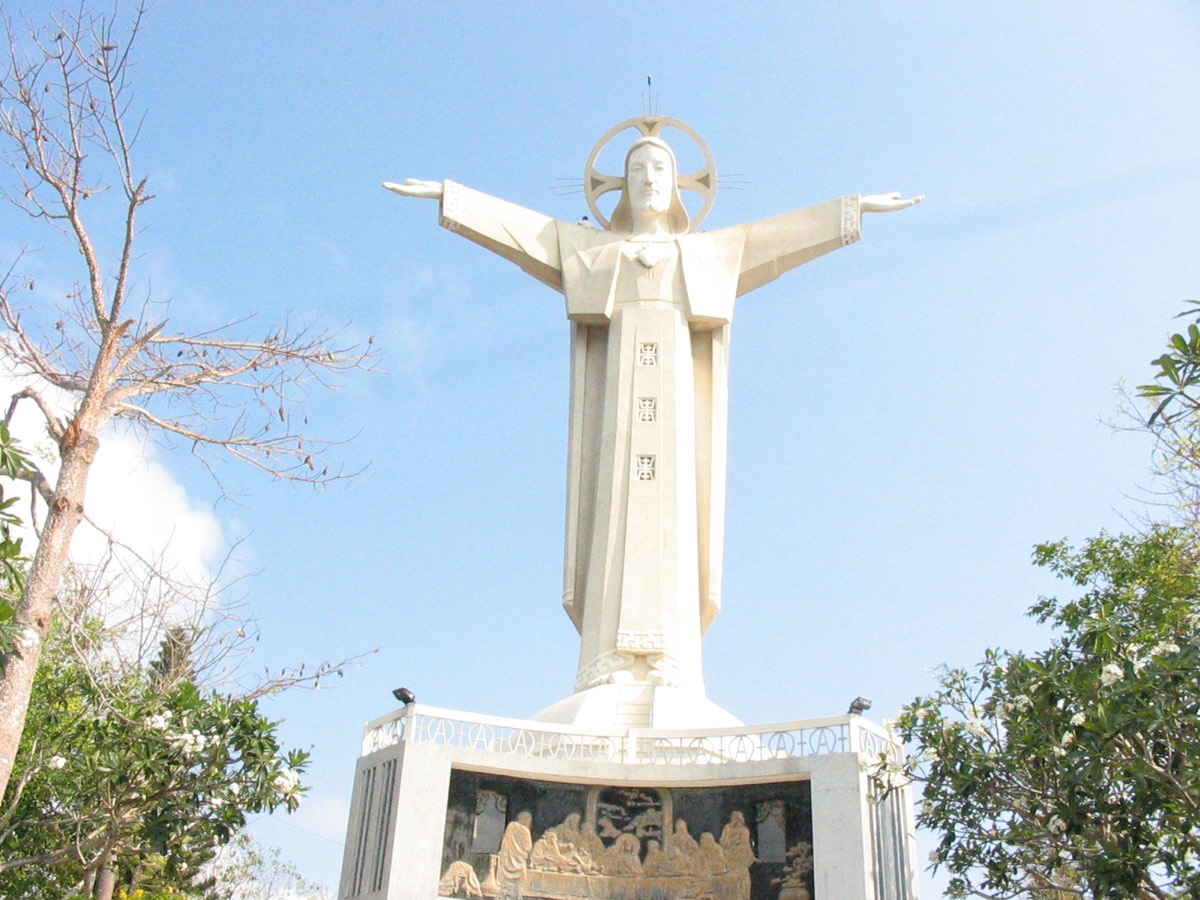
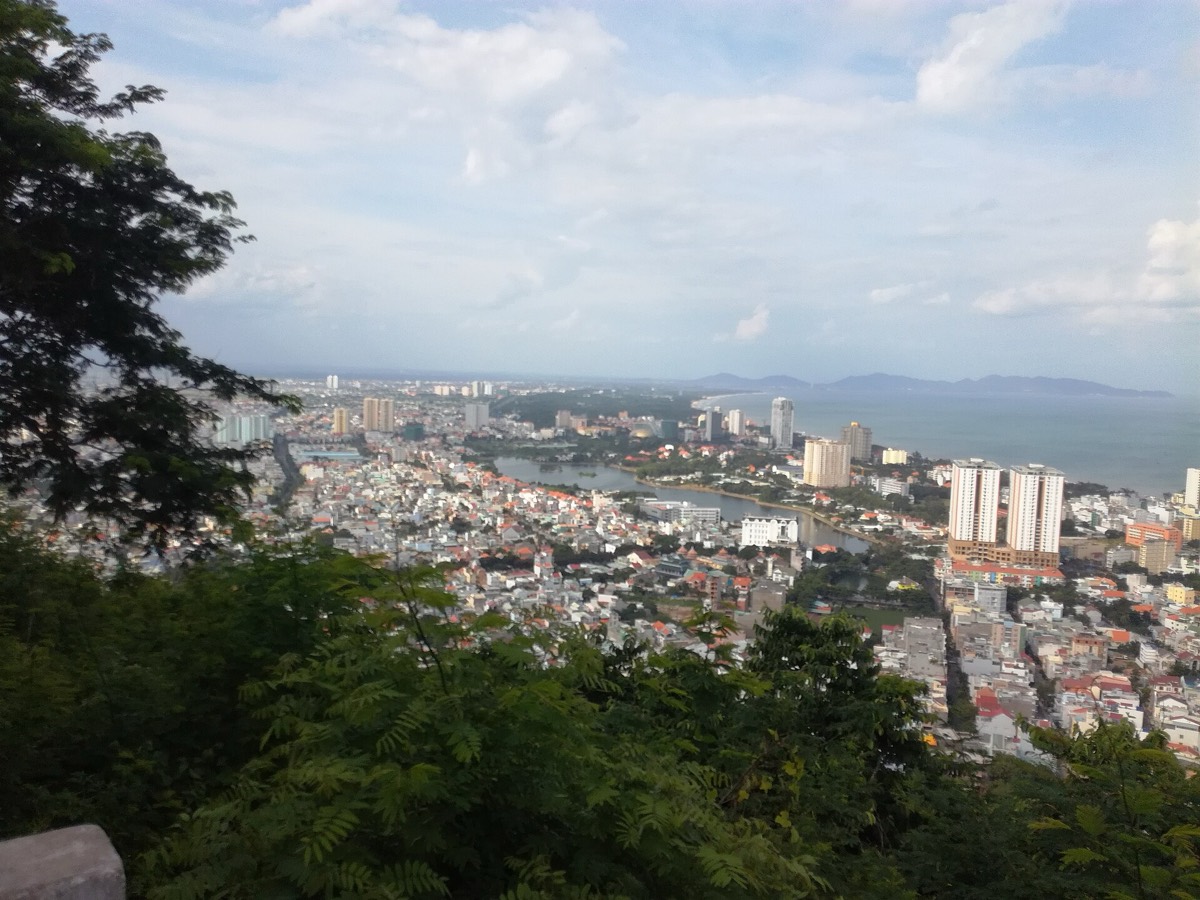
The town sits on a small peninsula with two hills. On the smaller one, the Christ statue stands with outstretched arms, reached by a long stairway of around 800 steps. From the top, the views over the coastline and the town are worth every step. On the larger hill stands an old lighthouse, with panoramic views of the sea and the busy shipping lanes.
Below, the Back Beach stretches long and wide, and the Front Beach is lined with cafés and fishing boats. Evenings are for banh khot, crispy little rice pancakes topped with shrimp, eaten with herbs and fish sauce.
The story
For centuries Vung Tau was a landing point for ships entering the river to Saigon, and a fishing community. In the colonial era the French developed it as a seaside resort called Cap Saint-Jacques, building villas that still dot the hills.
The Christ statue on Small Mountain was begun in the 1970s and finished in the 1990s. At more than thirty metres high, it is one of the largest of its kind in Asia, and visitors can climb up inside to the shoulders, if the access is open.
The Whale Temple, Lang Ca Ong, honours the whale as a protector of fishermen. Fishing communities along the coast of Vietnam traditionally buried whales that washed ashore and worshipped them, and the temple keeps the bones of a large whale.
Hon Ba, a small islet off the coast, has a temple dedicated to a sea goddess. At low tide, a natural path of rocks emerges, and you can walk across, making the visit an adventure timed by the tides.

Getting there
High-speed boats run from Saigon’s Bach Dang pier to Vung Tau in about two hours, depending on the service. By road, buses and limousine vans take about two to two and a half hours using the expressway. A car or motorbike is useful for exploring the peninsula.
A suggested plan
- MorningTravel to Vung Tau by boat or road.
- Late morningClimb the stairs to the Christ statue; go early for cooler weather.
- LunchSeafood or banh khot near the Front Beach.
- AfternoonVisit the lighthouse and the Whale Temple; walk to Hon Ba at low tide.
- EveningSunset at the beach and seafood dinner; stay overnight or return to Saigon.
Where to stay
Hotels range from simple guesthouses near the Back Beach to resorts along the coast. Weekends are busy with city visitors, so weekdays are quieter and cheaper.
Good to know
- Check tide tables before planning to walk to Hon Ba.
- The stairs to the Christ statue are steep; wear good shoes and bring water.
- Dress modestly to enter the statue and temples.
- Try banh khot and fresh seafood, the local specialities.
- Swimming can be dangerous with strong currents in some seasons; obey warning flags.
- Agree on seafood prices by weight before cooking.
- Weekends can be very crowded; book transport early.