Iced coffee and alley cafés: Saigon’s coffee culture
Slow-drip robusta over ice, low stools facing the street, old men with songbirds and hidden cafés up the stairs of crumbling apartment blocks.

- Area
- Food & nights
- Start from
- District 1 / District 3
- Distance
- walking distance, about 3 km
- Time needed
- half a day
- Best season
- All year; mornings are the real coffee hours
- Difficulty
- Easy
- Transport
- On foot and short Grab rides
- Tickets & rules
- None
Why go
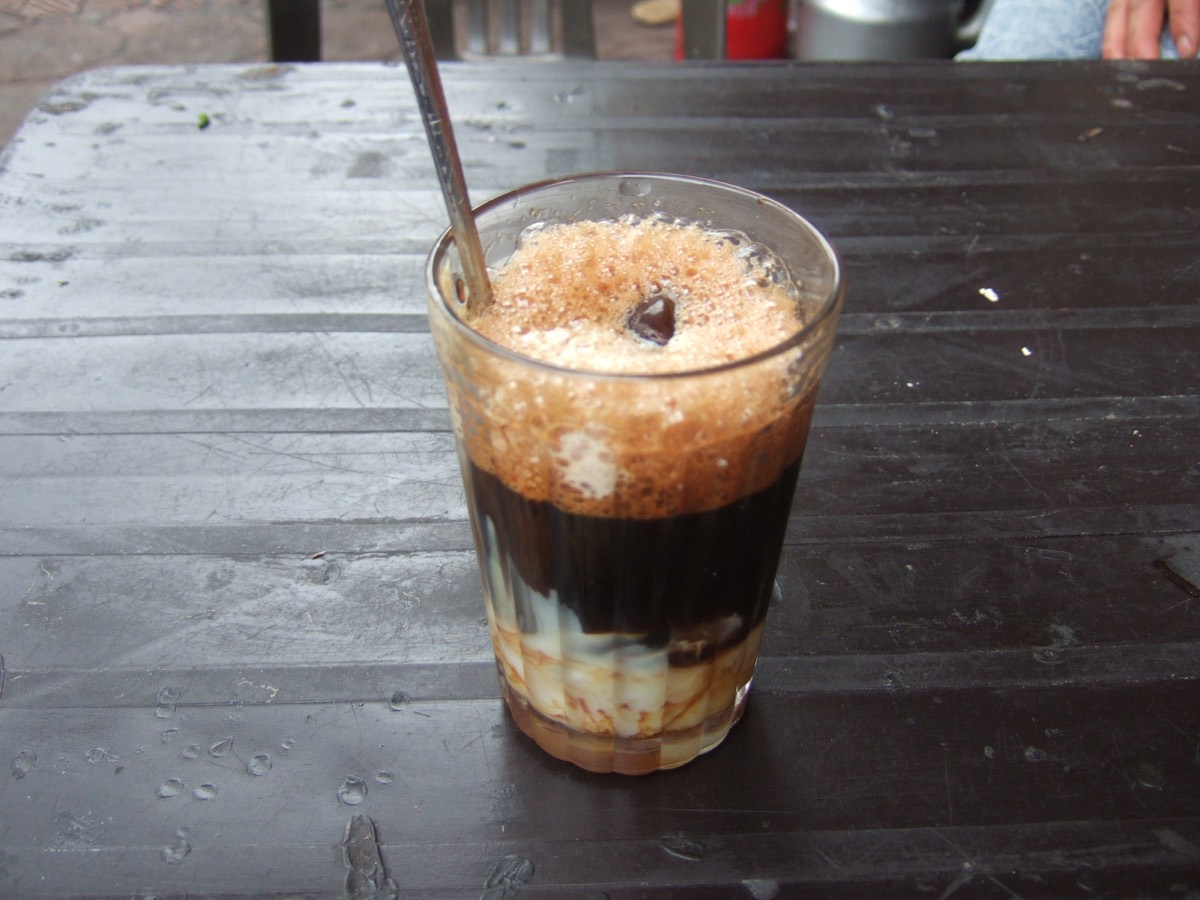
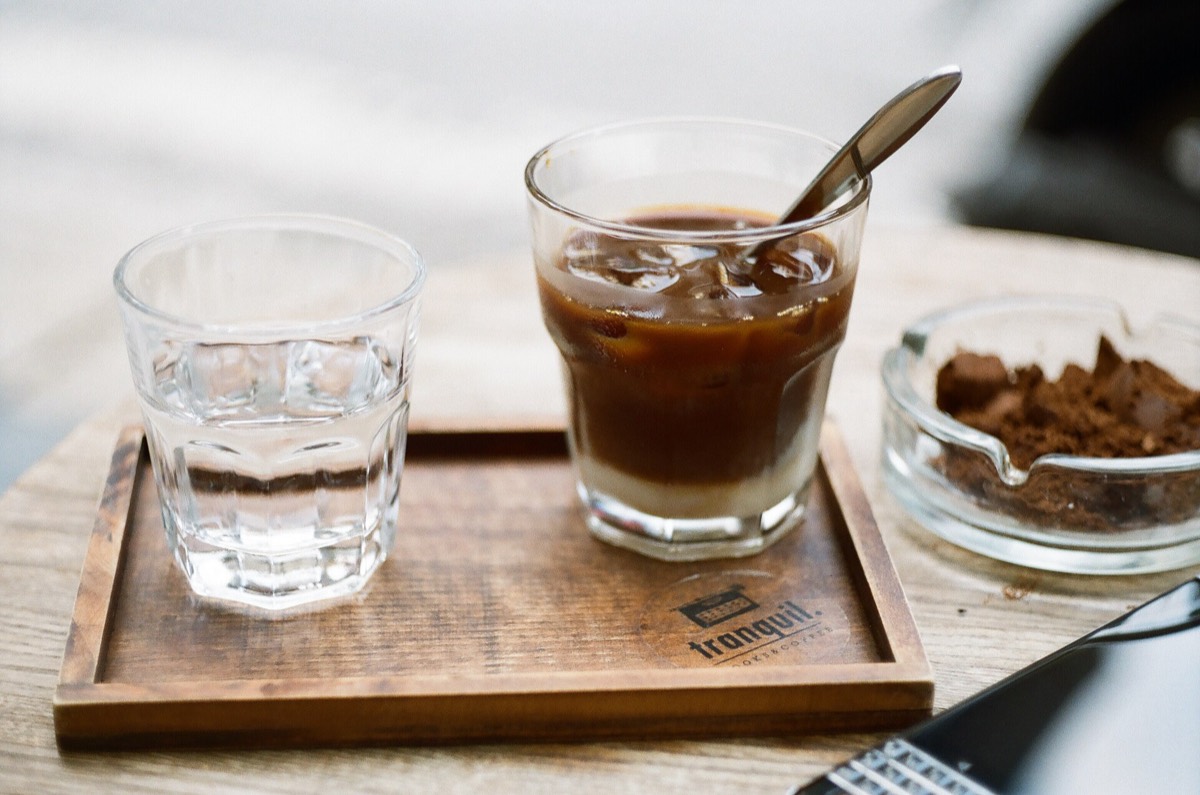
Saigon runs on coffee. Not the quick takeaway kind, but long, unhurried sessions on tiny chairs facing the street, where a single glass of cà phê sữa đá, strong dark coffee over sweet condensed milk and ice, can last an hour. The ritual is the point: the metal phin filter dripping slowly, the free pot of weak iced tea that comes alongside, the conversation, the watching.
This route is a slow crawl through the different worlds of Saigon coffee. A pavement stall at dawn where workers drink before their shifts. An old-style café where coffee is still brewed through a cloth sock. A hidden café on the third floor of a sixties apartment block, with a balcony over the boulevard. A modern roastery serving egg coffee, coconut coffee or salt coffee, the newer inventions everyone is trying.
You will drink too much coffee. That is part of the experience.
The story
Coffee came to Vietnam with French missionaries and planters in the nineteenth century, and plantations spread across the Central Highlands in the twentieth. Vietnam is now one of the largest coffee producers in the world, and most of what it grows is robusta, a bitter, strong bean that suits the sweet, milky southern style perfectly.
Condensed milk became part of the recipe partly out of necessity: fresh milk was scarce and spoiled quickly in the heat, while tinned condensed milk kept for months. The combination stuck, and today it defines the taste of Vietnamese coffee for many visitors.
The old cloth-filter method, cà phê vợt, is now rare. A few long-running cafés in the city still make coffee this way, pouring boiling water through a cotton sock filled with grounds, and their regulars have been coming for decades. Some of them bring their songbirds in cages to hang from the trees while they drink.
The apartment-block cafés are a newer story. As old buildings from the 1960s emptied out, young entrepreneurs filled them with cafés, boutiques and studios, turning stairwells into galleries and balconies into the most coveted seats in town.

Getting there
Begin in District 3 or around Ben Thanh, where traditional cafés are common, then move to District 1 for the apartment-block cafés on Nguyen Hue and Ton That Dam. Everything is within a few kilometres; walk or take short Grab rides.
A suggested plan
- 6:30A pavement coffee among workers and retirees; sit on a low stool and watch the street wake.
- 8:00Find an old-style café in District 3, ideally one still using cloth filters.
- 10:00Climb up to a café in an old apartment block, with a balcony view.
- AfternoonTry a modern café: coconut coffee, egg coffee or salt coffee.
- EveningSwitch to fresh juice or tea to give your heart a rest.
Where to stay
District 1 and 3 have the highest density of cafés of every type; any hotel there makes this route easy.
Good to know
- Order cà phê sữa đá for iced coffee with condensed milk, cà phê đen đá for black iced coffee.
- Ask for ít đường for less sugar.
- The free iced tea is unlimited; just ask for more.
- Most traditional cafés open very early and close by mid-afternoon.
- Vietnamese robusta is very strong; don’t underestimate it, especially in the evening.
- Cafés on popular boulevards may charge much more; check menus.
- Watch your phone on pavement tables close to the road.