Olango Island: migratory birds and mangrove flats
A short boat ride from the resorts, a flat, quiet island where tens of thousands of shorebirds rest on their long journey between Siberia and Australia.

- Area
- Mactan & Olango
- Start from
- Mactan
- Distance
- about 5 km by boat plus local tricycle
- Time needed
- 1 day
- Best season
- Best September – March for migratory birds
- Difficulty
- Easy
- Transport
- Public boat from Mactan, then tricycle
- Tickets & rules
- Small sanctuary entrance fee
Why go
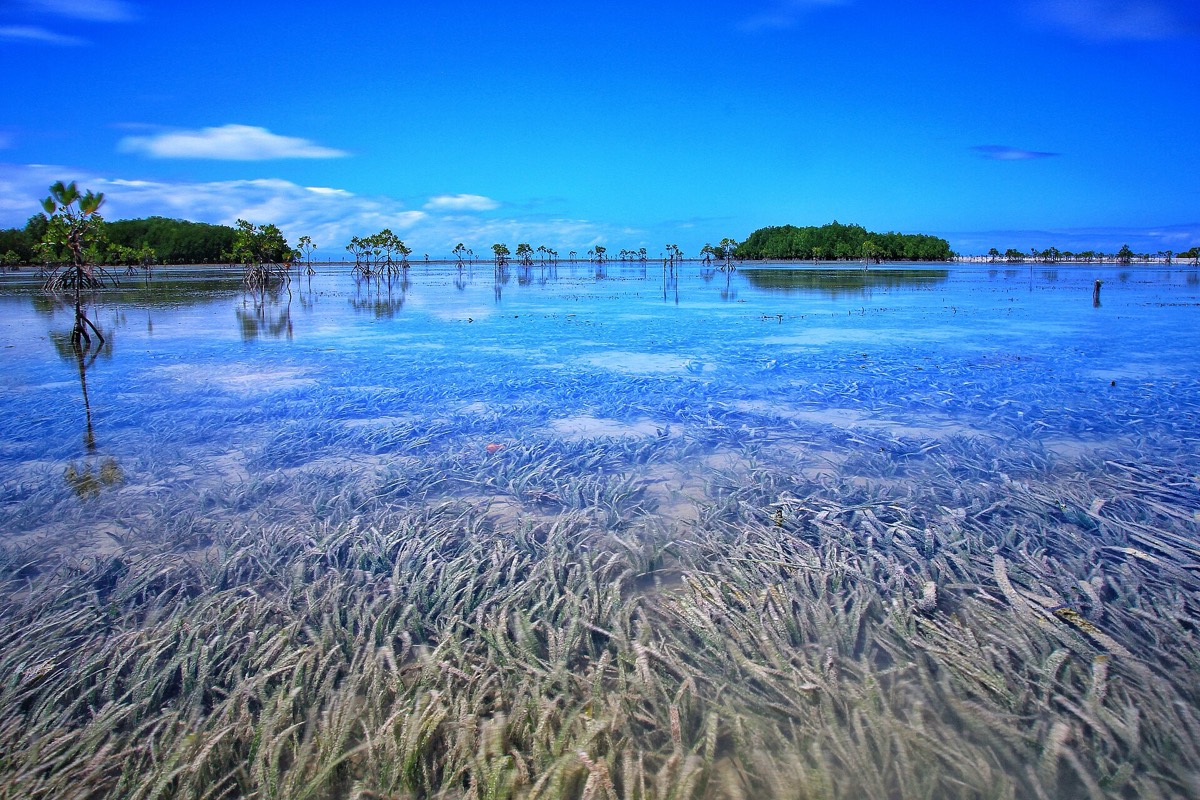
Olango is only twenty minutes by boat from Mactan, but it feels like another world: no big resorts, simple houses, goats on the roads and a slow island pace. Its southern tip is a wide expanse of tidal flats, seagrass and mangroves, protected as the Olango Island Wildlife Sanctuary.
From roughly September to March, this is one of the most important stopovers in the Philippines for migratory shorebirds. Plovers, sandpipers, godwits, egrets and herons spread across the flats at low tide, feeding in their thousands, and lift off together in flashing silver clouds when the tide comes in.
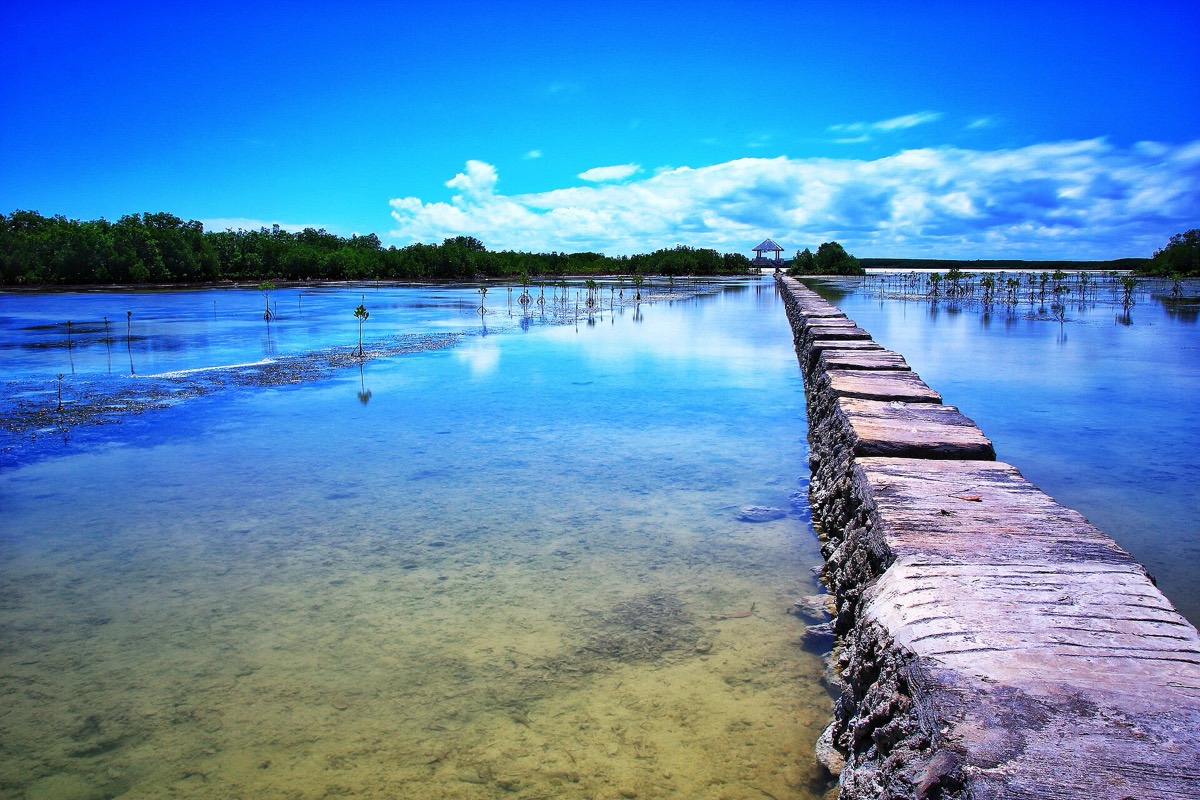
I like coming here with binoculars, a hat and lots of water, walking the boardwalk to the observation hut and spending an hour simply watching. Even if you don’t know one bird from another, the sound and movement of so many wings is beautiful and calm.
The story
The Olango sanctuary was established in 1992 and covers around 900 hectares of tidal flats and mangroves. In 1994 it became the first site in the Philippines listed under the Ramsar Convention on wetlands of international importance, recognising its role on the East Asian–Australasian Flyway, one of the world’s great migration routes.
Birds that breed in Siberia, northern China and Alaska fly south to winter in Southeast Asia and Australia, and must stop to rest and feed on the way. Olango’s rich flats give them that chance. Among the visitors are rare species such as the Chinese egret and the Asiatic dowitcher, which birdwatchers travel far to see.
The island has a long fishing tradition, and many families still gather shellfish and seaweed on the reef flat. Conservation here has meant working with local people, through mangrove planting and community tourism, rather than closing the area off.
There is also a famous water problem on Olango: the island has little fresh water of its own, and for years many households have depended on rainwater or water brought by boat from Mactan. Seeing the dry, flat interior helps explain why.

Getting there
Public boats leave from the port at Angasil in Mactan for Santa Rosa on Olango, taking about 20–30 minutes; departures are frequent in daytime. Alternatively, many island-hopping operators can include Olango.
From Santa Rosa port, a tricycle can take you to the sanctuary entrance; agree the fare and a pickup time.
A suggested plan
- 7:00Early boat from Mactan to Olango.
- 8:00Tricycle to the sanctuary; check the tide times beforehand.
- 8:30Walk the boardwalk and sit at the observation area through the falling tide.
- 11:30Simple lunch near the port; try grilled fish and puso.
- 14:00Boat back to Mactan, or continue island hopping.
Where to stay
Stay on Mactan, where there are resorts and guesthouses close to the boat ports. A few homestays on Olango offer a quieter night, but facilities are basic.
Good to know
- Check tide tables: the birds feed at low tide and gather closer when it rises.
- Bring binoculars; a long lens helps for photos.
- Wear a hat and sunscreen; there’s little shade on the flats.
- Bring enough water; supplies on the island are limited.
- Don’t walk on the mudflats near the birds; keep to the boardwalk.
- Boats may stop running in rough weather or during typhoon warnings.
- Ask locals before photographing their homes or people at work.