Chinatown: Petaling Street, temples and Kwai Chai Hong
The oldest part of KL in one walk: a Taoist shrine founded by the city’s first headman, a rainbow gopuram, a restored lane of murals and a market under canvas.

- Area
- Old KL
- Start from
- Central Kuala Lumpur
- Distance
- walking distance, about 3 km
- Time needed
- half a day
- Best season
- All year; morning for temples, evening for food
- Difficulty
- Easy
- Transport
- LRT Pasar Seni or MRT Merdeka station
- Tickets & rules
- None; dress modestly in temples and remove shoes in the Hindu temple
Why go
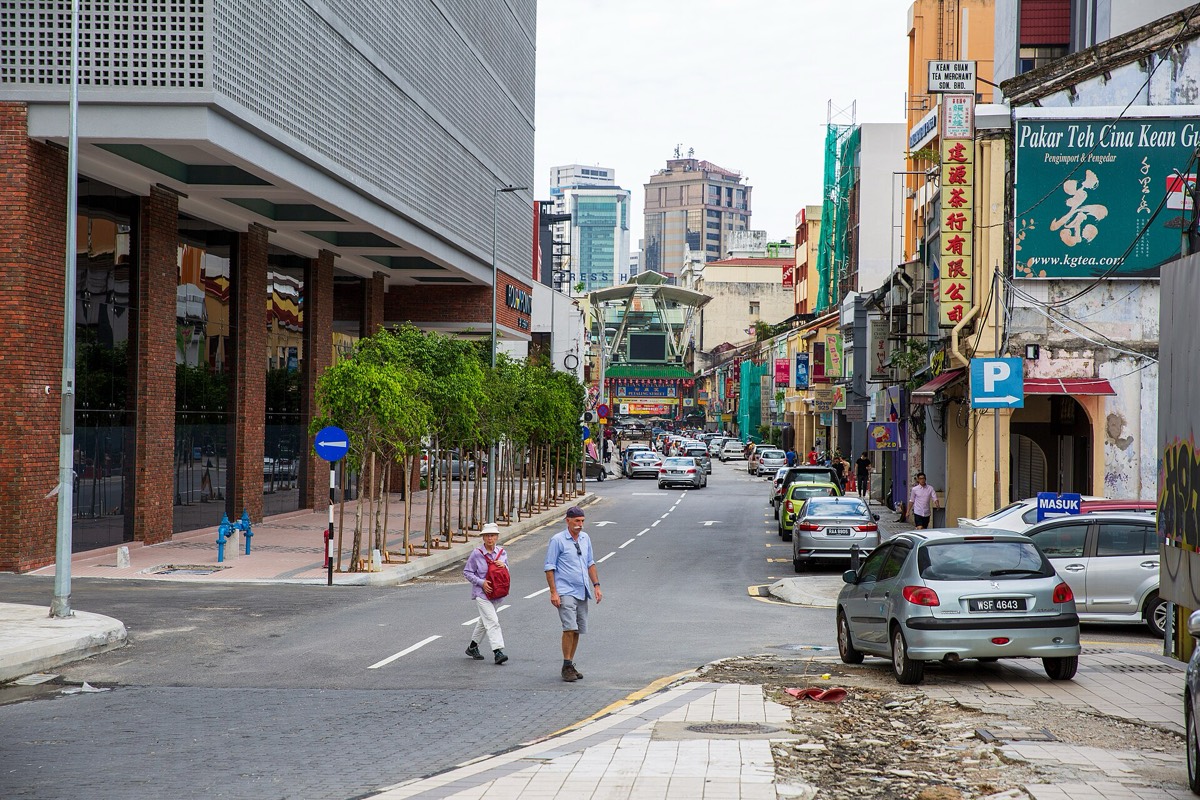
Chinatown is where Kuala Lumpur still feels like a trading town. The streets are lined with two-storey shophouses with shaded five-foot ways, some crumbling, some lovingly restored into cafés, and the air smells of roasting coffee, incense and frying garlic. Petaling Street itself, under its green canopy, is a market of knock-off watches and phone cases these days, but step a few metres off it and the real neighbourhood begins.
Within ten minutes’ walk you can visit three of the oldest places of worship in the city, of three different faiths and traditions, standing almost back to back: the Taoist Sin Sze Si Ya temple, the Hindu Sri Mahamariamman temple and the Guan Di temple. It’s the best illustration of how KL has always worked.
Then there is the food. Chinatown’s morning stalls serve yong tau foo, curry noodles and claypot rice, and by evening the old coffee shops fill with people eating beef noodles, roast duck and sweet soups. Come hungry and come twice.
The story
The city’s founding legend lives here. In 1857 a group of Chinese miners paddled up the Klang River to search for tin at Ampang, and the trading post they set up at the muddy river mouth, ‘kuala lumpur’, became a frontier town of gambling houses and secret societies. Its most famous leader was Yap Ah Loy, the Kapitan Cina, who rebuilt the town after war, fire and flood, and in 1864 founded the Sin Sze Si Ya temple, now the oldest Taoist temple in Kuala Lumpur. It is tucked behind a narrow alley, and many visitors walk right past.
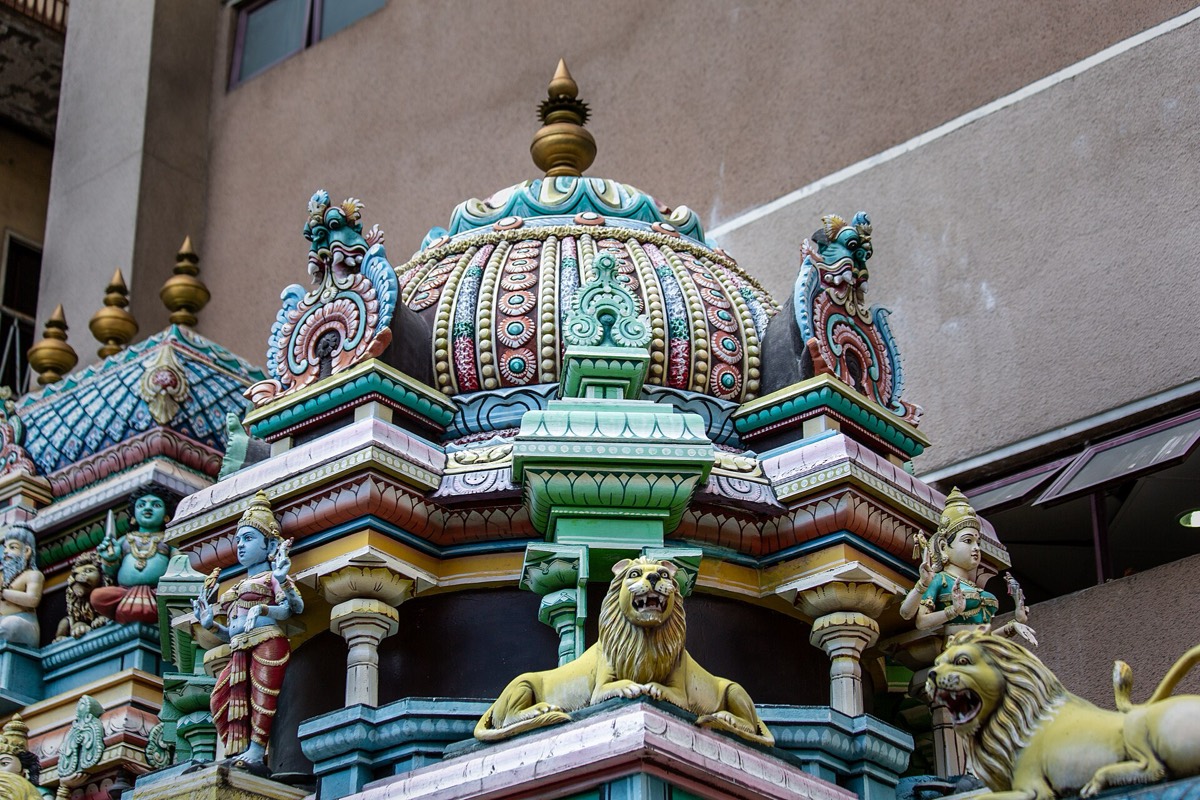
The Sri Mahamariamman temple was founded in 1873 by a Tamil family from southern India and is the oldest functioning Hindu temple in the city. Its gopuram, the tower over the entrance, is covered with hundreds of painted deities. Each year before Thaipusam, a silver chariot leaves from here in the night carrying the statue of Lord Murugan to Batu Caves.
Kwai Chai Hong, a back lane behind Jalan Petaling, was restored in 2019 with murals of everyday life in the 1960s: a barber, children playing, a woman looking from a window. The name means ‘Little Ghost Lane’, perhaps for the mischievous children who once played there, or for the shady business of the old days.
Nearby Central Market, Pasar Seni, began as a wet market in 1888; its pale blue art deco building dates from the 1930s and now houses craft stalls and batik workshops.

Getting there
Take the LRT to Pasar Seni station, or the MRT to Merdeka station, both right at the edge of Chinatown. From Merdeka Square it’s an easy 10-minute walk south.
A suggested plan
- 8:00Breakfast of noodles or dim sum at an old coffee shop near Petaling Street.
- 9:00Visit the Sin Sze Si Ya temple, then the Guan Di and Sri Mahamariamman temples along Jalan Tun H.S. Lee.
- 10:30Find Kwai Chai Hong and the side lanes; look for street art and old shop signs.
- 11:30Cool down in Central Market among the batik and craft stalls.
- EveningReturn for dinner when the market lights up and the stalls are at their busiest.
Where to stay
Chinatown is one of the best places to stay in KL: plenty of guesthouses and small hotels in restored shophouses, two rail lines, and food at every hour.
Good to know
- Haggle gently in Petaling Street; first prices are often double.
- At the Hindu temple, remove your shoes at the stand outside; there’s usually a small fee to leave them.
- The Sin Sze Si Ya temple is hidden behind a narrow passage off Jalan Tun H.S. Lee, near the river.
- Many old coffee shops close in the afternoon and reopen later; mornings are best for breakfast.
- Counterfeit goods are everywhere; buying them can be a problem on customs at home.
- Watch your bag in crowded market lanes in the evening.