The forest trails of Kinabalu Park
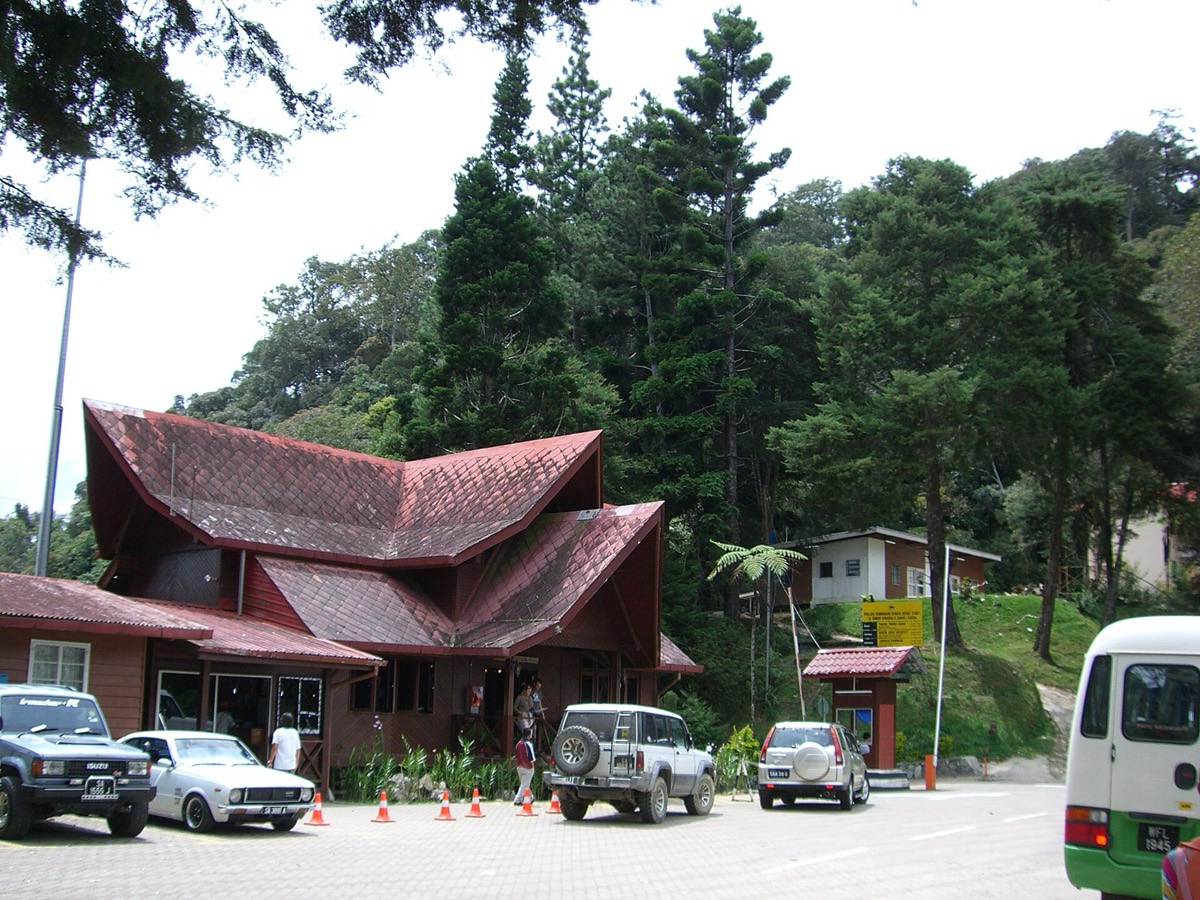
You don't need to climb the mountain to feel its magic: the trails around park headquarters wind through mossy montane forest full of orchids, pitcher plants and birdsong.

- Area
- Kinabalu highlands
- Start from
- Kinabalu Park headquarters
- Distance
- 2–6 km of trails
- Time needed
- 1 day
- Best season
- All year; mornings are clearest
- Difficulty
- Moderate
- Transport
- Bus or car from KK
- Tickets & rules
- Park entry fee; guided botanical garden walks have set times
Why go
At around 1,560 metres, Kinabalu Park headquarters is cool, misty and green, a relief after the heat of the coast. A network of short trails leads off from the roads around HQ: the Liwagu trail along the river, the Silau-Silau trail through the forest, the Kiau View trail. They are well marked, with stairs and roots, and you can link several in a day.
This is some of the richest forest on earth. Kinabalu has a staggering number of plant species, including many orchids, rhododendrons, oaks and pitcher plants, and you'll see a lot of it right beside the path. The birds are the other highlight: mountain blackeyes, Bornean whistlers, laughing thrushes moving through the canopy in noisy flocks.
Start with the guided walk in the small botanical garden near HQ, held at set times each day, to learn what you're looking at. Then walk until the afternoon cloud comes down and the forest turns ghostly.
The story
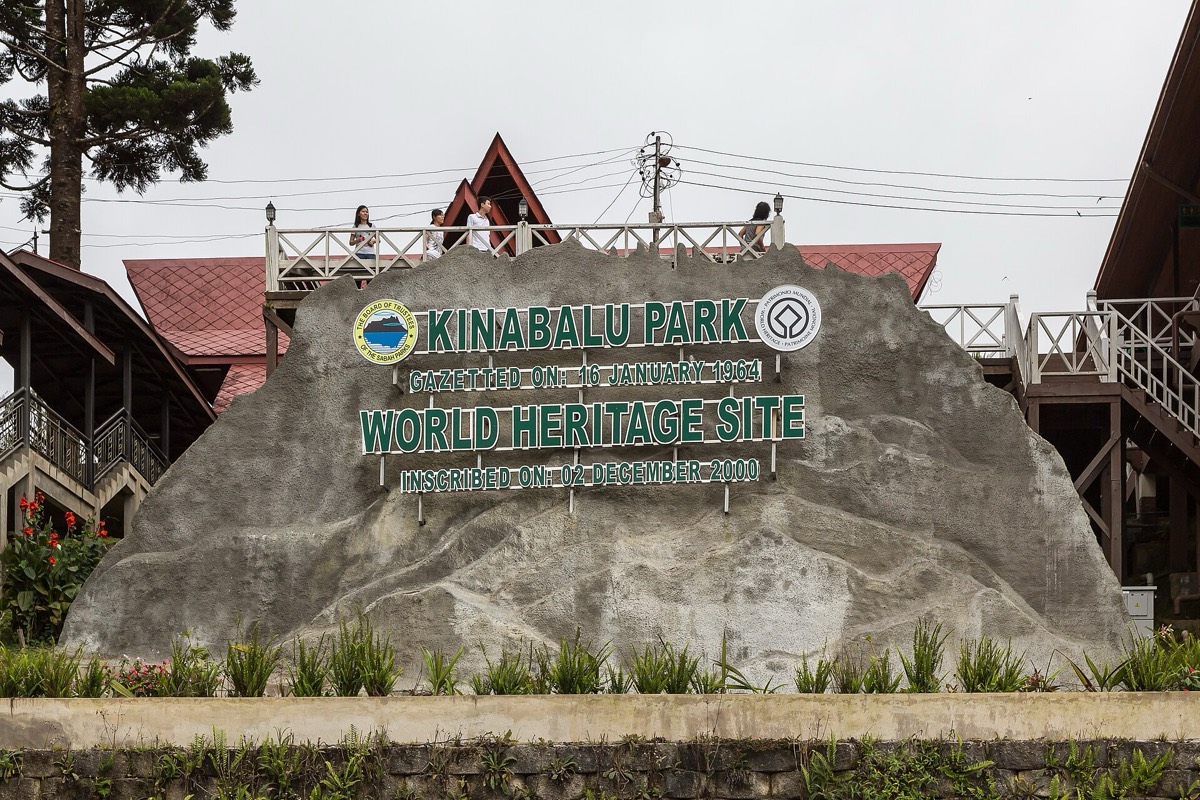
Kinabalu Park was established in 1964, one of the first national parks in Malaysia, and became Malaysia's first UNESCO World Heritage Site in 2000. The reason is its biodiversity: botanists estimate over five thousand plant species in the park, from lowland rainforest to alpine scrub, many found nowhere else.
The mountain is home to many pitcher plants, including Nepenthes rajah, the largest pitcher plant in the world, whose pitchers can hold litres of liquid. It was described in the nineteenth century from Kinabalu and named after the Brooke Rajahs of Sarawak. There are even reports of small mammals and drowned rats found inside them, though mostly they catch insects.
Kinabalu's slopes also hold strange relationships: some pitcher plants have evolved to serve as toilets for tree shrews, which lick nectar from the lid and leave their droppings in the pitcher as fertiliser. Scientists working here in the 2000s were the first to describe it, and it still delights anyone who hears it.

Getting there
Kinabalu Park HQ is about two hours from KK on the main road to Ranau. Buses towards Ranau and Sandakan can drop you at the park gate; arrange a ride back or flag a bus on the main road.
From HQ, the trailheads are along the paved roads inside the park, within a short walk.
A suggested plan
- 8:00 amArrive early while the mountain is visible from HQ.
- 9:00 amJoin the guided botanical garden walk.
- 10:00 amWalk the Liwagu trail down along the river, then link to the Silau-Silau trail.
- 12:30 pmLunch at the park restaurant.
- 2:00 pmA short loop to a viewpoint or a slow return walk as the mist rolls in.
Where to stay
There's accommodation inside the park run by the park concession, and many guesthouses and lodges along the road just outside and in Kundasang, a few kilometres away.
Good to know
- Bring a fleece; it can be chilly in the morning and evening.
- A rain jacket is essential almost every afternoon.
- Trail maps are available at park HQ.
- Keep an eye out for squirrels; Borneo has many species, some tiny.
- Leeches are common after rain; tuck trousers into socks.
- Roots and wet steps are slippery; take your time.